INSPET Projects in Energy Infrastructure and Critical Infrastructure
INSPET Projects – the story of a company built through strategic works and technical responsibility
INSPET has successfully carried out complex projects that reflect the evolution of energy infrastructure and modern utilities infrastructure in Romania. If we refer to recent years, we can observe a clear stage of consolidation, diversification, and strategic orientation toward complex energy infrastructure and critical infrastructure projects, adapted to the requirements of a continuously transforming market.
- Execution of the project “Development of intelligent gas distribution systems in Rășinari commune”, a record at the level of all communes in Sibiu County, Romania, in terms of financing value for such an energy infrastructure project: 28 km of underground natural gas pipeline networks and 1850+ connections.
- Extension of water supply and sewerage networks in Dragomirești, Mănești and Tătărani, Dâmbovița County (rehabilitation of 13+ km of water supply network, extension of the sewerage network by 100 km, construction of over 50 wastewater pumping stations).
- Design and execution of potable water adduction systems, the conventionally clean wastewater discharge network from STAP Chișcani and the raw water adduction from the intake to STAP Chișcani – UAT Brăila, a project that is itself part of the “Regional project for the development of water and wastewater infrastructure in Brăila County, Romania”.
These projects show the natural way in which the company has evolved alongside the needs of society: from strategic energy infrastructure to essential utilities infrastructure for communities.
Natural Gas Infrastructure – strategic projects for energy security. Main pipelines
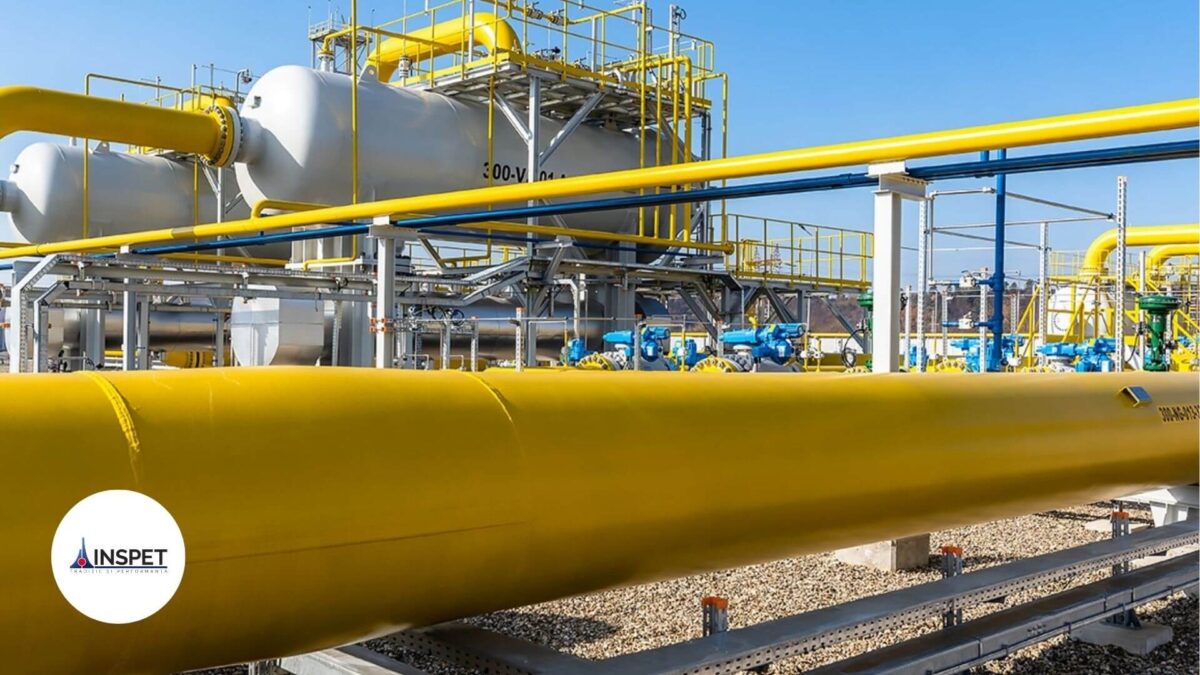
An essential part of INSPET’s activity is related to the critical infrastructure for the transport and processing of natural gas, a field in which operational continuity and technical safety are fundamental.
- The BRUA Natural Gas Transmission Pipeline Project. Execution of Lot 1 (km 0–180 km) as well as sections of Lot 2 of the pipeline within the project “Development on the Romanian territory of the Bulgaria–Romania–Hungary–Austria gas transmission corridor (BRUA)”.
- The BRUA Gas Compression Stations Project. Execution of the compression stations STC PODIȘOR, STC BIBEȘTI and STC JUPA within the project “Development on the Romanian territory of the Bulgaria–Romania–Hungary–Austria gas transmission corridor (BRUA)”.
- Design and execution of intelligent natural gas distribution infrastructure and the connection of households and public non-household consumers in the communes of Tomești, Cârța, Dănești, Mădăraș, as well as the extension and modernization of the existing network in Sândominic commune (in association with the administrative territorial units within ADI Felcsik-Ciucul de Sus). An integrated project financed through POIM: 85+ km of pipeline, 2 SRMP units and 4000 connections.
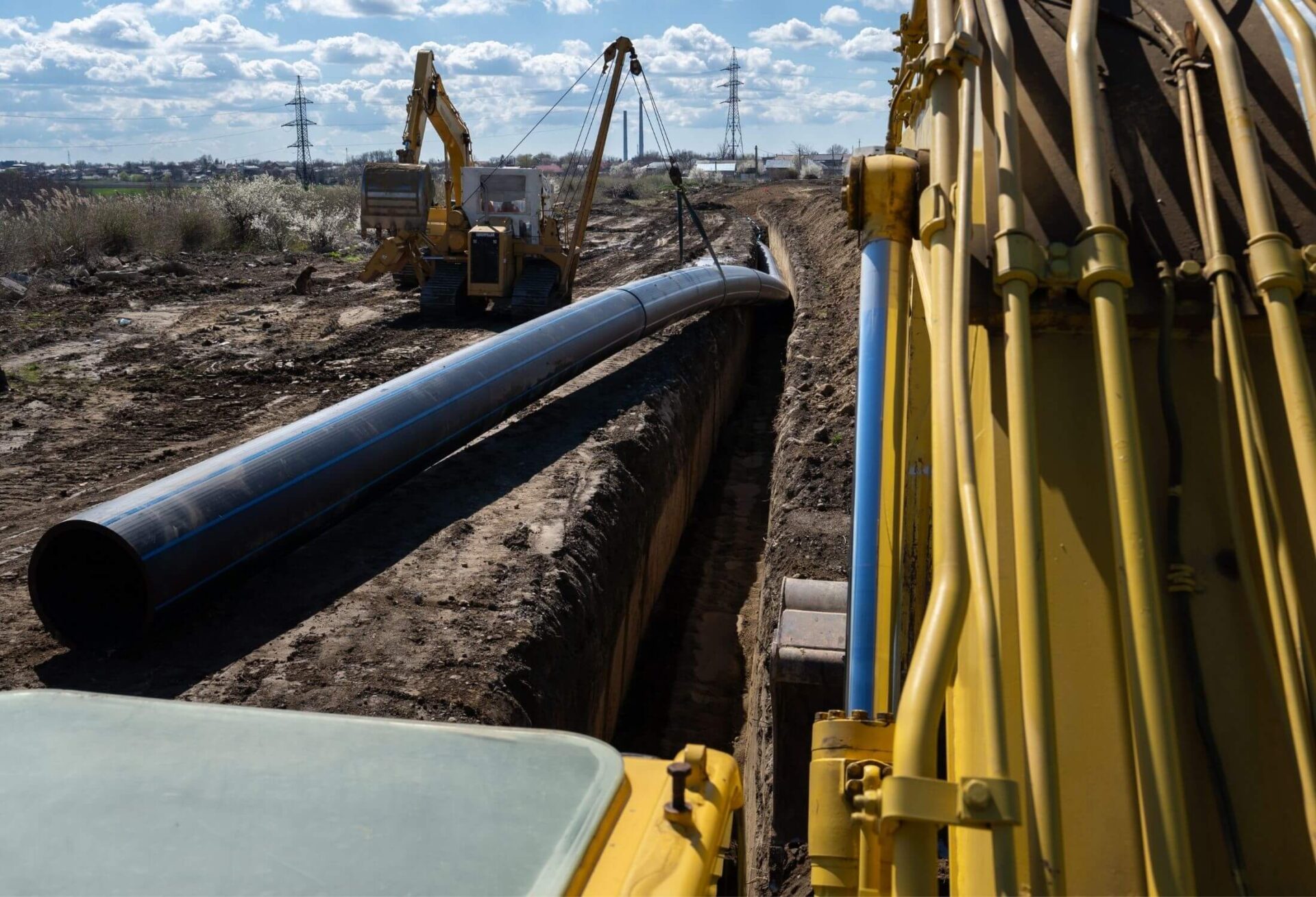
- The Jitaru–Ghercești natural gas main pipeline project, located in Dolj and Olt counties, is a project of national importance, aimed at expanding storage, injection, and extraction capacities of natural gas within the underground storage facility at Ghercești. The pipeline will have an approximate length of 90 km and will contribute to the modernization of energy infrastructure and to increasing the security of gas supply at regional and national level.
In the real life of the company, these projects do not only mean kilometers of pipelines, installations, or number of structures, but the responsibility of supporting the safe energy supply of communities and industry.

Natural Gas Compression Stations and Complex Technological Installations – operational critical infrastructure
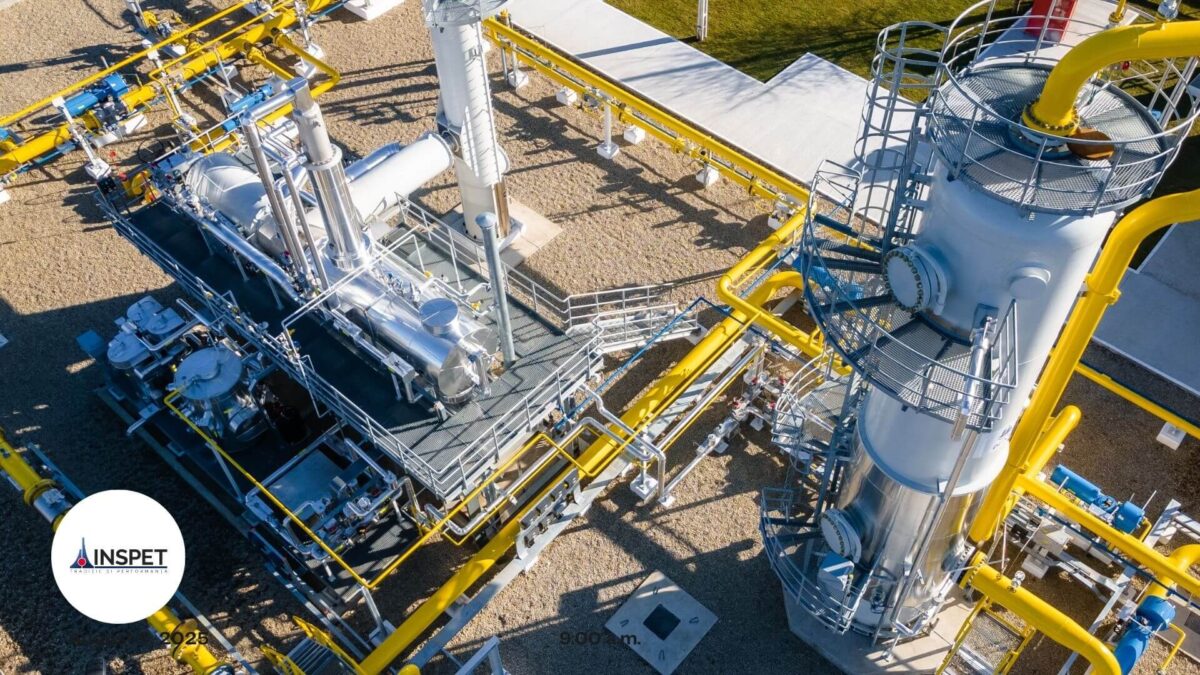
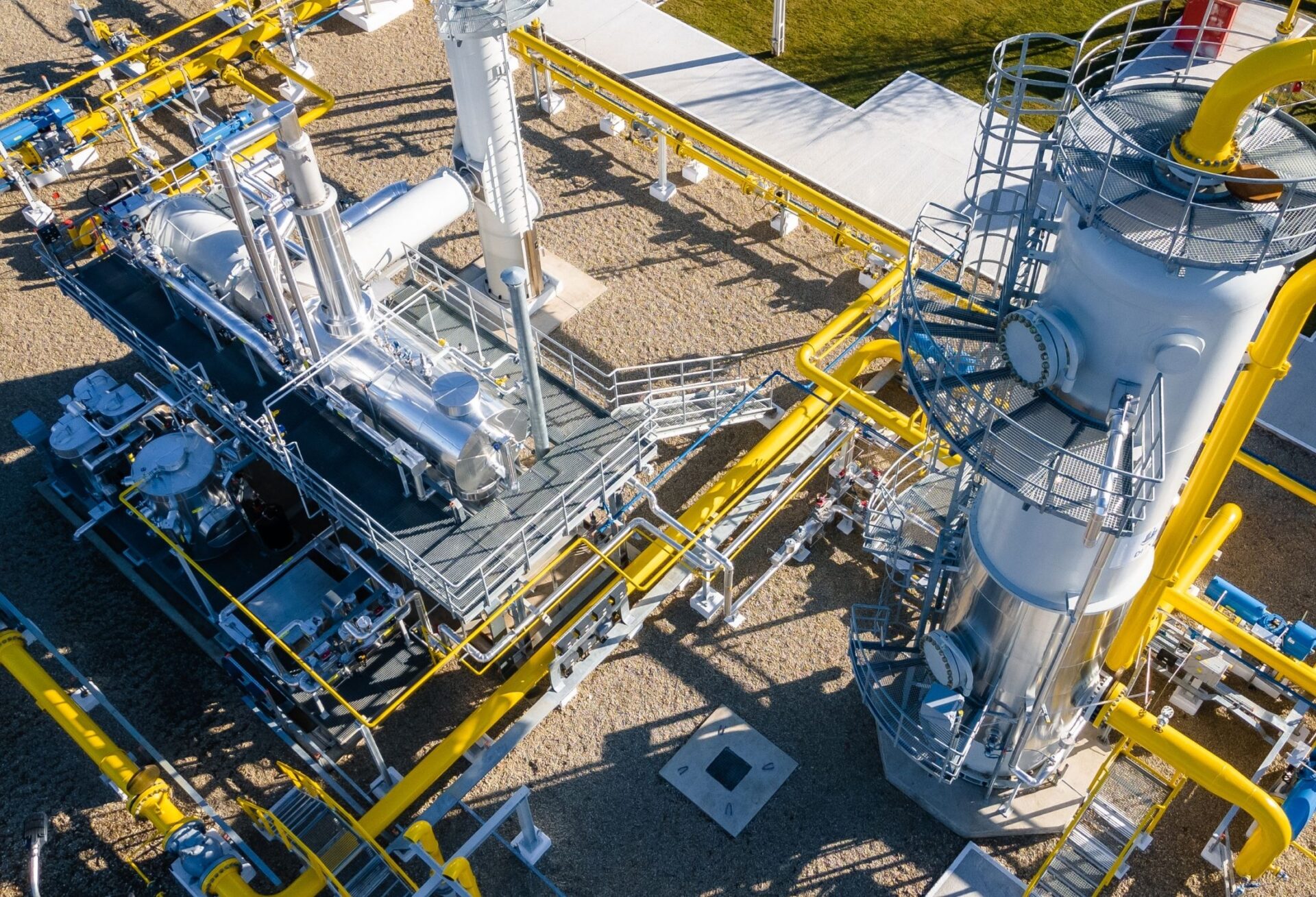
A defining chapter in INSPET’s activity is represented by highly complex technological projects in the natural gas sector.
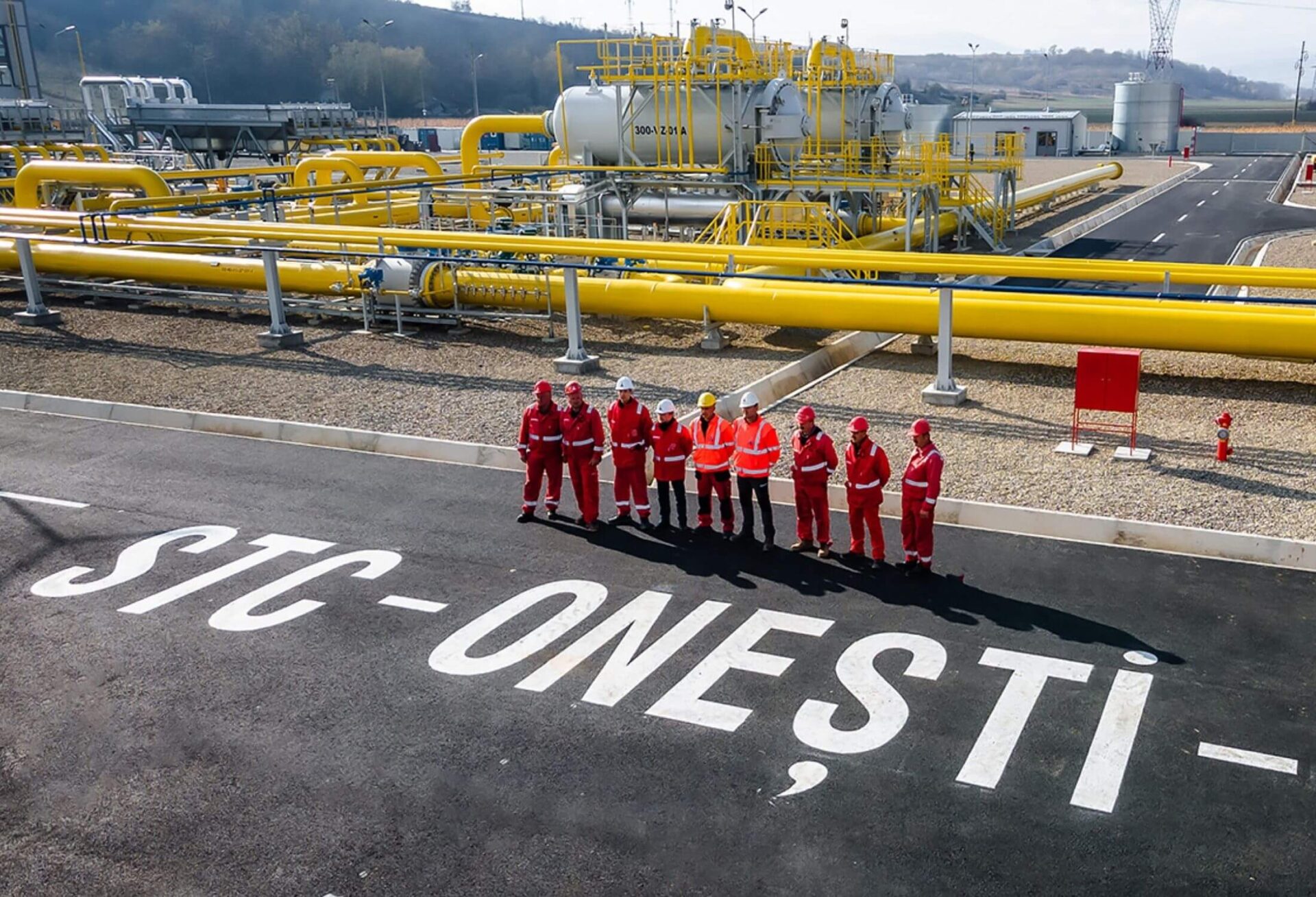
- Execution of the two Natural Gas Compression Stations in Onești and Gherăești, automation and pipeline security within the project “Developments of the National Transmission System in the North-East area of Romania in order to improve natural gas supply to the region and ensure transport capacities toward the Republic of Moldova”.
- Construction of the underground natural gas storage facility at Ghercești and modernization of the technological installations of the underground natural gas storage facility at Bilciurești.
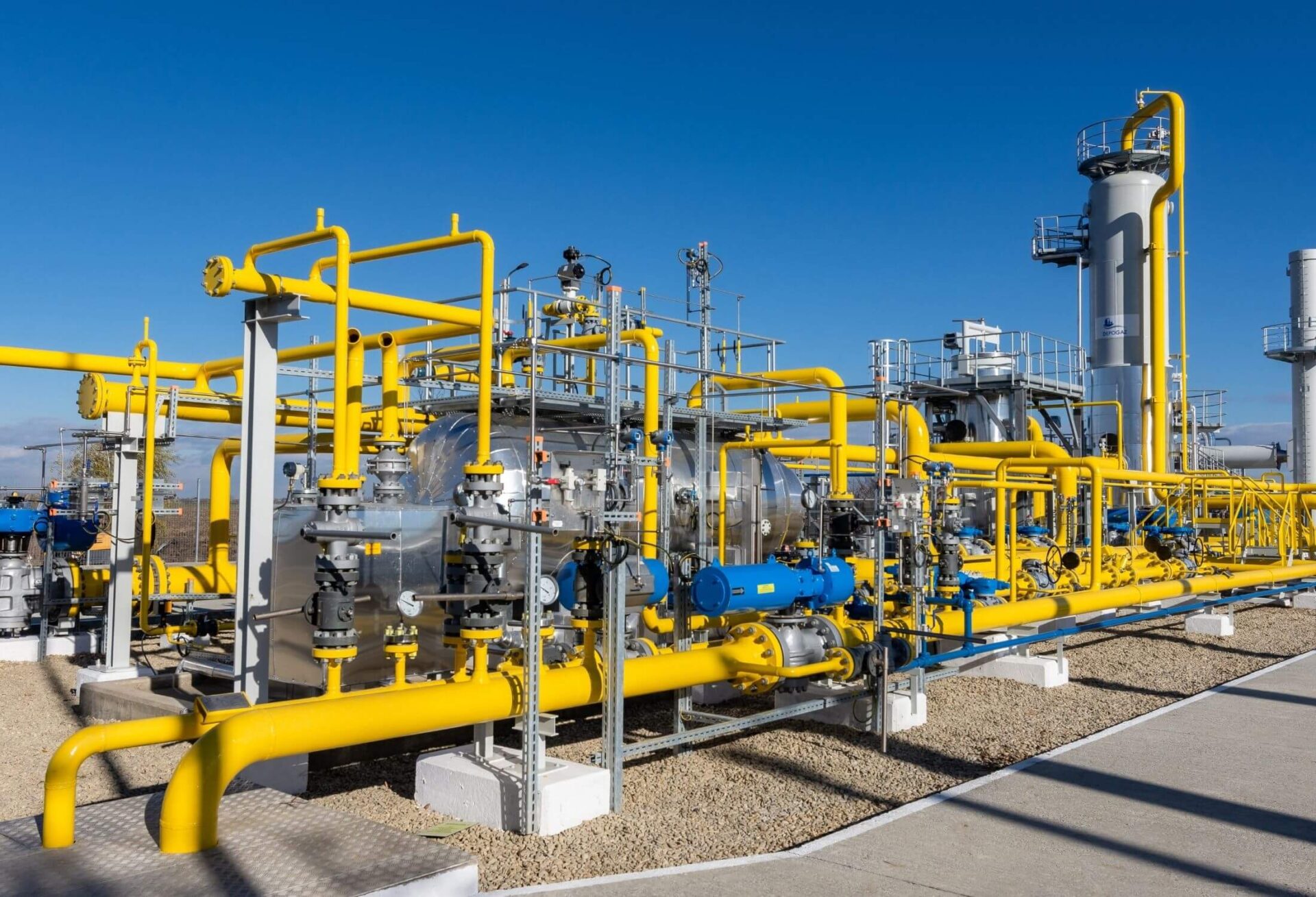
- Systematization of gas suction/discharge manifolds for the Butimanu – Bilciurești compression station – interconnection manifold in the Butimanu compression station, a project carried out under the supervision of SNGN ROMGAZ S.A. – Natural Gas Storage Branch DEPOGAZ Ploiești, a leading company holding approximately 90% of Romania’s total active gas storage capacity. The implementation of this work ensures the increase of daily extraction and injection capacity in the Bilciurești storage facility.
- Execution of the project “Surface technological installations at well 306 Nadeș, Mureș County”, beneficiary SNGN ROMGAZ S.A. Mediaș – a project carried out due to the need to exploit the gas resources identified through geological drilling, through the design of the well surface technological installation and its connection to an existing well group in the area.
- Execution of the project “Surface technological installations at wells 1 Herla and 1 Drăceni, Suceava County”, aimed at gas collection in a group located between the mentioned wells and its transport to a gas drying station where the quality conditions required by ANRE can be achieved.
- Execution of the majority of natural gas drying stations for gas extracted by SNGN Romgaz S.A. and the provision of maintenance and prompt intervention services for all these stations, starting with 2009.
These works reflect the real complexity of energy fluid infrastructure and the high level of technical specialization required for their execution.


True milestones – historical projects that shaped Romania’s energy infrastructure. Horizontal crossings of main pipelines
The history of INSPET naturally overlaps with the development of national energy infrastructure.
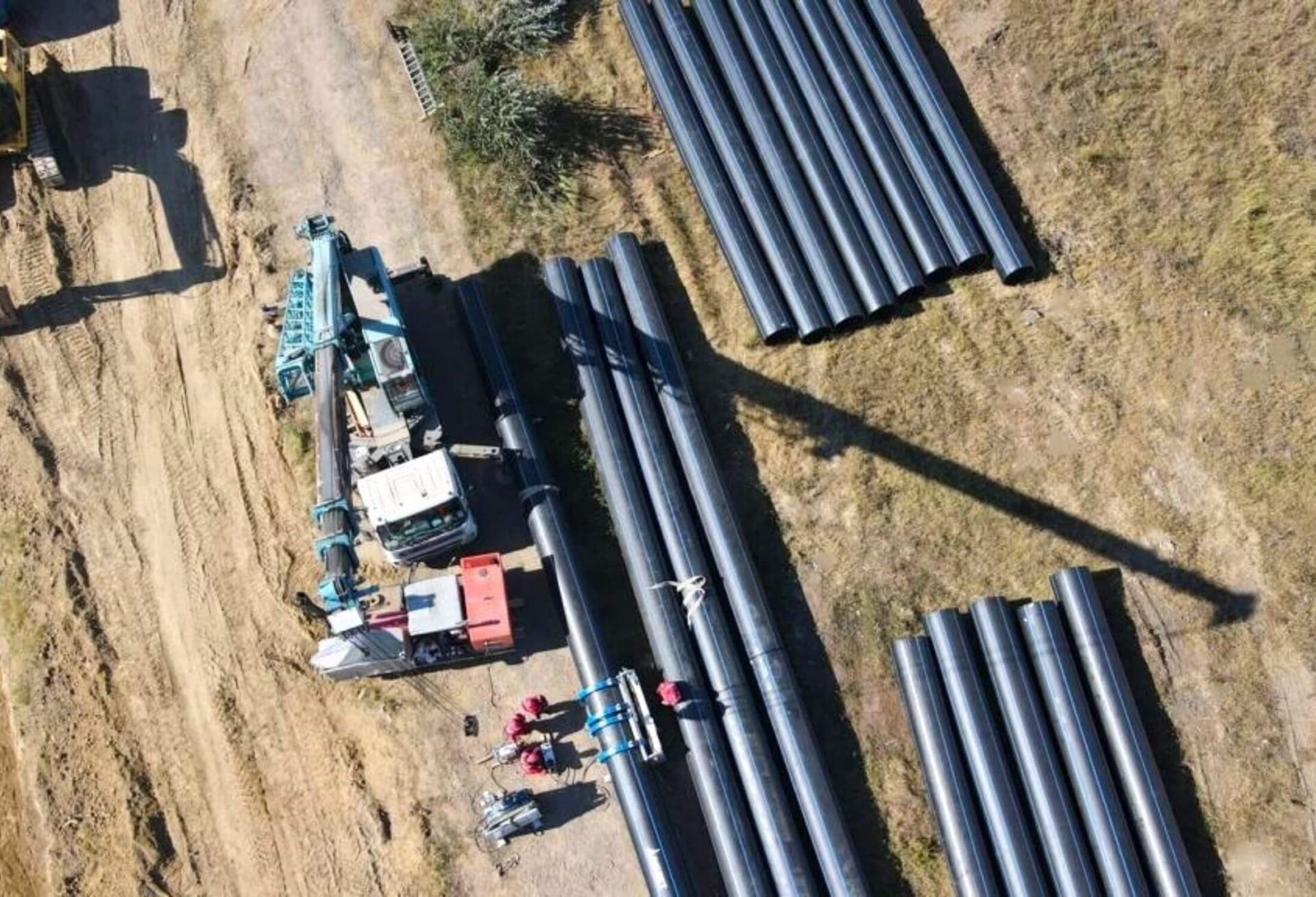
- The Isaccea–Negru Vodă gas pipeline with a diameter of 1200 mm for the transit of natural gas from Russia via Ukraine to Bulgaria, Turkey and Greece, a pipeline that crossed the entire Dobrogea region from north to south.
- The Romanian section of the interconnection between the Romanian and Hungarian natural gas transmission systems; the gas pipeline with a diameter of 700 mm from Arad – Nădlac – Szeged.
- The crossing of the Danube River with two gas pipelines with a diameter of 500 mm in the Giurgiu–Ruse area, part of the interconnection of the Romanian and Bulgarian natural gas transmission systems.
- The crossing of the Prut River and the sections of interconnection between the Romanian and Moldovan natural gas transmission systems; the gas pipeline from Iași to Ungheni.
Viewed as a whole, these projects highlight the role of Romanian engineering in connecting European energy systems.
Industrial Projects and Complex Energy Infrastructure
- The modernization and commissioning of the Petrotel Lukoil refinery in Ploiești, the modernization of underground water supply networks, and the construction of forced draft cooling towers represent another important milestone in the activity of INSPET.
- The rehabilitation and modernization of 24 crude oil pumping stations on transmission pipelines, within one of the largest projects in the national oil industry, financed by the World Bank.
- The execution of multiple pipelines for the transport of crude oil, gas and water mixtures for OMV Petrom and the construction of underground natural gas storage facilities at Ghercești and Bilciurești complete the company’s technical portfolio.
A story from the life of INSPET, written through real projects
Looking back, INSPET’s projects are not just technical benchmarks, but chapters in the life of a Romanian company that has grown alongside Romania’s energy infrastructure. Every pipeline, every compression station, every technological installation has meant people, responsibility, technical discipline, and trust built over time.
In a field where critical infrastructure supports the functioning of the economy, projects become the expression of professional maturity. For INSPET, this maturity translates into continuity, stability, and the capacity to deliver complex energy fluid infrastructure projects at high technical standards, both nationally and in the European context.