

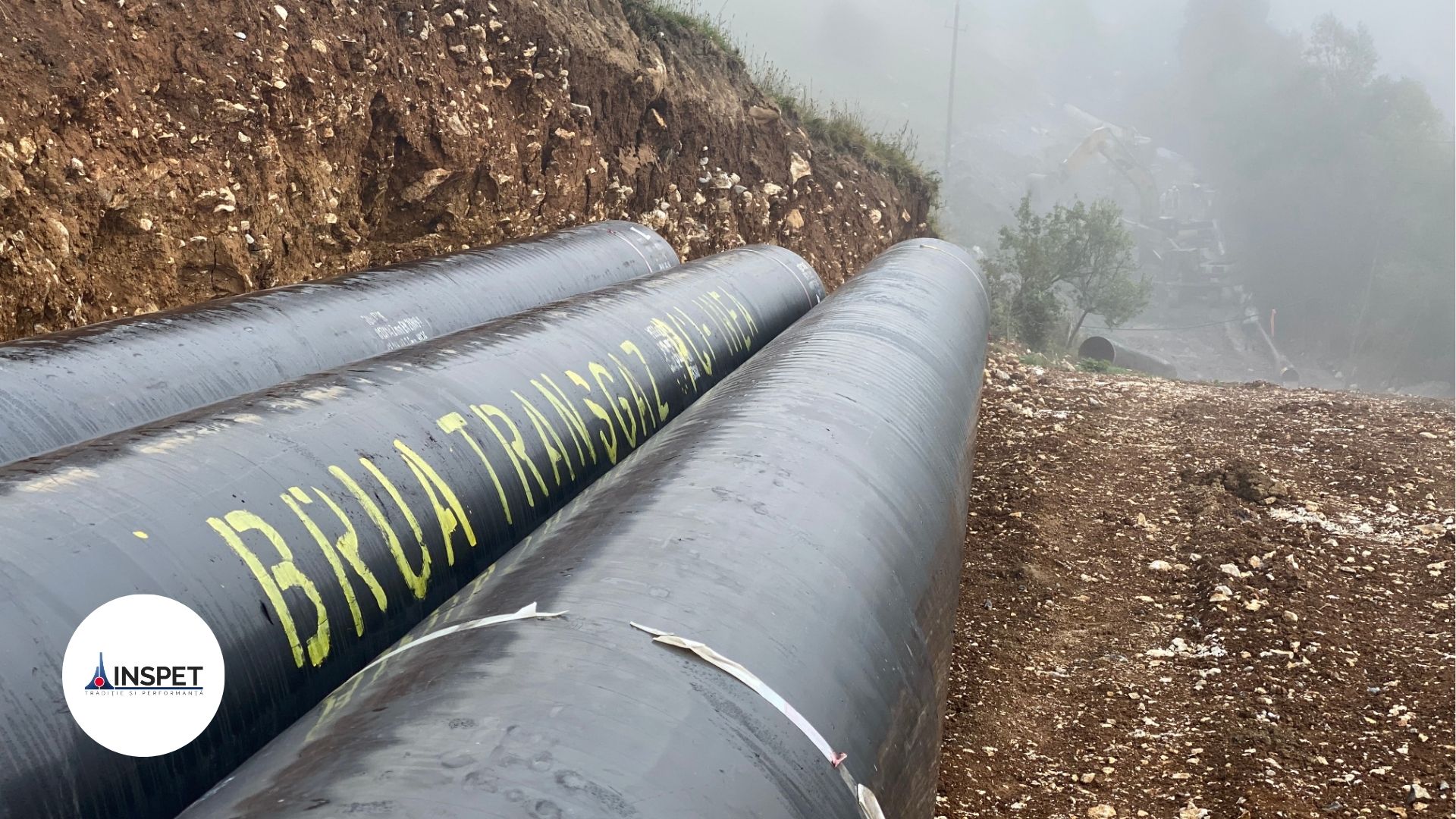
Over the past decades, the development of energy infrastructure has become one of Europe’s major priorities. The interconnection of natural gas transmission systems is essential for strengthening the region’s energy security and diversifying energy supply sources.
The European energy system relies on a complex network of infrastructure that includes high-capacity transmission pipelines, compressor stations, metering and regulating stations, and cross-border interconnections between countries. This infrastructure enables energy resources to be transported over long distances and connects the energy markets across the continent.
The development of this energy network is not only a technical or industrial investment. It also represents a key element for economic stability, the functioning of energy markets, and regional cooperation between European states.
Energy Infrastructure Projects in Europe
Natural gas transportation in Europe is carried out through a complex system of high-capacity pipelines that connect countries and regions. These main pipelines are supported by compressor stations that maintain the pressure required to transport gas over long distances.
The implementation of such projects requires a combination of technical expertise, project management capabilities, and industrial capacity. In general, energy infrastructure projects include several major stages:
- engineering and design, where pipeline routes and system technical parameters are defined
- procurement of equipment and materials, including pipelines, compressors, and technological equipment
- construction and installation of infrastructure, including mechanical assembly, welding, and technological installations
- testing and commissioning, ensuring the safety and performance of the system
These stages are coordinated by multidisciplinary teams composed of engineers, industrial construction specialists, and experts in energy project management.
BRUA – A Srategic Energy Infrastructure Project
One of the most important energy infrastructure projects developed in Central and South-Eastern Europe is the BRUA Corridor (Bulgaria – Romania – Hungary – Austria), a project connecting the energy systems of several European countries.
The BRUA pipeline is part of the European energy infrastructure and facilitates the transportation of natural gas between Central and South-Eastern European markets, reducing dependency on certain energy sources and contributing to the stability of the regional energy system.
The first phase of the BRUA project included the construction of approximately 479 km of natural gas transmission pipeline between Podișor and Recaș in Romania, along with several compressor stations necessary for the operation of the system.
These technological installations allow bidirectional natural gas transportation and contribute to increasing the transmission capacity between the energy systems of Romania, Bulgaria and Hungary.
Within this strategic project, three natural gas compressor stations were developed:
- Podișor Compressor Station (Giurgiu County)
- Bibești Compressor Station (Gorj County)
- Jupa Compressor Station (Caraș-Severin County)
These installations are equipped with compressor units designed to maintain pressure within the pipeline system and ensure efficient natural gas transportation over long distances.
INSPET’s Contribution to the BRUA Project
Within the BRUA project, INSPET played a significant role in developing Romania’s energy infrastructure, participating in complex construction and installation works.
INSPET acted as Consortium Leader and specialized contractor for several key components of the project, including:
- the execution of Podișor, Bibești and Jupa compressor stations, essential components of the national natural gas transmission system
- the construction of Lot 1 of the BRUA pipeline (km 0 – 180 km)
- the execution of several sections of Lot 2 of the BRUA transmission pipeline
These works were carried out within the project “Development of the Bulgaria–Romania–Hungary–Austria Natural Gas Transmission Corridor (BRUA) on the territory of Romania”, one of the most important energy infrastructure projects implemented in the region in recent years.
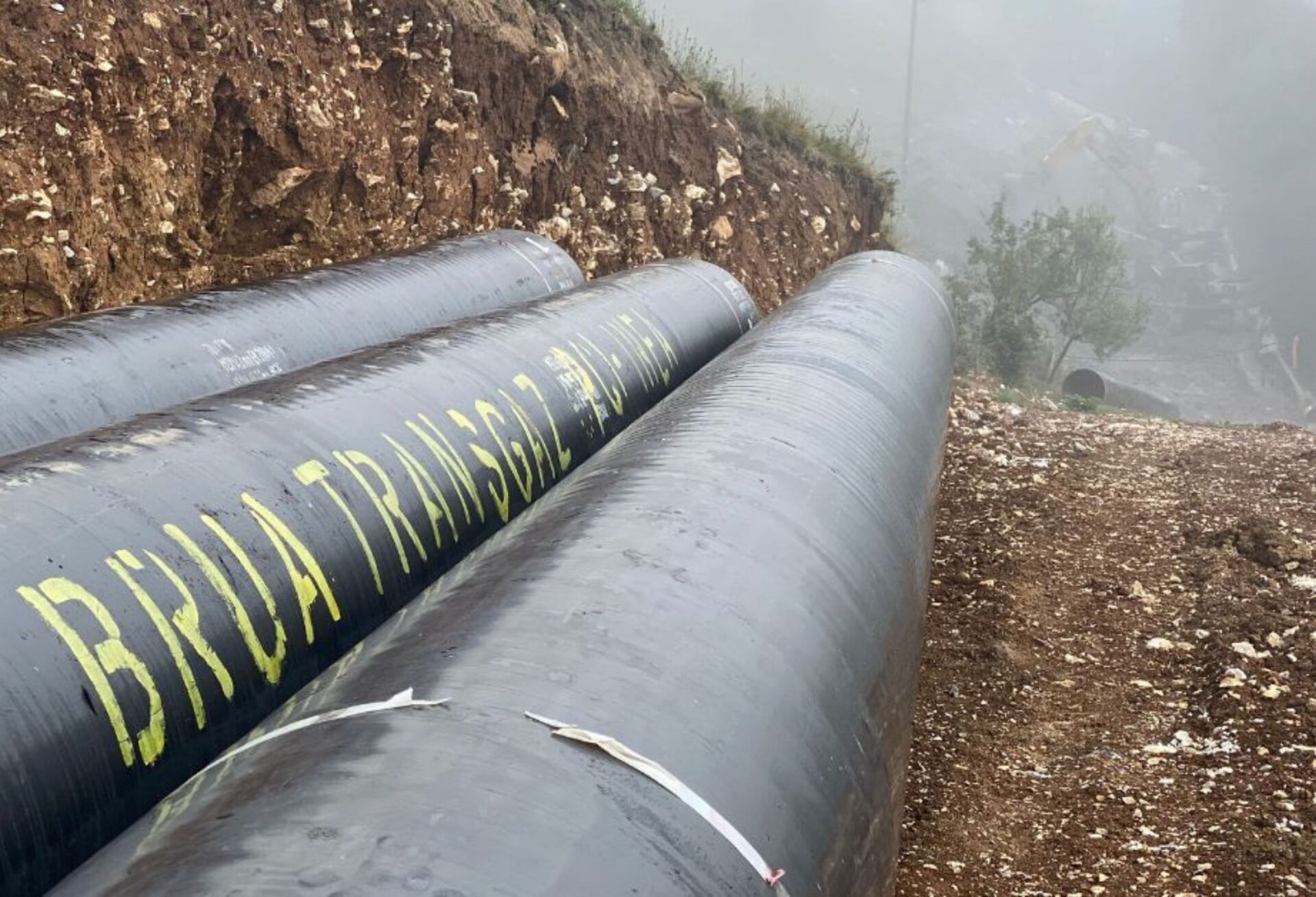
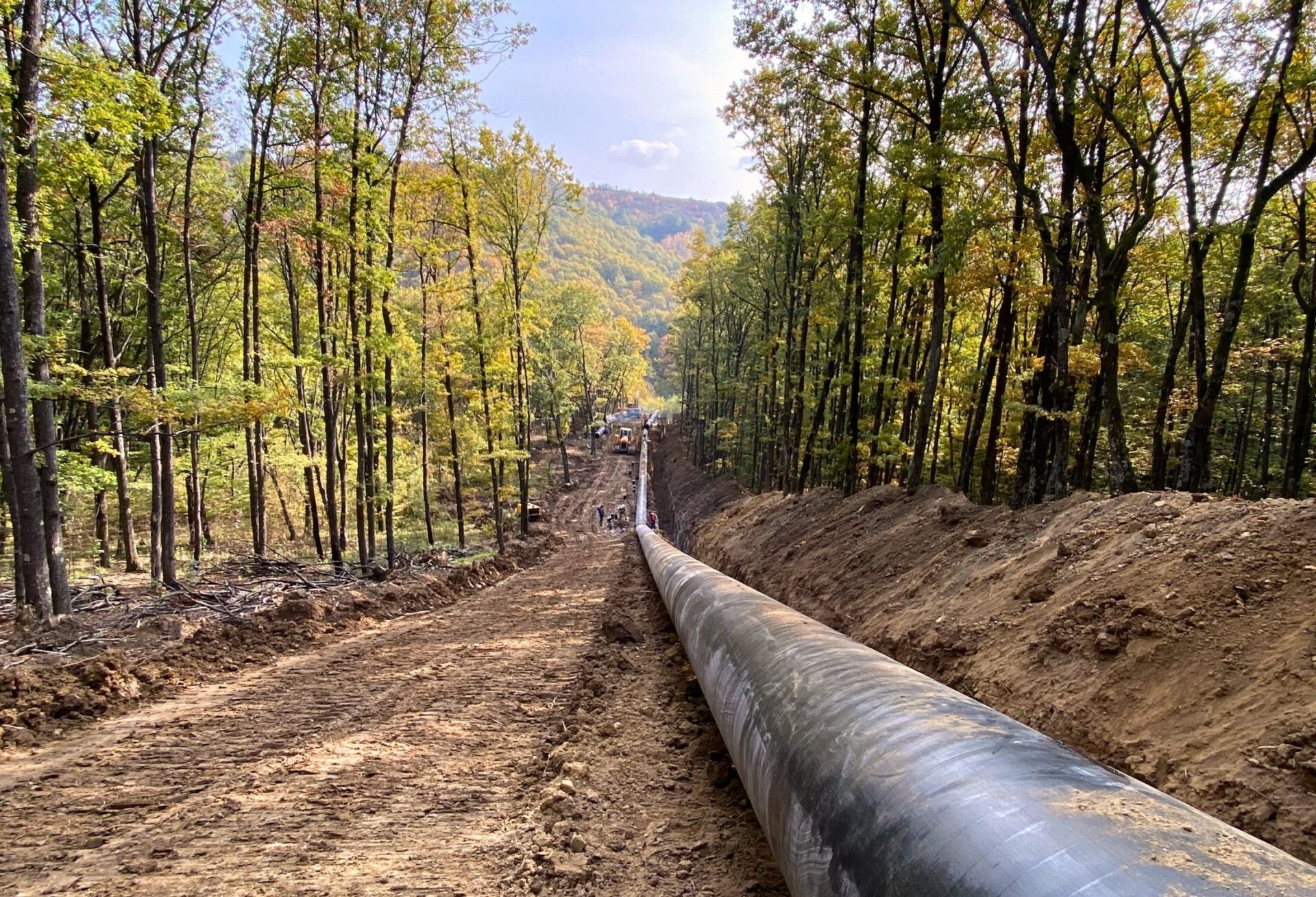
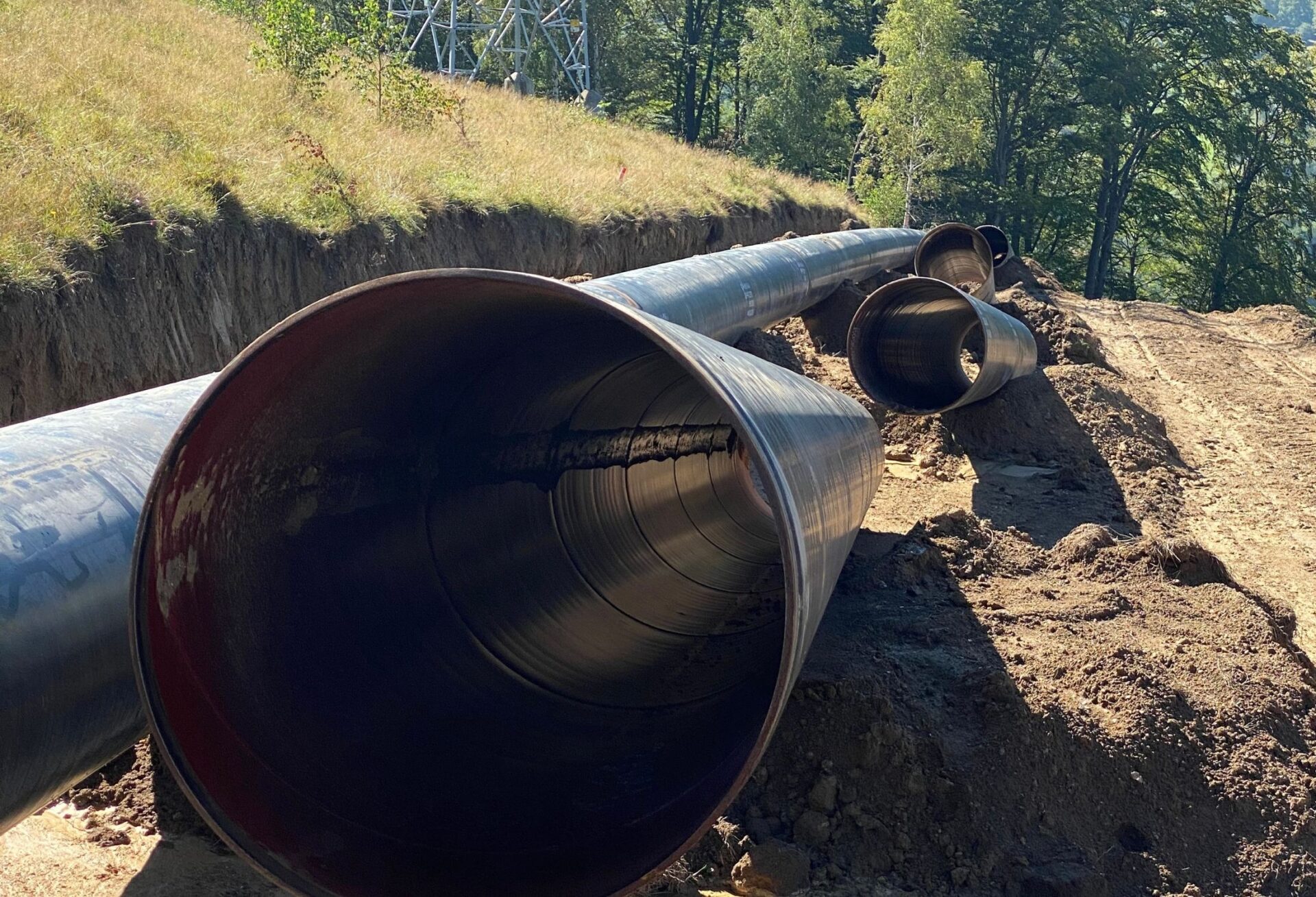
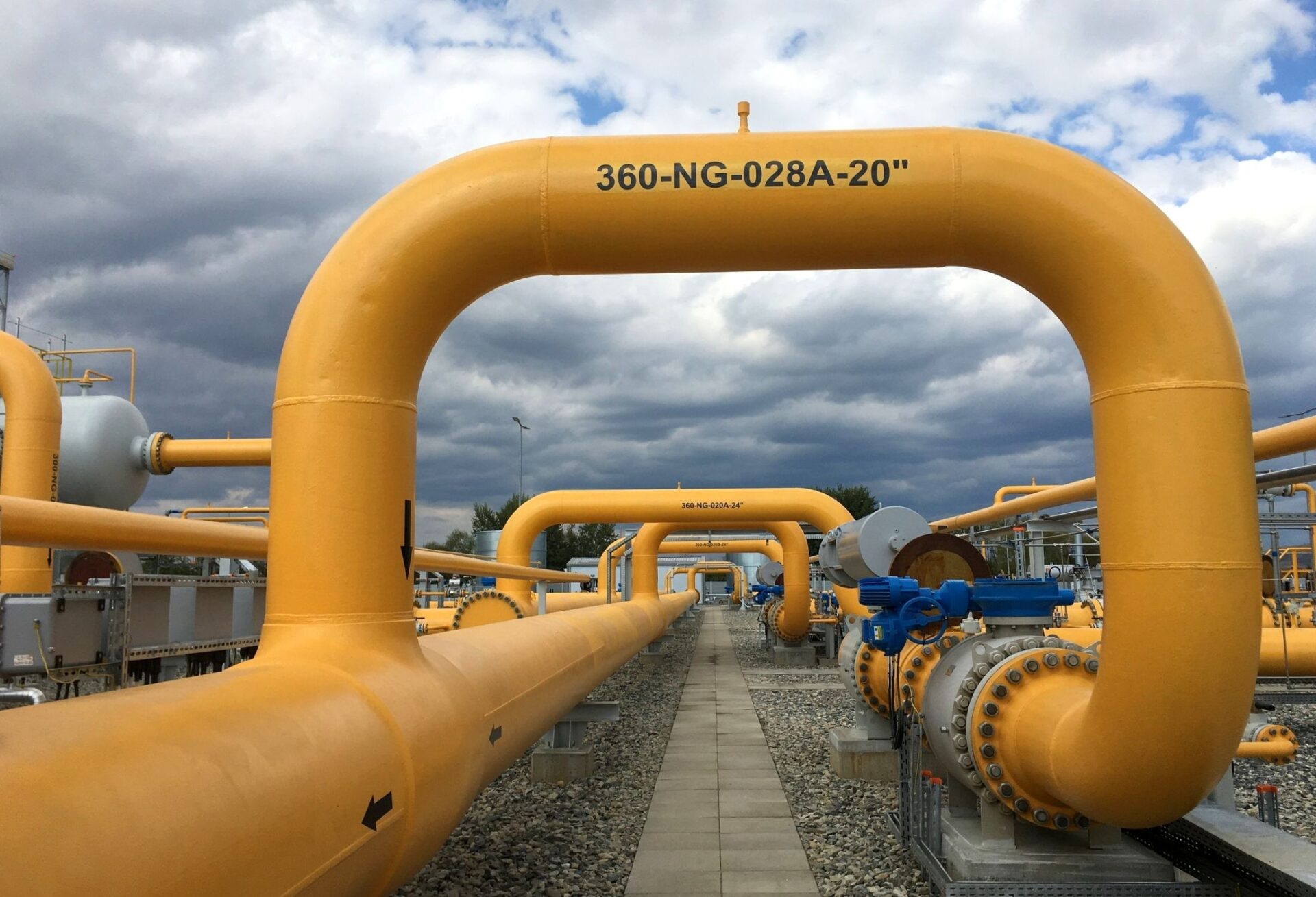


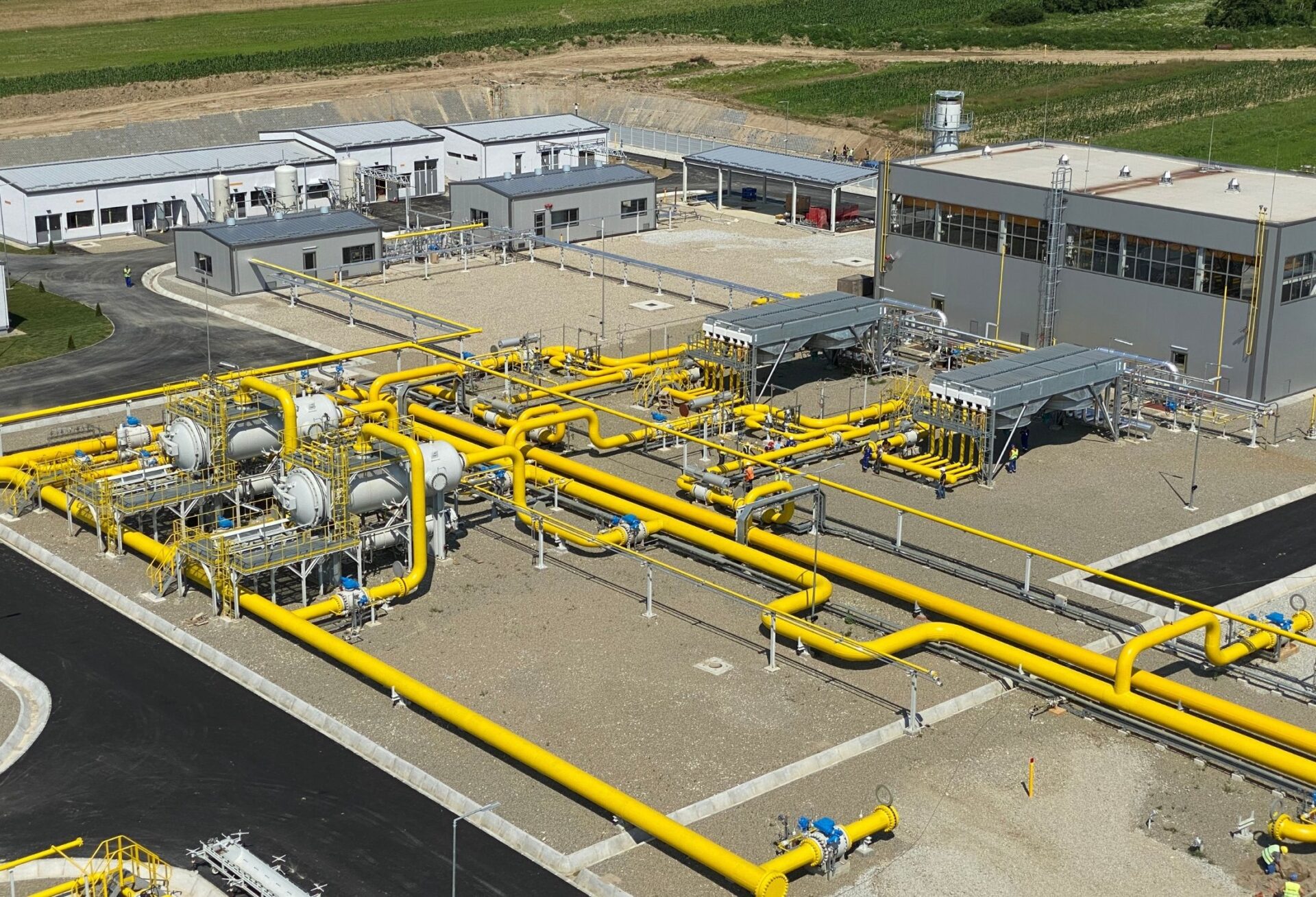
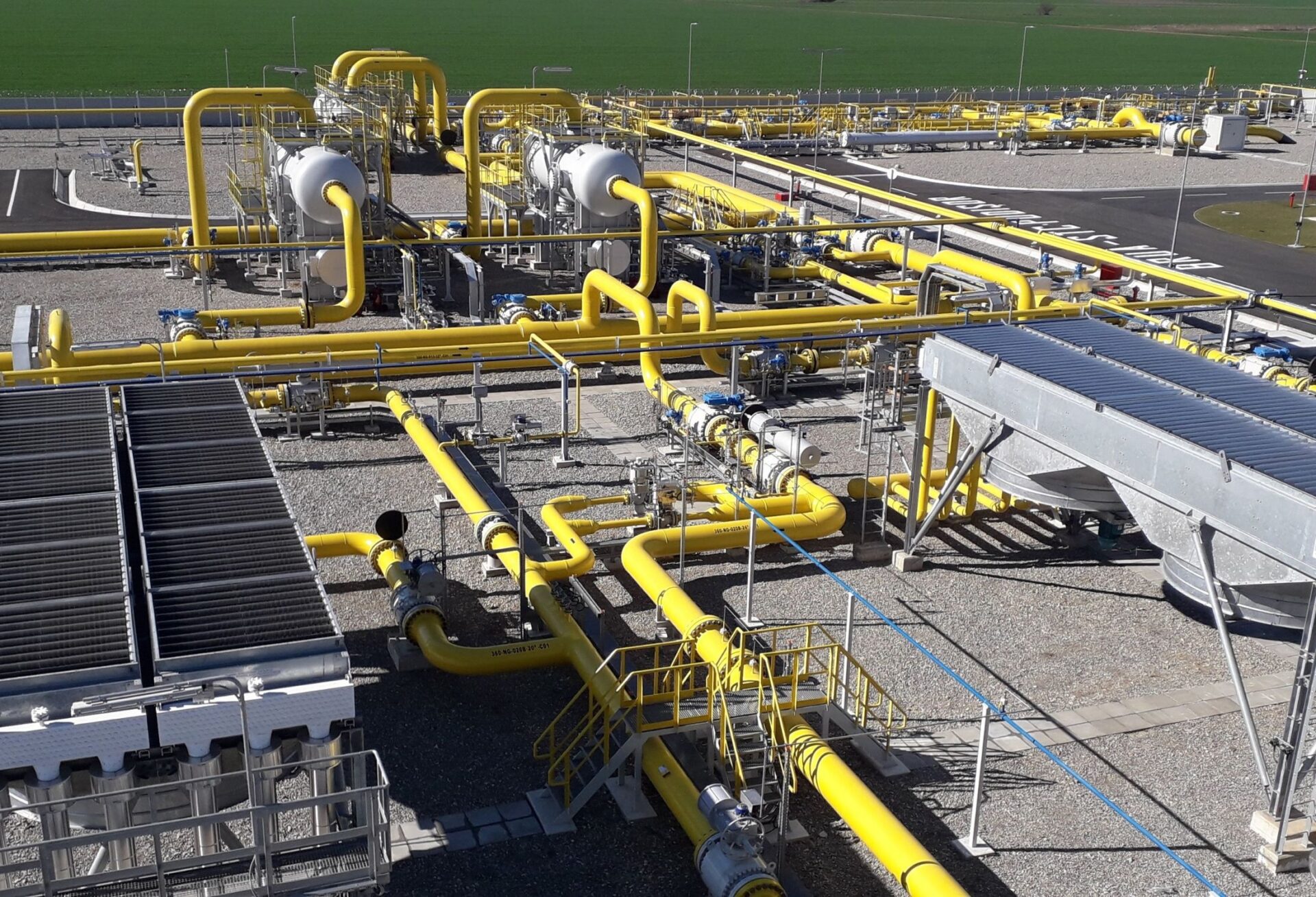
Within these projects, INSPET coordinated and executed complex works such as:
- mechanical assembly and technological installations
- electrical works and industrial automation systems
- insulation and anti-corrosion protection
- industrial construction works
- project management and system integration
The projects were implemented between 2018 and 2020 for TRANSGAZ, the operator of Romania’s National Natural Gas Transmission System.
Energy Infrastructure and Regional Cooperation
Projects such as BRUA clearly demonstrate that modern energy infrastructure is no longer only national. It is regional and European.
Pipelines cross national borders, energy systems are interconnected, and the implementation of such projects requires collaboration between engineering companies, industrial construction contractors, infrastructure operators and international financial institutions.
For companies operating in industrial construction and energy infrastructure, projects of this scale represent opportunities for international cooperation and the development of strategic partnerships in complex energy infrastructure developments.
INSPET’s Experience in Energy Infrastructure Projects
Participation in projects such as BRUA reflects the experience accumulated by INSPET in implementing complex energy infrastructure projects.
Over more than 35 years of activity, the company has constructed over 4,000 km of pipelines for the transportation of natural gas, oil and water, contributing to the development of energy infrastructure in Romania and across the region.
This experience includes projects such as:
- construction of natural gas transmission pipelines
- development of natural gas compressor stations
- technological installations for the oil and gas industry
- EPCC energy infrastructure projects
In the context of the continuous development of European energy infrastructure, the experience gained through such projects enables companies in the sector to participate in regional and international energy infrastructure projects.

Become part of the INSPET community and explore the projects, values and people that define our work and our long-term contribution to energy and critical infrastructure.
Follow us on our official channels: LinkedIn, Facebook, YouTube and on the company website, www.inspet.ro.
