

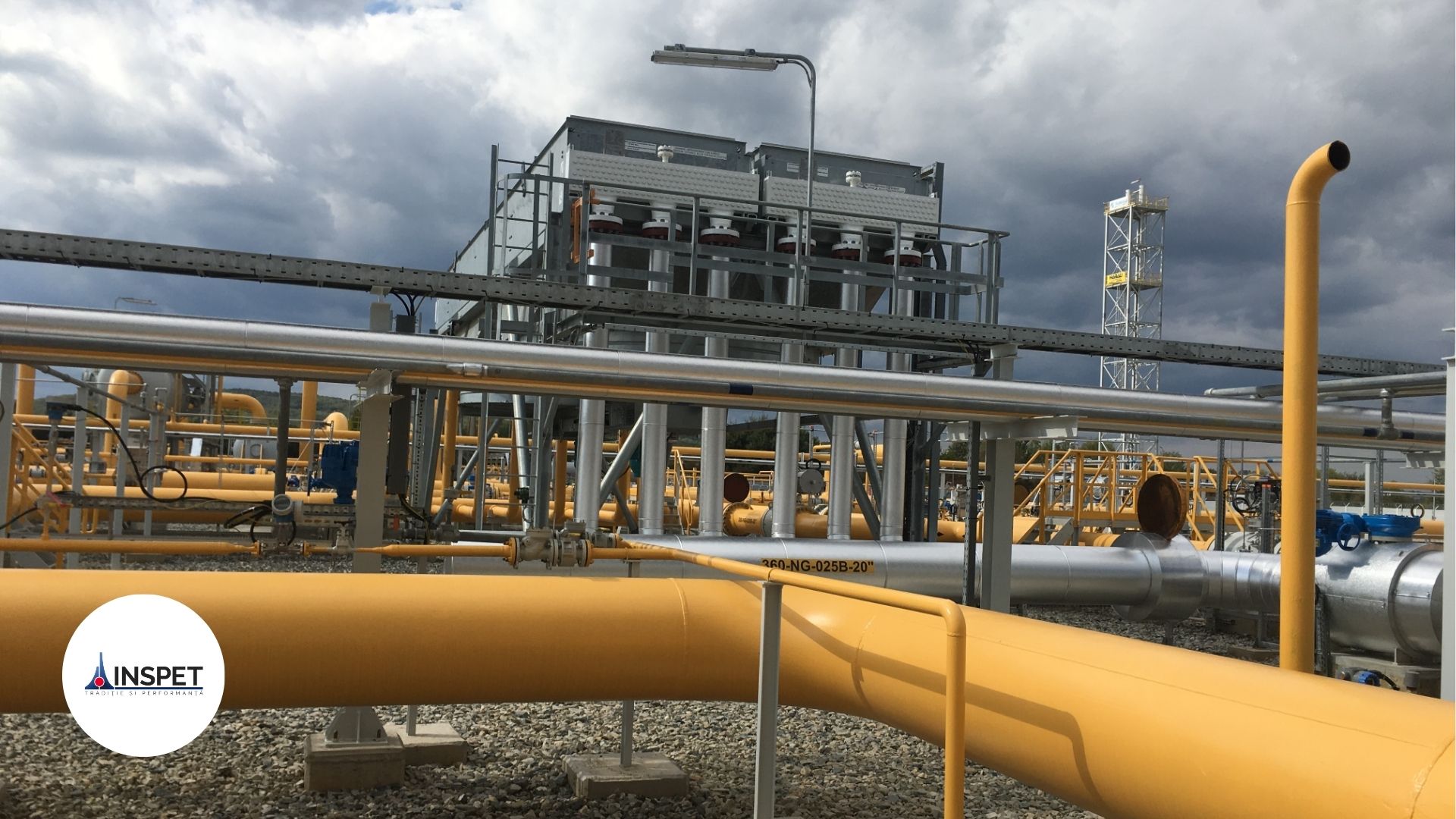
Every day, millions of people across Europe turn on their heating, cook meals or power industrial processes without thinking about what happens behind the scenes. Yet beneath cities, fields and borders operates one of the most complex engineering systems ever built: natural gas infrastructure.
At a European level, this system includes over 200,000 km of transmission pipelines, millions of kilometers of distribution networks and thousands of technological facilities operating continuously. It is an infrastructure designed not for a few years, but for decades. At the core of this system—almost invisible to the public—are compressor stations, without which gas transportation would not be possible.
Natural gas remains a fossil fuel, but it plays an important role in the transition to renewable energy. Compared to other sources such as coal, it produces fewer emissions and helps stabilize the energy system when renewable sources like wind or solar cannot provide consistent output. In practice, natural gas acts as a bridge between the present and the future. Moreover, existing infrastructure—pipelines and compressor stations—can be adapted over time to transport other types of energy, such as hydrogen, making it essential for the next stages of the energy transition.
What actually happens inside a gas compressor station?
If pipelines are the arteries of the energy system, compressor stations are the engines that keep it running.
Natural gas does not simply “flow” over hundreds or thousands of kilometers. As it travels through pipelines, pressure decreases due to friction and distance. Without intervention, the flow would slow down and eventually stop. A compressor station takes gas at a lower pressure, compresses it using turbocompressor units and pushes it further along the system. This process is repeated along the entire pipeline route, at intervals typically ranging between 80 and 150 km, depending on system configuration.
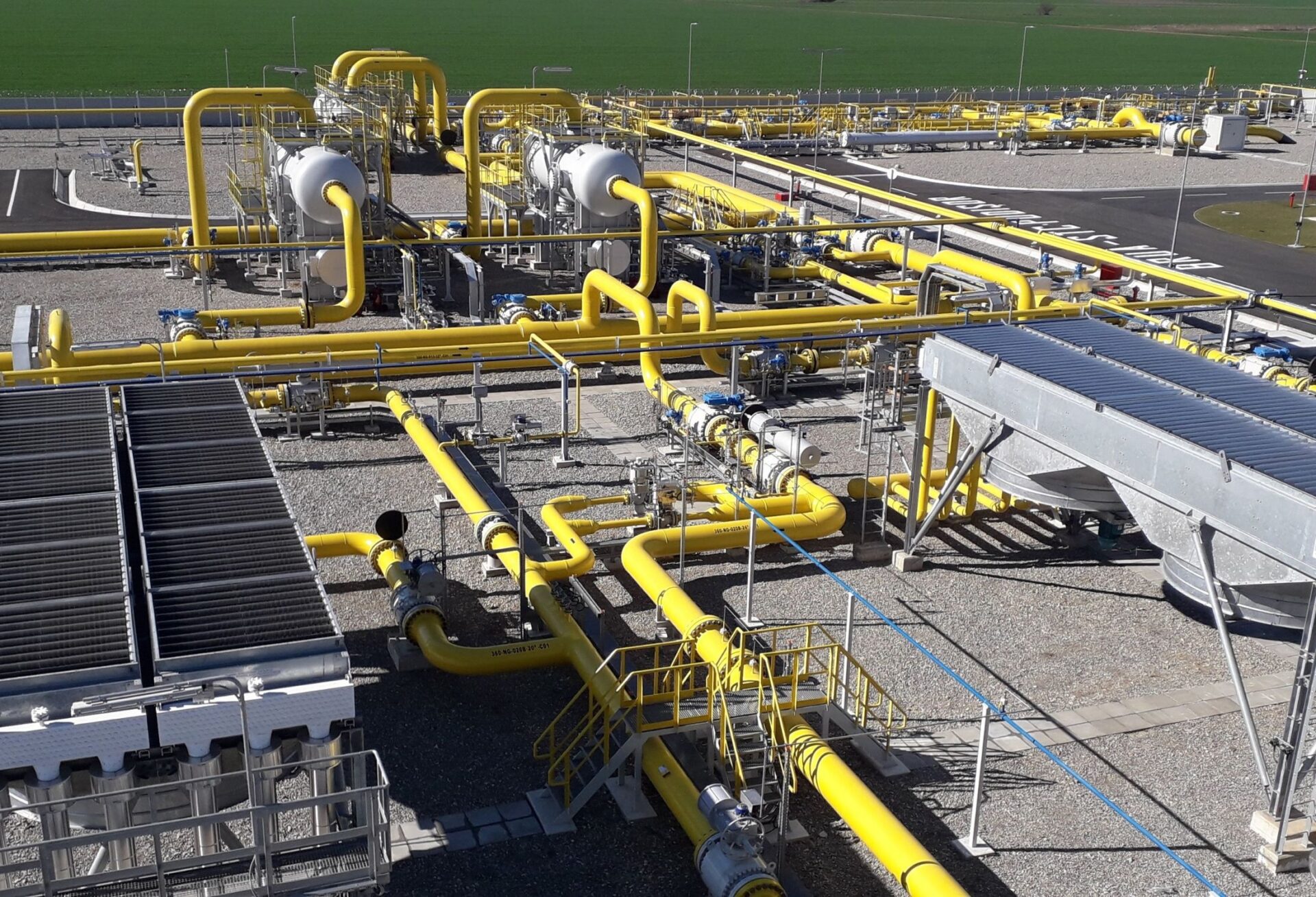
Inside a modern compressor station, everything is designed for efficiency and safety:
- high-power compression units
- automated control systems
- real-time monitoring equipment
- safety and protection systems
As industry professionals often say: “Without compression, there is no transport. A pipeline without compressor stations is just a pipe.”
The invisible system that powers Europe: from source to consumer
A volume of gas extracted in one region can travel hundreds or even thousands of kilometers within days, crossing multiple countries. Europe operates through interconnected energy corridors where natural gas flows between states, storage facilities and consumption centers. These networks allow bidirectional flow, meaning supply can be adjusted depending on demand. This flexibility is essential for energy security.
Behind every kilometer of pipeline and every compressor station lies a complex infrastructure, built and operated by specialized companies capable of integrating large-scale systems.
Why compressor stations are essential for energy security
In recent years, Europe has come to understand that energy infrastructure is not just a technical investment—it is a strategic asset. The ability to transport gas quickly between regions, reverse flow direction or balance the system depends directly on the operation of compressor stations.
Compressor stations:
- maintain pressure within pipelines
- enable bidirectional flow
- support storage and extraction processes
- stabilize the entire system
Without them, interconnected networks could not function efficiently.
Engineering behind performance
At first glance, a compressor station may appear to be a static industrial installation. In reality, it is a dynamic system where every parameter matters. Pressure, temperature and flow are continuously monitored and adjusted to ensure optimal performance. Any variation can impact the entire network.
“In energy infrastructure, there are no insignificant details. Every parameter influences the entire system.”
Today, these systems are integrated with digital technologies that enable real-time monitoring, energy optimization and incident prevention.





INSPET – experience that keeps energy infrastructure moving
Behind these complex systems are companies capable of delivering integrated projects, from engineering to commissioning. INSPET is one of the contractors operating in this field, with over 35 years of experience in energy fluid infrastructure.
The company has contributed to:
- over 40 gas compression and drying stations
- more than 4,000 km of pipelines for natural gas, oil and water
- over 350 energy fluid infrastructure projects
INSPET’s expertise in compressor stations is demonstrated through its involvement in strategic projects forming part of critical national and regional energy infrastructure. A relevant example is the three compressor stations developed within the BRUA project, where INSPET acted as consortium leader and general contractor/specialized contractor.
The BRUA project (Bulgaria – Romania – Hungary – Austria) represents one of the most important energy infrastructure developments in Central and South-Eastern Europe. It is also the largest investment in Romania’s gas sector in recent decades.
The project aims to interconnect gas transmission systems across multiple countries and strengthen regional energy security. Through BRUA, Romania has become a strategic hub for natural gas transport, enabling bidirectional flows and supply diversification. Within this system, compressor stations play a critical role.
Podișor Compressor Station
The Podișor Gas Compressor Station is a technological facility interconnected with the following main gas pipelines:
- DN 32” Podișor – STC Bibești
- DN 20” Podișor – Giurgiu
- The station will also be connected to the future DN 40” Tuzla – Podișor transmission pipeline
The maximum gas flow rate is 565,000 Sm³/h, with two compression units. In addition, the station includes advanced automation systems, allowing operation with only two operators per shift under all conditions.
Bibești Compressor Station
The Bibești Gas Compressor Station is a technological facility interconnected with the following main gas pipelines:
- DN 32” STC Podișor – STC Bibești
- DN 32” STC Bibești – STC Jupa
- DN 20” STC Bibești – NT Hurezan
The compressed gas flow is 282,500 Sm³/h. By installing an additional compression unit in the future, the station will be able to double its capacity. The station also includes automation systems that allow operation with minimal personnel per shift under all conditions. This project reflects the complexity of modern infrastructure, where the integration of technological installations, automation systems and high-power equipment is essential for the performance and safety of the entire system.
Jupa Compressor Station
The Jupa Gas Compressor Station is a technological facility interconnected with the following main gas pipelines:
- DN 32″ SCG Bibești – SCG Jupa
- DN 32″ SCG Jupa – Hungary
- DN 20″ West 1 and DN 20″ West 2
The maximum gas flow rate is 565,000 Sm³/h, with two compression units. The station also includes automation systems that allow operation with only two operators per shift under all conditions. The station is equipped with two SOLAR turbocompressor units (USA origin), each with a power of 4.6 MW (one operating and one standby), ensuring bidirectional gas flow capability.
Such projects are not isolated works, but components of systems designed to operate safely for decades.
“You don’t just build a station or a pipeline. You build part of a system that must function every single day.”
Other compressor stations delivered by INSPET
Gas suction/discharge manifold system for the Butimanu – Bilciurești Compressor Station, developed under SNGN ROMGAZ S.A. – DEPOGAZ Ploiești, which holds approximately 90% of Romania’s total active gas storage capacity. This project increases daily gas extraction and injection capacity at the Bilciurești storage facility.
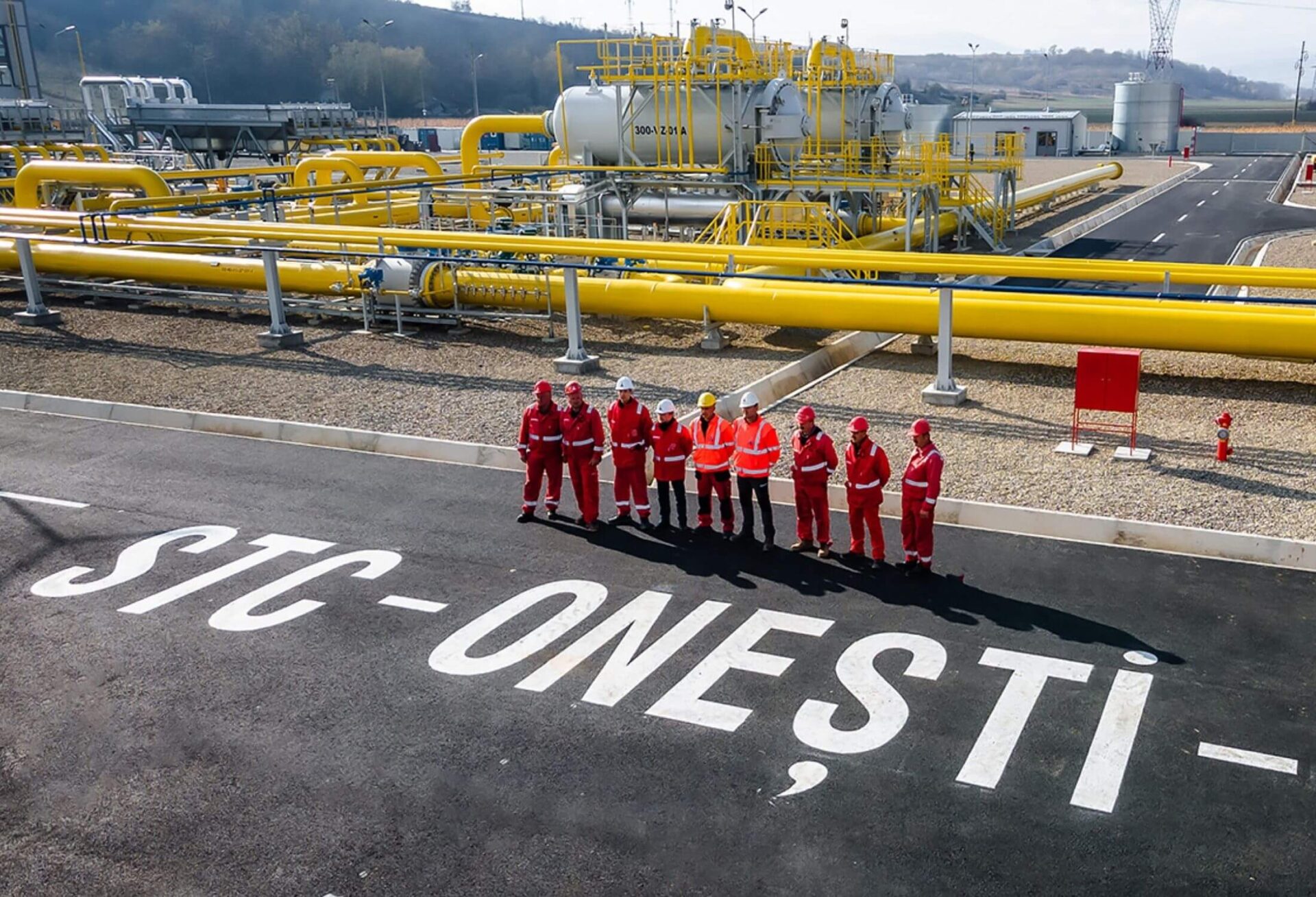
Execution of the Onești and Gherăești compressor stations, including automation and pipeline security systems, as part of the project “Development of the National Gas Transmission System in the North-East of Romania”, aimed at improving gas supply in the region and ensuring transport capacity towards the Republic of Moldova.
This reality is clearly reflected in compressor station projects delivered in Romania, where each installation becomes part of a broader, interconnected regional energy system.
The future of energy infrastructure
As Europe continues to transform its energy system, infrastructure remains the key enabler of this transition. From natural gas to hydrogen and the integration of multiple energy fluids, networks are becoming increasingly complex, interconnected and technologically advanced. Natural gas compressor stations will continue to play a vital role in maintaining energy flows between regions and economies. Behind these systems, experience makes the difference. At INSPET, we contribute every day to building infrastructure designed to operate safely and efficiently for generations.

Become part of the INSPET community and explore the projects, values and people that define our work and our long-term contribution to energy and critical infrastructure.
Follow us on our official channels: LinkedIn, Facebook, YouTube and on the company website, www.inspet.ro.
