

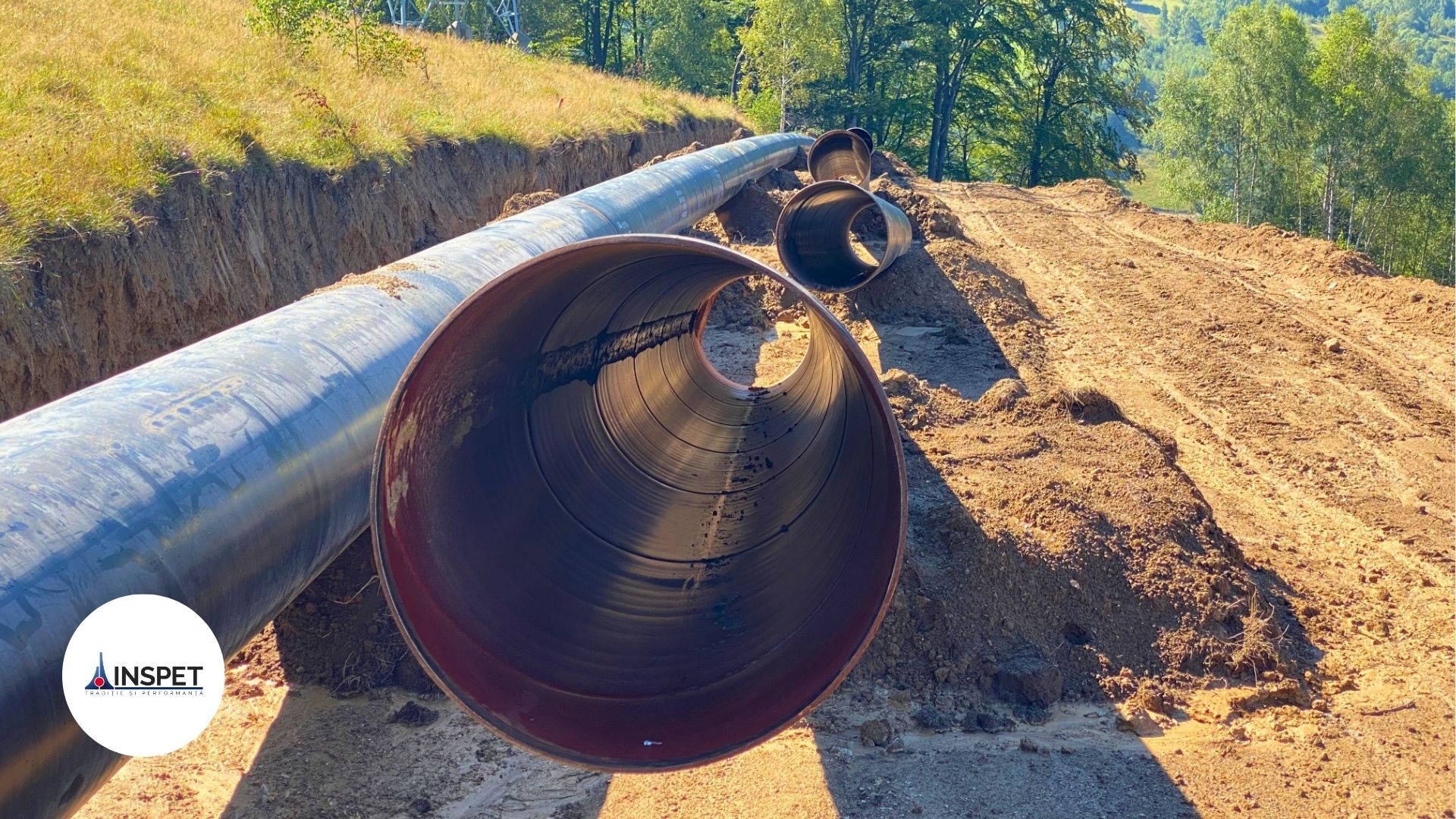
Energy infrastructure has the rare ability to do far more than simply transport resources. It connects communities, regions and economies, creates stable interdependencies between states and contributes directly to energy security and regional stability. In many cases, natural gas transmission pipelines, gas compression stations and energy interconnections function as instruments of economic diplomacy – building bridges of cooperation and supporting European convergence.
Energy Infrastructure and the New Regional Architecture
In Eastern Europe, this reality is becoming increasingly visible. Natural gas infrastructure projects have long surpassed the status of simple technical investments, becoming strategic components of the new regional energy architecture. In this context, the relationship between Romania and the Republic of Moldova represents one of the most relevant examples of how infrastructure can support economic integration and closer alignment with the European market.
Behind these projects, however, are companies capable of transforming strategic vision into functional infrastructure through engineering expertise, execution capability and operational integration. We are INSPET, and we are among the Romanian companies that have directly contributed, over the last seven and a half decades (since 1950), to the development of regional energy infrastructure through transmission pipeline projects, natural gas compression stations, complex technological installations and strategic interconnections.
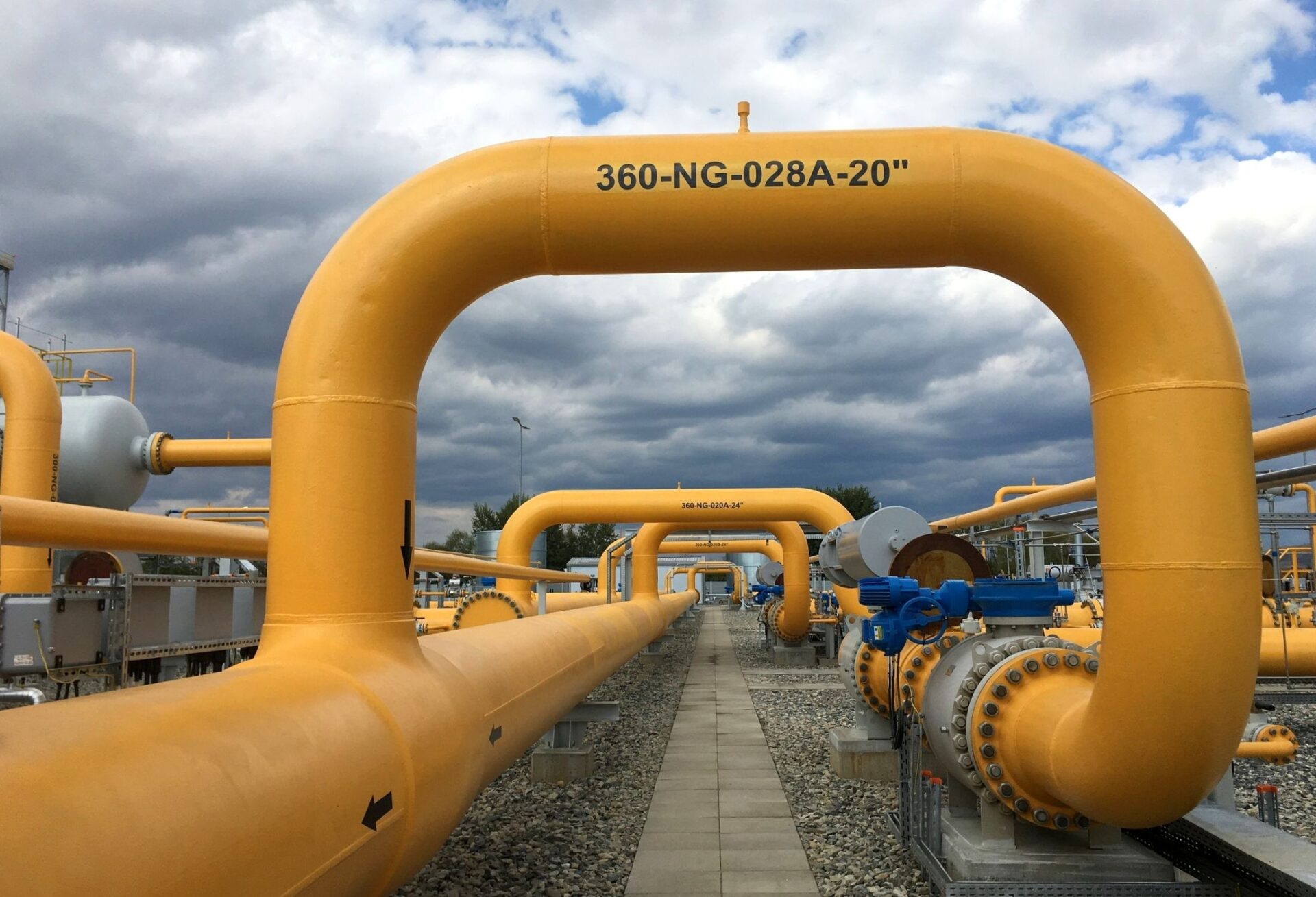
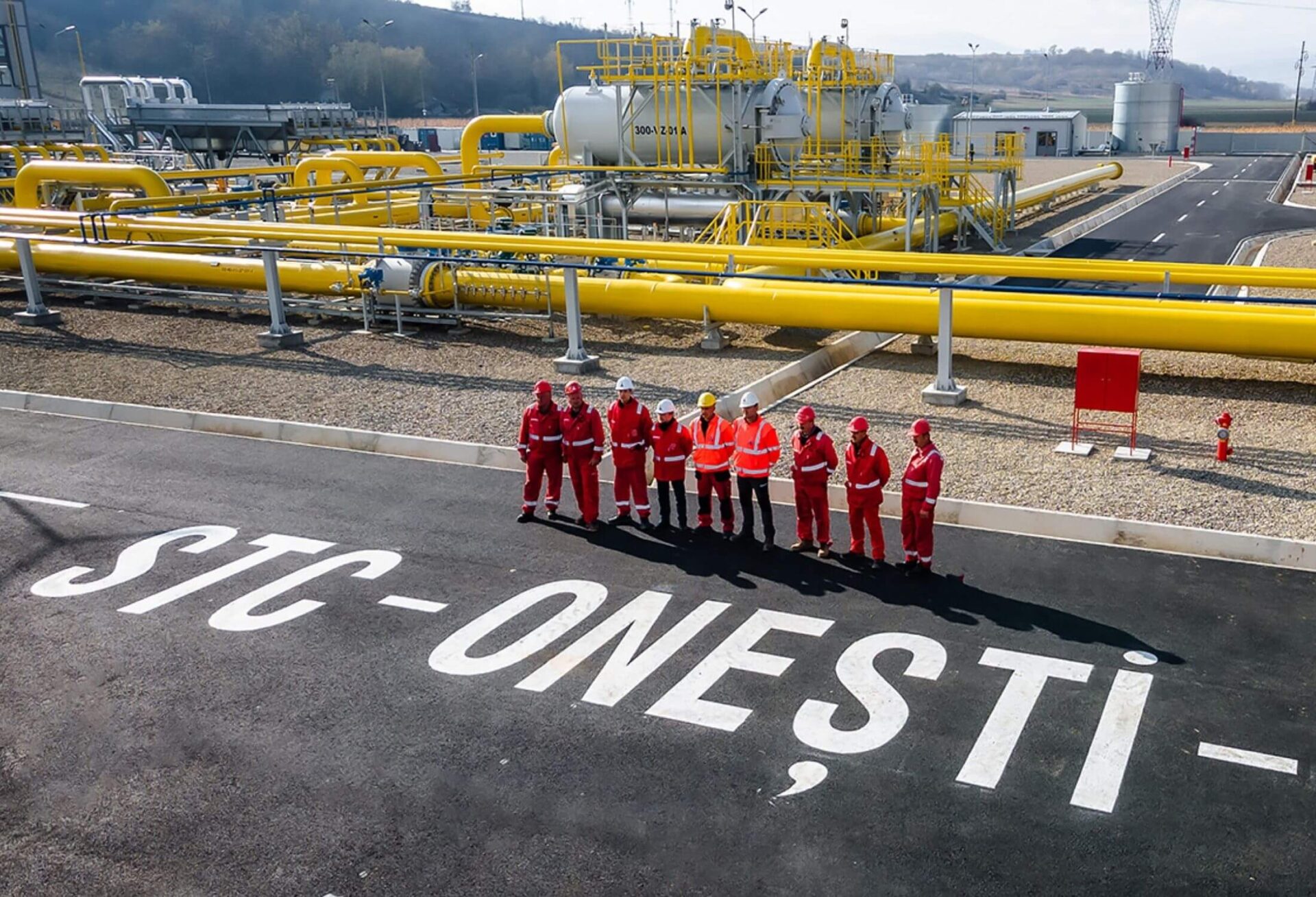
We are a private Romanian contractor and EPC general contractor specialized in energy fluid infrastructure, with integrated design-procurement-construction expertise for natural gas pipelines, compression stations, underground natural gas storage facilities and related installations. In Romania, we have repeatedly worked on projects directly linked to energy security: transport capacity, redundancy, modernization and safe operation. As consortium leaders, 12 years ago we built the sub-crossing of the gas pipeline beneath the Prut River; 6 years ago we built one third of the BRUA gas pipeline, including the compression stations; and 3 years ago we built the two natural gas compression stations in the Moldova region that transport Romanian gas towards the Republic of Moldova, while another major Romanian contractor built the pipeline connecting the Romanian transmission network to Chișinău.
Natural gas storage infrastructure will become one of the most important strategic themes of the next decade in Central and Eastern Europe. In periods of geopolitical volatility, storage capacity means more than energy reserves – it means economic resilience and the ability to respond in critical situations. From this perspective, Romania has a significant competitive advantage through its existing infrastructure and the potential expansion of storage capacities, which could strengthen the country’s role as a regional energy hub.





Natural Gas as an Instrument of European Integration
In the Republic of Moldova, what matters most from our perspective is the overall system outcome: increased resilience and energy security. Today, there is a functional architecture that allows diversification of gas sources and connection to the European market through interconnections and transport infrastructure, with Vestmoldtransgaz (a TRANSGAZ subsidiary) playing an extended operational role within the transmission network. Here, we explicitly acknowledge the role of the Romanian TSO, SNTGN TRANSGAZ SA: the strategy to expand capacity in North-Eastern Romania (pipelines and compression stations) was not “just another project”, but rather an instrument of economic and security policy.
European integration is not only about legislation and funding; it is also about infrastructure, companies capable of delivery, and institutional capacity to scale what works. Romania and Moldova can achieve this together.
Natural gas as an instrument of economic diplomacy. We say this without embellishment: in our region, gas infrastructure has been – and remains – a lever for stability, negotiation and European connectivity. Behind this vision were people who consistently supported, with institutional perseverance, the idea that Romania can export security through infrastructure.
Regional Reconstruction and the Critical Infrastructure of the Future
Beyond the Republic of Moldova, the entire region is entering a period of accelerated reconstruction, and energy infrastructure will play a central role in this process. Ukraine’s reconstruction will involve not only rebuilding destroyed capacities, but also modernizing infrastructure according to European standards of security, interoperability and resilience. In this context, Romania can become a logistics, industrial and operational hub for regional infrastructure projects, while Romanian companies with experience in EPCC projects and critical infrastructure have the opportunity to contribute engineering expertise and execution capabilities.
The Romania–Moldova economic partnership on the road toward EU integration. The Republic of Moldova has a legitimate interest in attracting strategic multinationals, capital and technology. At the same time, it also has an interest in creating domestic multiplier effects and stronger economic ties with Romania – meaning local supplier chains, skills development, locally paid taxes and growing entrepreneurs. We believe Romania can be a “natural partner”, without seeking exclusivity: Romanian infrastructure contractors (with the possible exception of nuclear energy infrastructure, where there have been no recent projects) have recent experience delivering EPC / general contractor projects and can operate in Moldova both as designers, contractors and integrators across gas, electricity, road, railway and telecommunications infrastructure.
“The Elephant in the Room”. We are in a geopolitical confrontation zone, and the risk is not theoretical. Precisely for this reason, one concrete idea worth testing is a Romania–Moldova framework for Dual-Use technologies, with institutional cooperation (for regulations, ethics, export control and security), but driven by the private sector (rapid prototyping, agile procurement, pilot projects, etc.). Moldova could transform a strategic disadvantage into a tactical advantage: it could become a “solutions laboratory”, as the Baltic states have done, if it clearly establishes the rules of the game and allows the private sector to deliver. (For clarity, we are not referring to any militarization of the economy, but rather to resilience: sensors, critical infrastructure protection, cyber-physical systems, logistics, communications, drones/UGVs for inspections and interventions, standards.)
We conclude with a reality check for the Romanian business environment: “boots on the ground” in Ukraine’s reconstruction, involving massive relocation of Romanian companies into the neighboring country, is probably an overestimated ambition. Romania can be excellent as a logistics hub and provider of products and services, but the local environment and the structure of interests/economic power will strongly filter who can operate directly in Ukraine at scale. In contrast, in the Republic of Moldova, recent public signals regarding reform and changes in the traditional domestic business environment are encouraging, including through direct political and institutional commitment. This makes Moldova, pragmatically speaking, a far more achievable target for Romanian capital and for bilateral projects with rapid impact.
In the coming years, energy infrastructure will mean far more than pipelines and technological stations. It will mean economic security, regional competitiveness, industrial capacity and strategic positioning within a transforming Europe. And in this new stage, companies capable of integrating technical expertise, execution and long-term vision will play an essential role in building the infrastructure of the future.

