

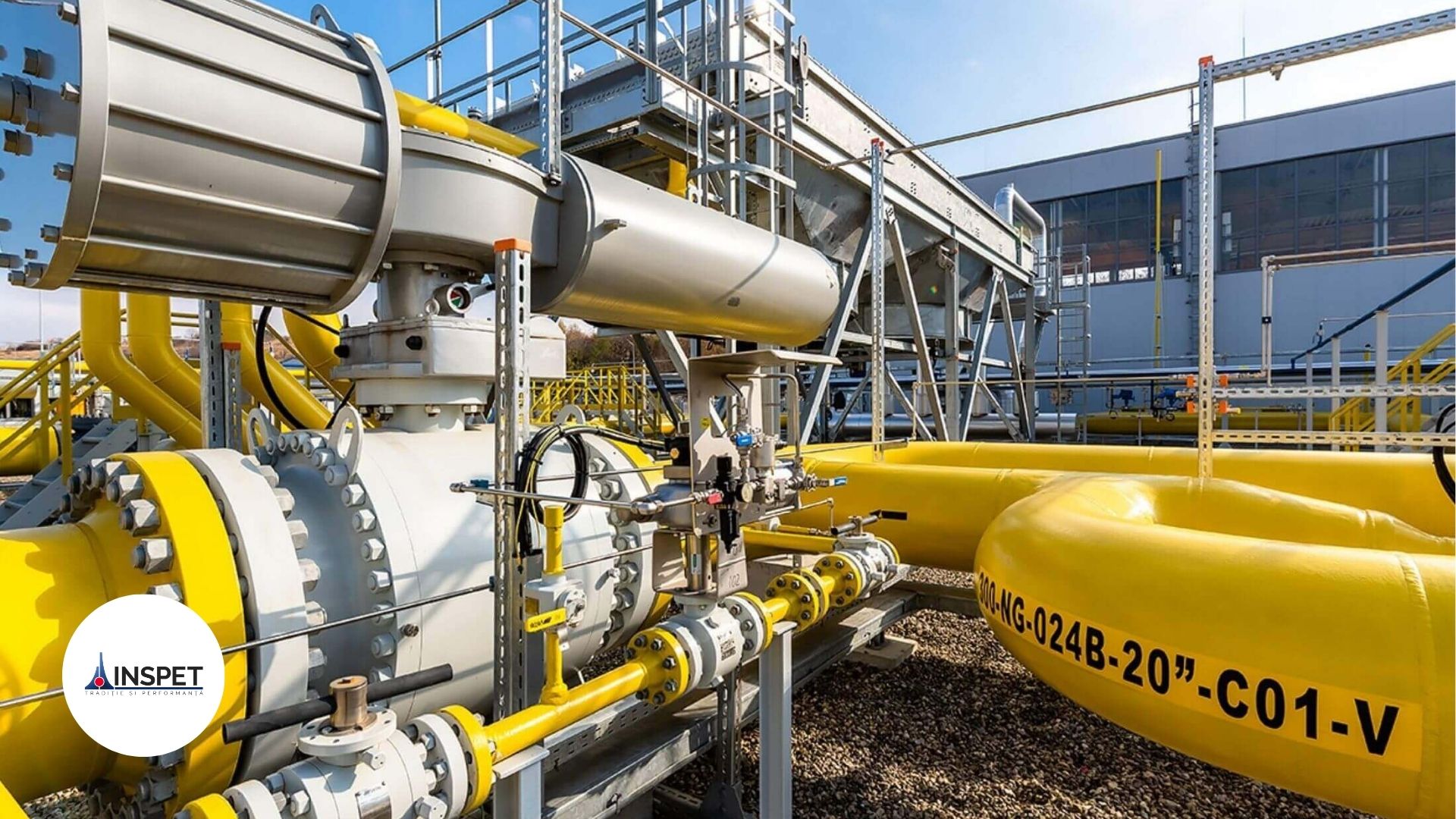
Europe operates through systems that, most of the time, remain unseen. Behind industries, cities and everyday life lies an extensive network of infrastructure designed for the transport and management of energy fluids – natural gas, crude oil and water. At European level, the natural gas transmission network exceeds 200,000 km of pipelines, complemented by tens of thousands of kilometers of oil and petroleum product pipelines. At the same time, water and wastewater infrastructure represents one of the most extensive technical systems, essential for both communities and industrial operations.
In Romania, the national natural gas transmission system includes over 13,000 km of pipelines, while investments in water and wastewater infrastructure continue to grow, supported by European funding programs and the need to modernize existing networks.
These systems do not operate independently. They form an integrated infrastructure that connects regions, supports economies and ensures long-term energy stability.
Energy infrastructure projects and their role in economic development
Energy fluid infrastructure projects are, fundamentally, system projects. They are not limited to individual pipelines or installations, but represent complex systems that must operate continuously, safely and efficiently over decades.
Whether we refer to natural gas transportation, crude oil pipelines or water supply systems, all these projects require the same core elements: execution precision, coordination between teams and long-term responsibility.
A relevant example is the BRUA Corridor, which has reshaped the interconnection of gas transmission systems in Central and South-Eastern Europe. However, such projects are only part of a broader landscape, where energy fluid infrastructure becomes a strategic pillar for regional development.
These projects involve large-scale investments and complex engineering processes. Typically, they include high-capacity transmission pipelines, compressor, drying or pumping stations, metering and regulating installations, as well as storage systems and cross-border interconnections.
Pipelines, technologies and execution in modern infrastructure
Pipelines represent the backbone of energy fluid infrastructure. They transport natural gas over hundreds or even thousands of kilometers, ensure the flow of crude oil between production and refining areas, and support water distribution to communities and industry.
Beyond pipelines, these systems include compressor stations, pumping installations, regulating equipment and digital monitoring systems. All these components operate together as part of a complex mechanism, functioning continuously under high-pressure conditions.
The construction of such infrastructure requires advanced engineering design, high-precision industrial welding, strict quality control and the integration of modern automation systems.
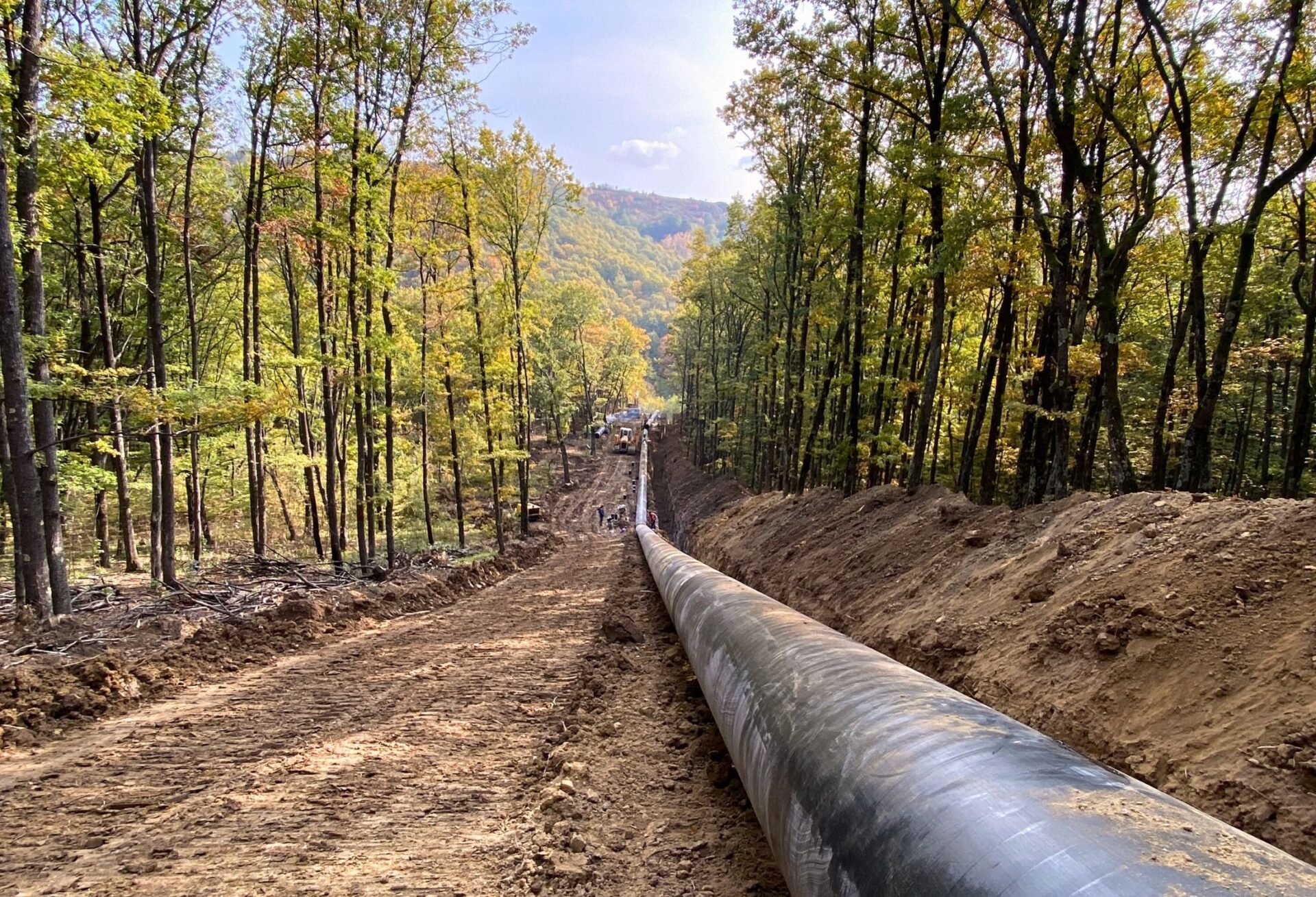
In recent years, execution technologies have evolved significantly. One of the most relevant examples is Horizontal Directional Drilling (HDD). This method enables the installation of pipelines without major surface intervention, allowing crossings of rivers, railways or urban areas without disrupting existing activities.
In a context where environmental impact and community considerations are increasingly important, such solutions have become standard in modern oil, gas and water infrastructure projects.
The role of contractors and industry challenges
In these types of projects, contractors are not just executors, but system integrators. Companies operating under the EPCC model manage the entire lifecycle of a project – from engineering and procurement to construction and commissioning.
In practice, this involves coordinating multiple disciplines simultaneously: engineering, industrial construction, automation and quality control. In a sector where any error can have major consequences, experience, organization and adaptability become critical.
An experienced contractor ensures technical expertise in complex industrial works, strong project management capabilities, coordination of multidisciplinary teams, compliance with international standards, as well as cost and schedule control.
At the same time, the development of energy fluid infrastructure is influenced by several major challenges, including increasing technical complexity, stricter environmental regulations, economic volatility and the transition towards more sustainable energy systems. Additionally, projects are increasingly cross-border, requiring collaboration between companies, institutions and different national systems.
Experience in energy fluid infrastructure – Horizontal Directional Drilling
Within this context, INSPET has positioned itself as a specialized contractor in energy fluid infrastructure, with experience covering natural gas, crude oil and water projects.
With more than 35 years of activity, the company has contributed to over 4,000 km of pipelines and more than 350 infrastructure projects. These works include transmission pipelines, compressor stations, technological installations, as well as water supply systems and complex industrial projects.
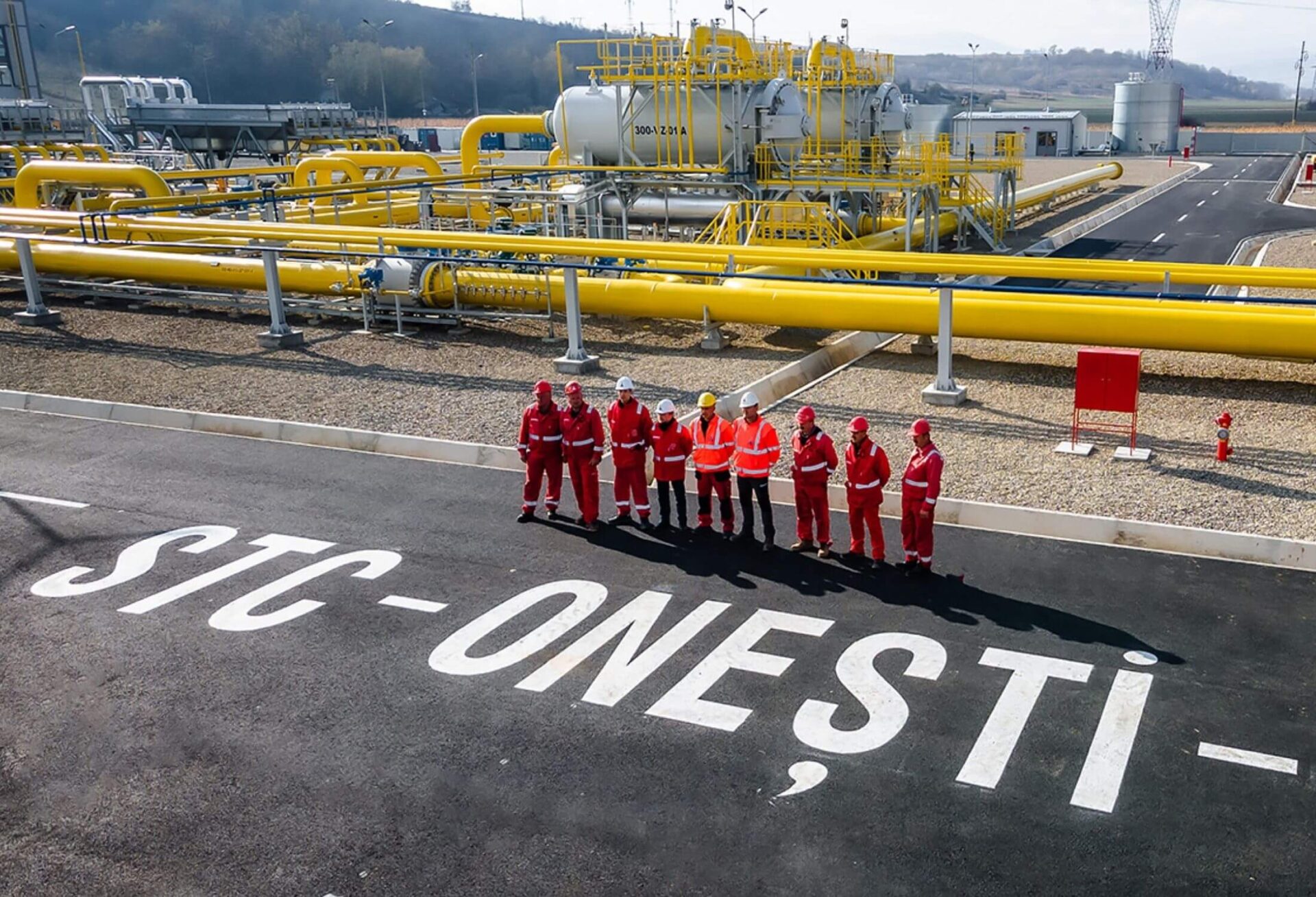
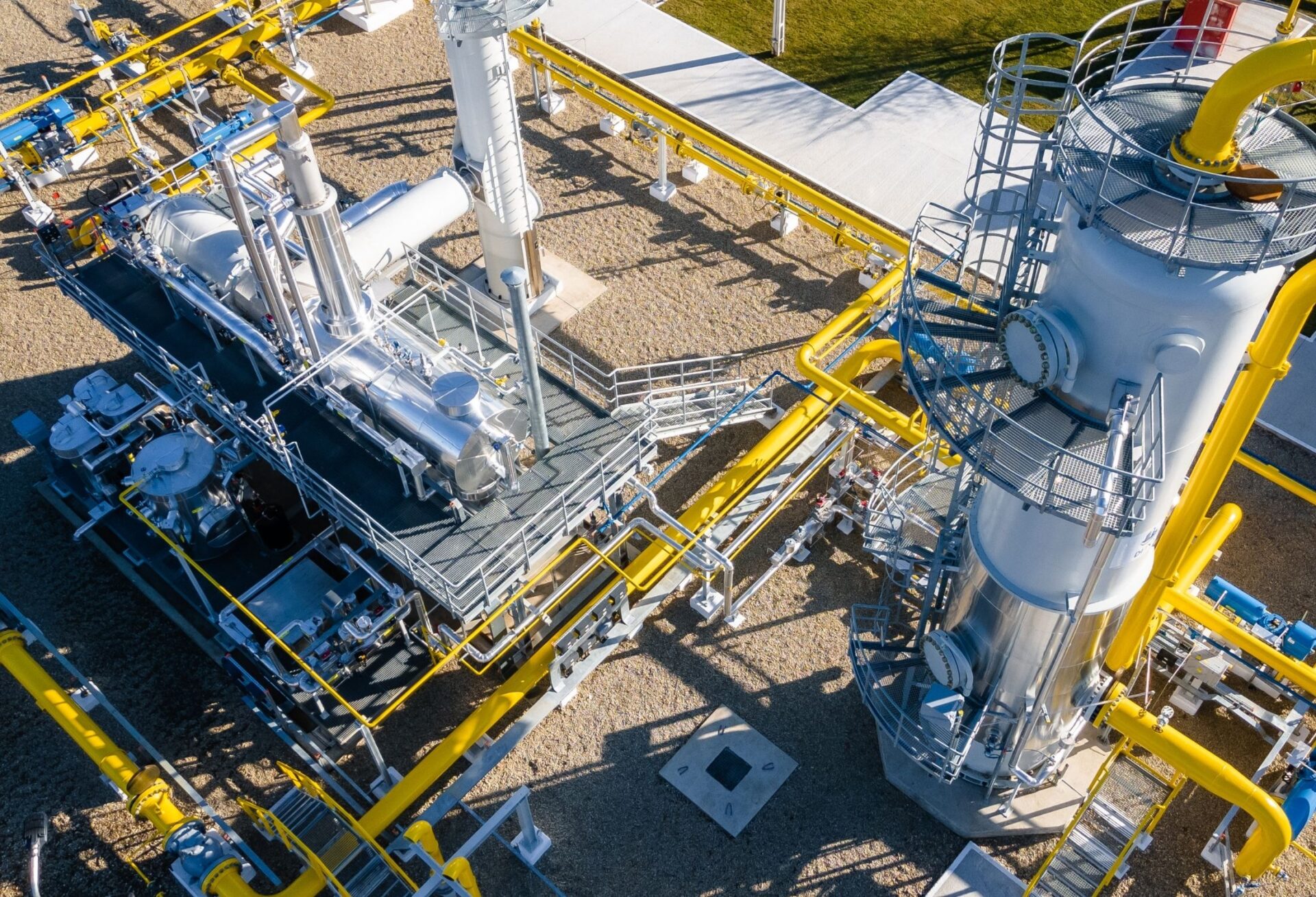
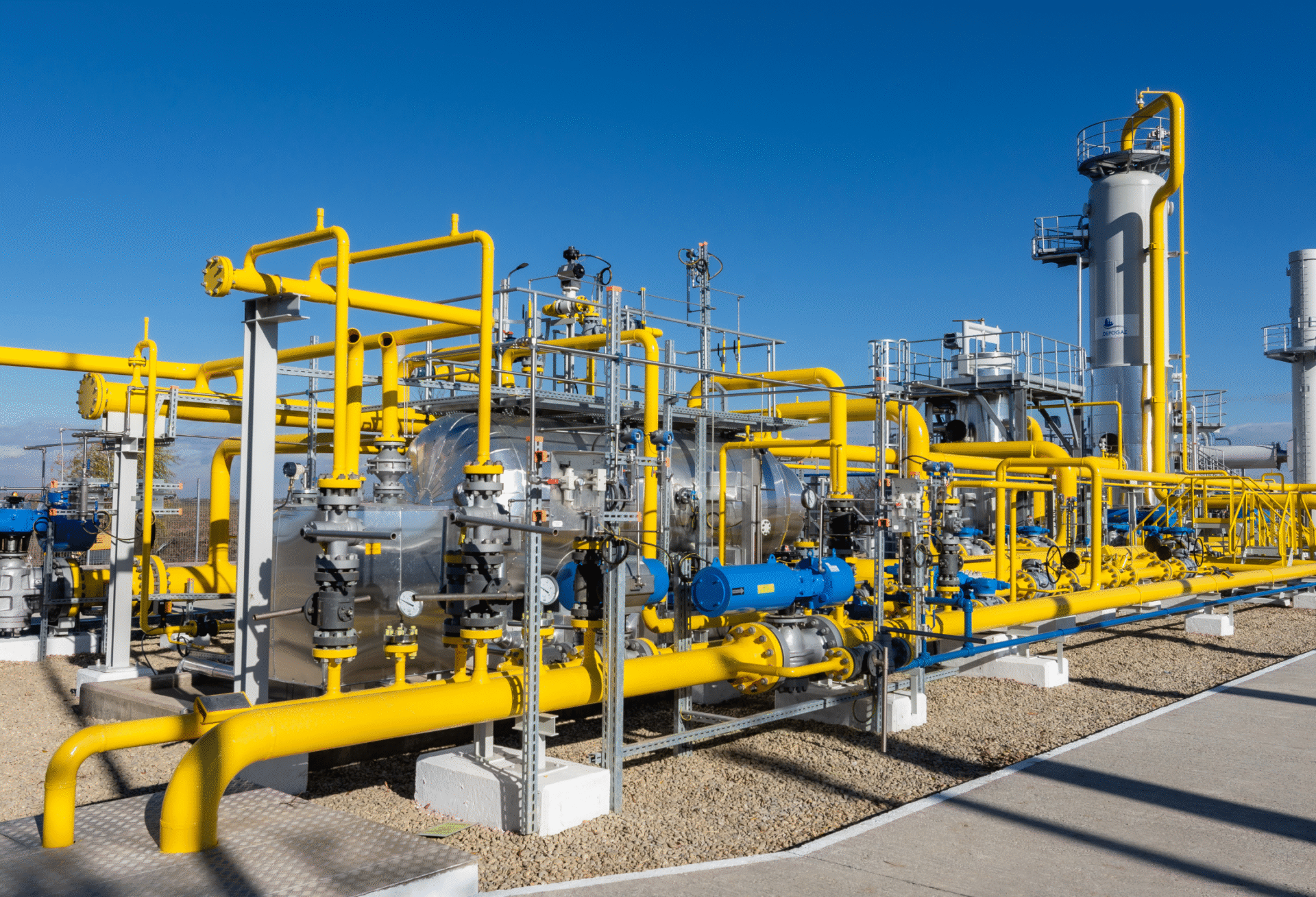
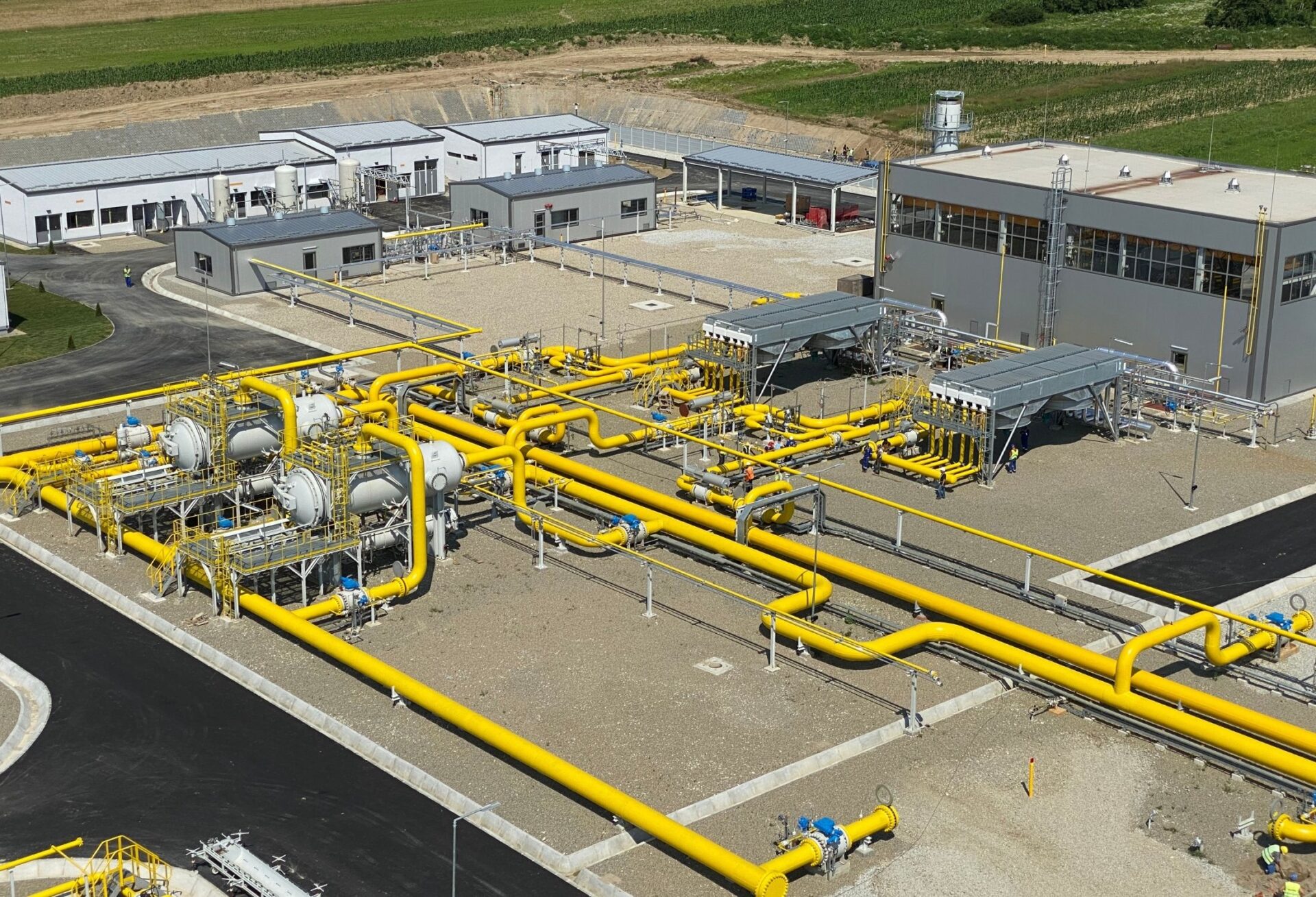
One representative project is the Onești-M Natural Gas Compressor Station, part of Romania’s national gas transmission system. The project contributes to increasing energy security, supplying the North-East region of Romania and enabling gas transport towards the Republic of Moldova. The station is equipped with Solar Turbines CENTAUR units, each with a power of 4.6 MW, allowing bidirectional gas flow.
At the same time, the company’s portfolio includes water and wastewater infrastructure projects, oil sector installations and works executed using advanced technologies such as Horizontal Directional Drilling.
Relevant projects include the main pipelines and compressor stations within the BRUA project (Podișor, Bibești, Jupa), gas distribution systems, regional water and wastewater projects, technological installations for the oil sector, and the Jitaru–Ghercești pipeline.
The company also has extensive experience in HDD works, including crossings of the Olt River, the Danube River and the Prut River. To support such complex projects, INSPET operates its own industrial bases and specialized equipment, enabling the delivery of integrated solutions from concept to commissioning.


INSPET has acted as General Contractor and/or Specialized Contractor in a wide range of complex projects, including:
- The Natural Gas Compressor Stations STC PODIȘOR, STC BIBEȘTI, and STC JUPA were built as part of the BRUA project: “The Development of the Romanian Gas Transmission System along Bulgaria – Romania – Hungary – Austria Route“
- Construction of Natural Gas Transit Pipeline (1st Phase: 0km – 180km) and several sections of NatGas Pipeline in the 2nd Phase of BRUA project: “The Development of the Romanian Gas Transmission System along Bulgaria – Romania – Hungary – Austria Route”
- The execution of the 2 Natural Gas Compression Stations in “Onești” and “Gherăești”, automation and security of the pipeline within the project “SNT Development in North-East Romania for improving the natural gas supply in the area and ensuring transport capacities to the Republic of Moldova”.
- The Jitaru–Ghercești natural gas transmission pipeline is a project of national importance located in the counties of Dolj and Olt. The project is designed to support the expansion of natural gas storage, injection, and withdrawal capacities at the underground gas storage facility in Ghercești. With an approximate length of 90 km, the pipeline will play a key role in modernizing the energy infrastructure and enhancing the security of natural gas supply at both regional and national levels.
- Expansion of water and sewerage networks in Dragomirești, Mănești and Tătărani, Dâmbovița county (rehabilitation 13+km water supply network, extension of sewerage network by 100 km, construction of over 50 wastewater pumping stations).
- Design and execution of drinking water adductions, conventional clean wastewater disposal network from STAP Chişcani and raw water adduction from Captare to STAP Chişcani – UAT Braila, The project is part of the “Regional Development Project for water and wastewater infrastructure in Braila County”.
- Design and execution of smart natural gas distribution infrastructure and connection of households and non-household consumers in the communes of Tomești, Cârța, Dănești, Mădăraș. Expansion and modernization of the existing network in Sândominic commune (with the association of the territorial administrative units of ADI Felcsik-Ciucul de Sus). An integrated project with POIM funding: 85+ km of pipeline, 2 SRMPs and 4000 connections.
- The completion of the project “Development of smart gas distribution systems in Rășinari commune” a record for all communes in Sibiu county in terms of the value of finance for such energy infrastructure work: 28 kilometers of underground natural gas pipeline networks and 1850+ connections.
- Systematization of suction/discharge gas collectors for the Compression Station Butimanu – Bilciurești – Manifold interconnection in the Compression Station Butimanu, A project under the supervision of SNGN ROMGAZ S.A. – DEPOGAZ Ploiești natural gas storage Branch, leading company with about 90% of Romania’s total operational storage capacity. The completion of this operation provides an increase in the Bilciureşti warehouse’s daily extraction and injection capacity.
- Execution of the project “Surface technological installations at the 306 Nadeș well in Mures County” with SNGN ROMGAZ S.A. Mediaş as the beneficiary – a project carried out in response to the necessity for gas exploitation revealed by the geological drilling of the well, by designing the surface technical installation of the well and linking it to a set of wells existing in the region.
- Execution of the project “Surface technological installations at Wells: 1 Herla and 1 Drăceni, in Suceava County”, a project that aims to collect the gases in a group located between the above mentioned wells and to transport them to a gas drying station where the quality conditions imposed by ANRE can be achieved.
- The Danube River undercrossing based on 2 – Dn500 Pipelines’ construction, in the Giurgiu – Ruse area, as part of Romania – Bulgaria Natural Gas Interconnector Systems
- The Prut River undercrossing and the sections of Romania – Moldova Natural Gas Interconnector Systems, construction of the Dn500 Pipeline between Iași – Ungheni
- Isaccea – Negru Voda Natural Gas Dn1200 Transit Pipeline from Rusia via Ukraine to Bulgaria, Turkey and Greece, the pipeline that crosses the entire Dobrogea region from north to south
The future of energy infrastructure in Europe
As Europe moves towards a more sustainable energy system, infrastructure remains a key component. The future of the sector will depend on innovation, adaptability, collaboration and continuous investment in modern technologies.
Energy infrastructure in Europe is a strategic, dynamic and essential sector for economic development. Its evolution depends on experienced companies capable of delivering complex projects. INSPET is part of this ecosystem, contributing to projects that connect regions, support economies and ensure energy security.

Become part of the INSPET community and explore the projects, values and people that define our work and our long-term contribution to energy and critical infrastructure.
Follow us on our official channels: LinkedIn, Facebook, YouTube and on the company website, www.inspet.ro.
