CONTACT US

The Pipelines That Power Europe’s Economy: Where Romania Ranks in Energy Infrastructure

10 July, 2026

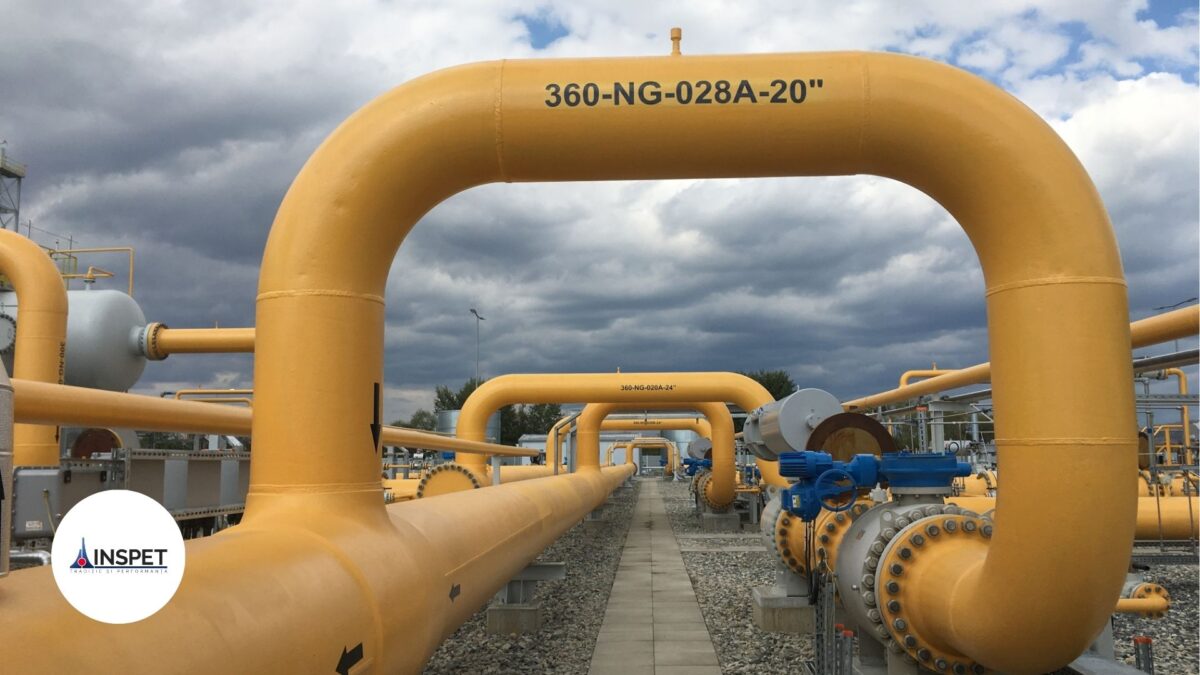
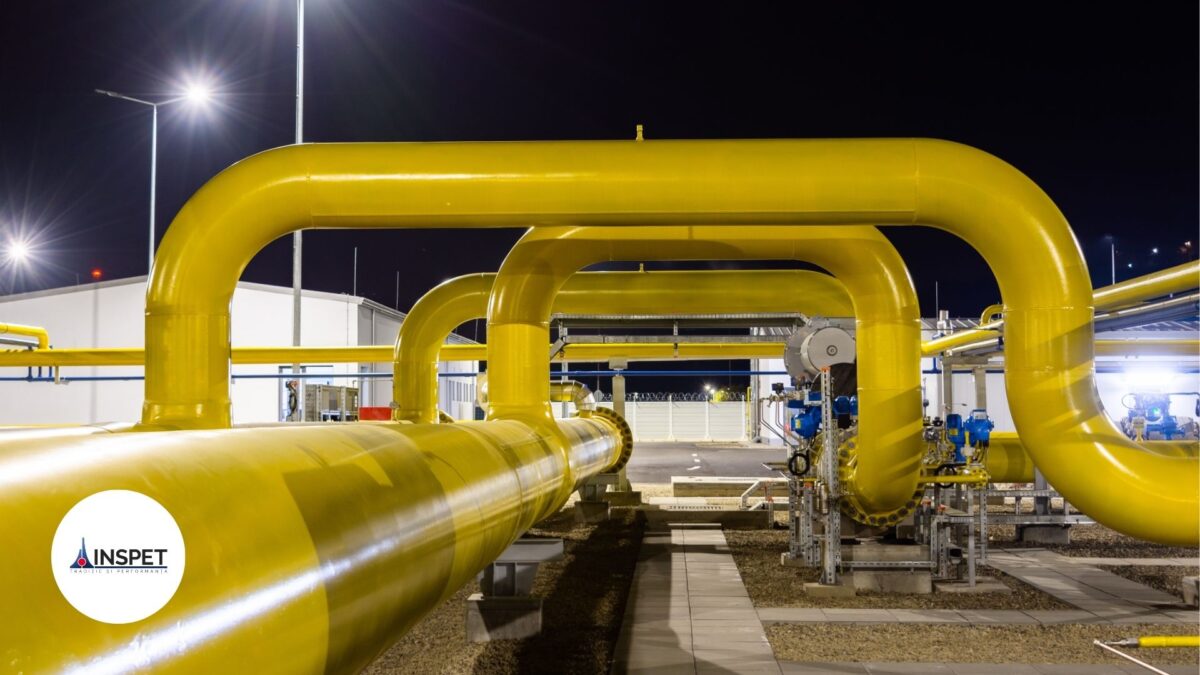
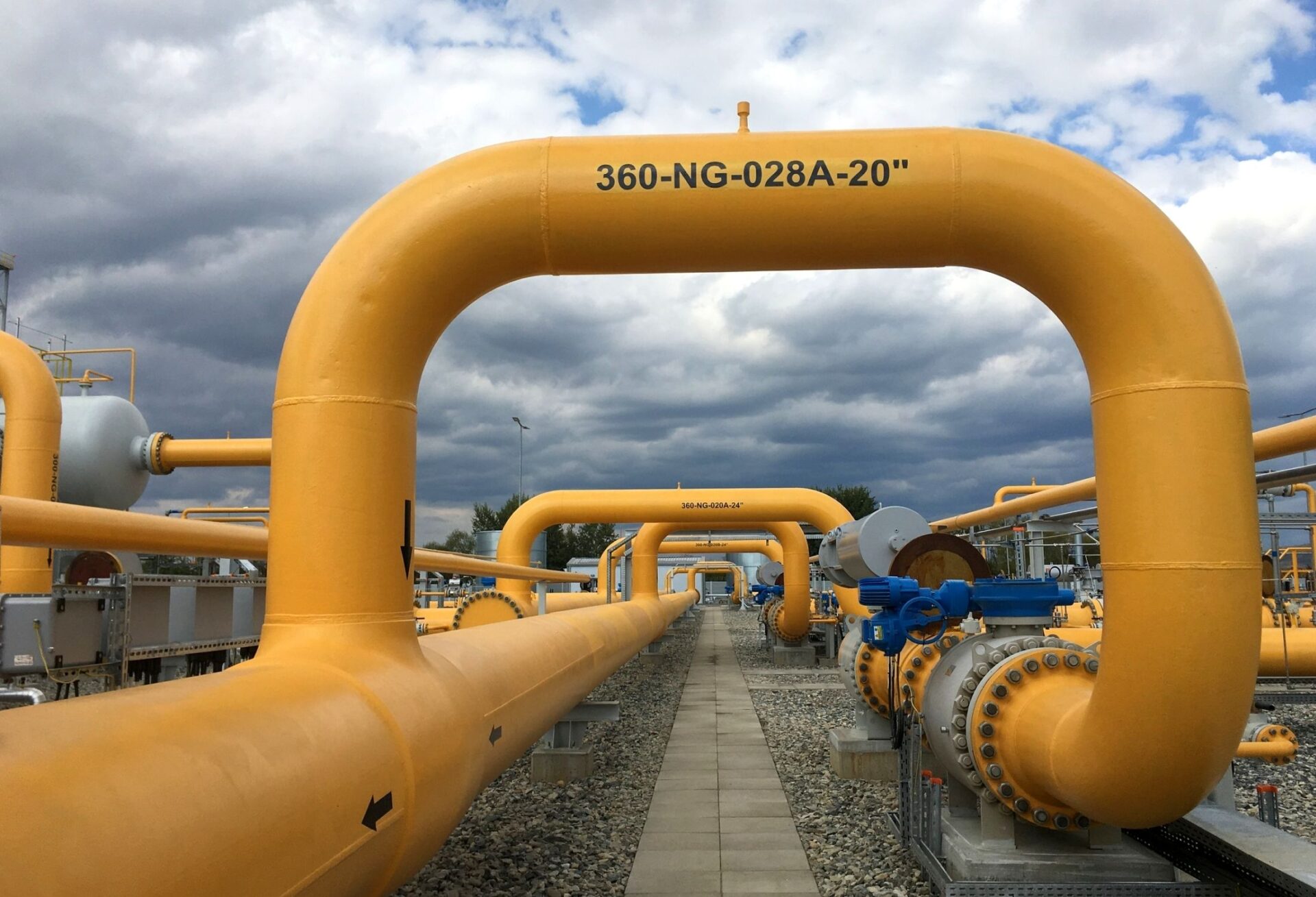
When we think about a country’s infrastructure, we almost instinctively picture highways, railways, or airports. Hidden largely beneath the ground, high-pressure natural gas transmission pipelines form one of the most valuable and extensive infrastructure networks ever built in Europe. Although they rarely attract public attention, they underpin industrial activity, power generation, and the competitiveness of the European economy.

Today, Europe’s natural gas transmission network extends for more than 206,000 kilometers of high-pressure pipelines, connecting dozens of countries and ensuring the flow of energy to industries, power producers, and millions of consumers. It is not merely a technical network – it is one of the continent’s most important strategic infrastructure systems.

This raises an important question: where does Romania stand within this network, and what does its infrastructure reveal about the role it can play in the European economy?


Pipelines do more than transport natural gas, they carry competitiveness

There is a simple principle in economics: investment follows infrastructure. A company planning to build a factory, a power plant, or an industrial facility first evaluates whether reliable energy access is available, whether the network can support its projected demand, and whether the infrastructure provides long-term security.

For this reason, high-pressure transmission pipelines are far more than a means of transporting natural gas. They create the conditions necessary for industrial development, attract investment, and support economic growth. The better connected and more flexible a transmission network is, the more resilient an economy becomes to changes in the energy market.


Europe has one of the world’s most advanced gas transmission networks

According to the European Network of Transmission System Operators for Gas (ENTSOG), the natural gas transmission network across the European Union, Switzerland, and the United Kingdom comprises approximately 206,737 kilometers of high-pressure pipelines. Operated by 46 transmission system operators (TSOs), this network forms the backbone of the European natural gas market.

The continent’s largest transmission systems belong to its major economies: France – 37,700 km, Germany – 34,800 km, Italy – 34,700 km, Romania – 14,000 km, Spain – 13,400 km, Poland – 12,800 km, The Netherlands – 12,800 km. These figures illustrate the scale of Europe’s transmission infrastructure, but they do not tell the whole story.

The size and reach of this network demonstrate that natural gas transmission infrastructure is one of the European Union’s most significant strategic assets.

Romania ranks among europe’s leading countries

Although Romania’s economy is significantly smaller than those of France, Germany, or Italy, its national gas transmission network is among the most extensive in Europe. This reflects both the country’s long-standing natural gas industry and its strategic geographical position.

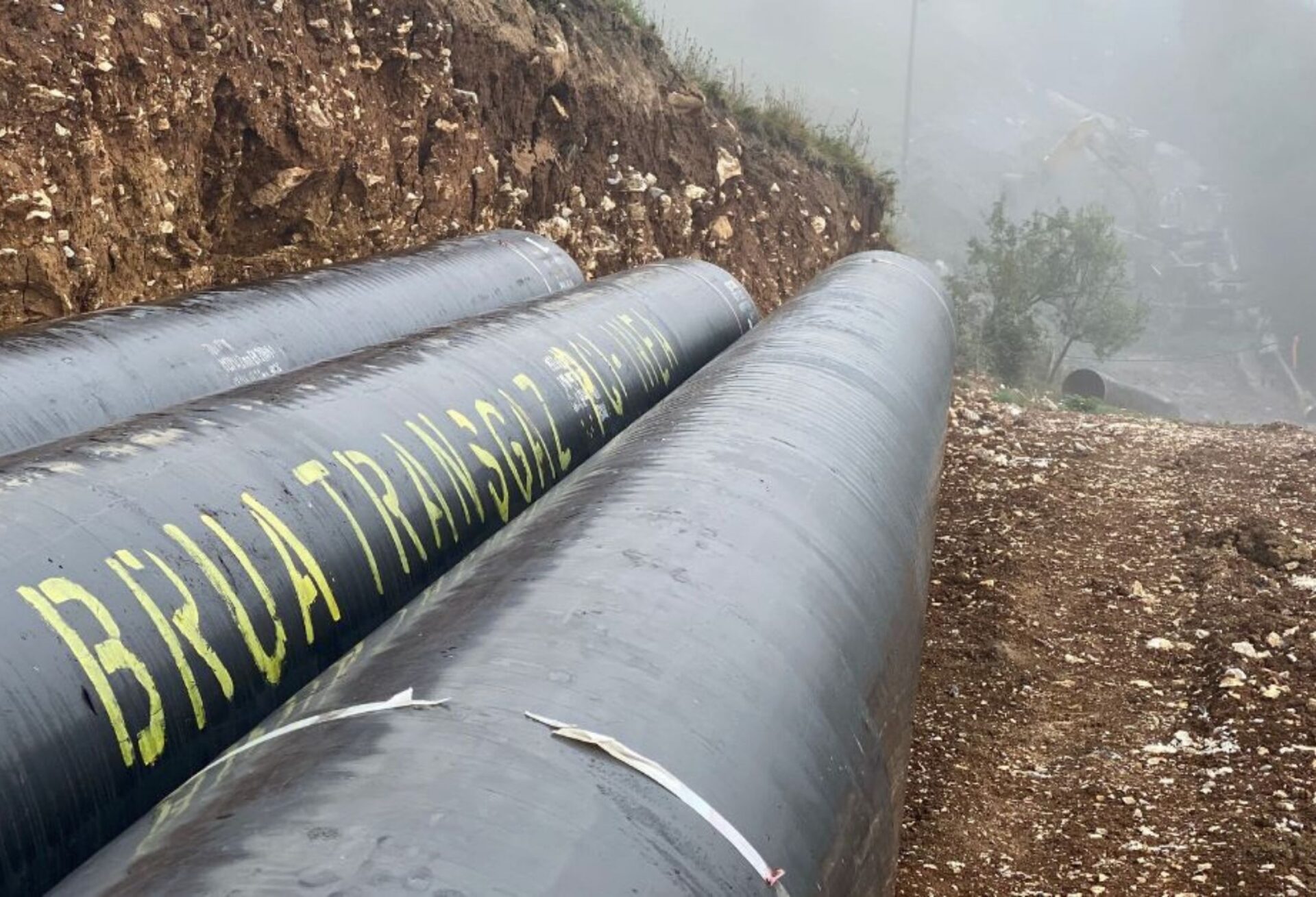
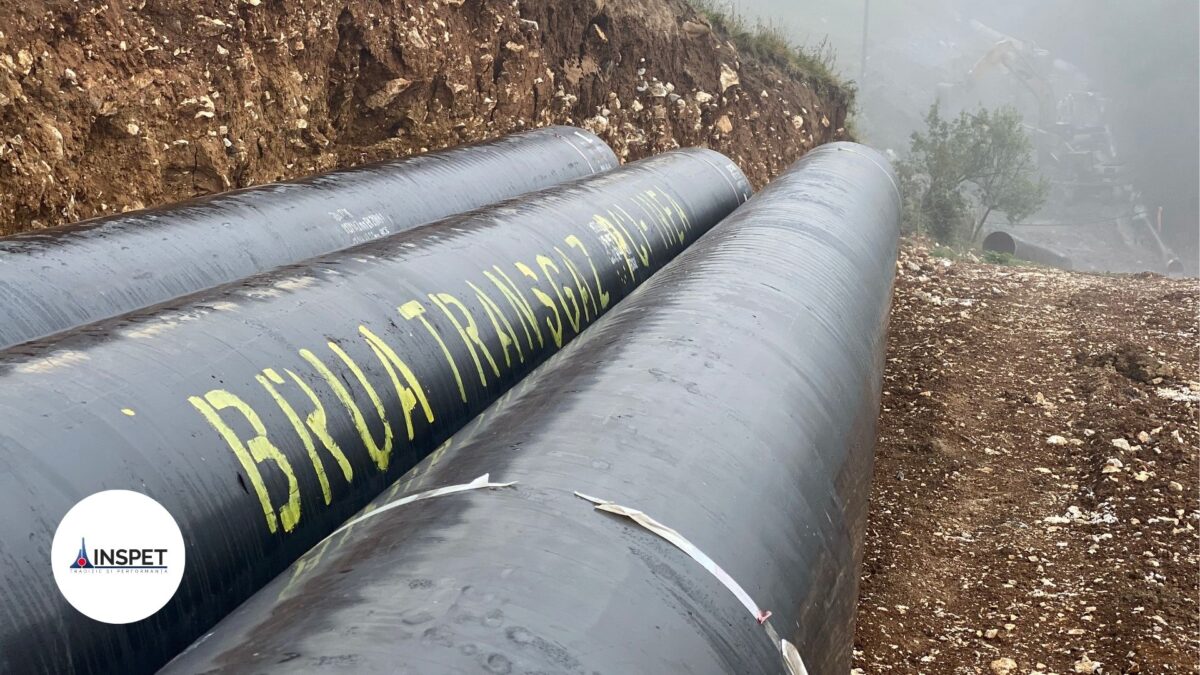
With approximately 14,000 km of high-pressure transmission pipelines, Romania ranks among Europe’s leading countries in terms of natural gas transmission infrastructure. The National Gas Transmission System, operated by TRANSGAZ, spans the entire country, connecting major production areas, underground gas storage facilities, and cross-border interconnection points with neighboring states.

This position is particularly significant because Romania benefits from several strategic advantages simultaneously:

  • domestic natural gas production
  • access to Black Sea gas resources
  • one of the largest underground gas storage capacities in Central and Southeastern Europe
  • regional interconnections through projects such as BRUA, as well as pipeline links with Bulgaria, Hungary, the Republic of Moldova, and Ukraine

Taken together, these assets position Romania not merely as a gas consumer, but as a regional energy hub.

Comparing transmission pipeline networks

A comparison based solely on the total length of transmission pipelines provides only part of the picture. Germany and Italy operate larger networks because they serve much larger economies and significantly higher levels of gas demand.

A more meaningful indicator is the relationship between the size of the transmission network and the country’s territory or economic scale. From this perspective, Romania possesses one of the most developed gas transmission systems in Central and Eastern Europe. The infrastructure built over recent decades supports a broad industrial base while providing the foundation for integrating new energy projects.

This is why today’s major European initiatives are no longer focused solely on building new pipelines. Increasingly, the emphasis is on modernizing existing infrastructure, expanding transmission capacity, digitalizing operations, and preparing networks for the energy systems of the future.

Today’s pipelines must carry tomorrow’s energy

Two decades ago, pipelines were designed exclusively to transport natural gas. Today, the outlook is very different.

A growing share of European investment is directed toward developing Hydrogen Ready infrastructure capable of transporting future blends of natural gas and hydrogen. At the same time, dedicated carbon dioxide (CO₂) transportation networks are emerging to support carbon capture and storage (CCS) projects, while SCADA systems, automation, and artificial intelligence are becoming integral components of modern pipeline operations.

In other words, the pipelines built today must be capable of meeting the energy requirements of the coming decades.

Romania has a unique opportunity to capitalize on its existing infrastructure

In recent years, projects such as BRUA, the development of offshore gas production in the Black Sea, and the expansion of regional interconnections have significantly strengthened Romania’s position on Europe’s energy map.

As the Neptun Deep project enters production, the role of Romania’s transmission infrastructure will become even more critical. Natural gas extracted from the Black Sea will need to be rapidly integrated into the National Gas Transmission System and delivered both to domestic consumers and to European markets.

This evolution is not simply about constructing new pipelines. It also requires the modernization of compressor stations, the development of advanced technological facilities, the digitalization of operational systems, and the expansion of supporting infrastructure.

Behind every kilometer lies engineering

When we talk about a gas transmission pipeline, we often focus only on its length measured in kilometers. In reality, every kilometer built represents the work of hundreds of specialists involved in engineering, procurement, construction, welding, testing, and commissioning.

The EPCC (Engineering, Procurement, Construction & Commissioning) model has become the industry standard for delivering complex energy infrastructure projects because it integrates every stage into a single, coordinated process, reducing risks while optimizing project delivery.

For more than seven decades, INSPET has contributed to the development of energy infrastructure in Romania and across the region, participating in strategic projects such as the BRUA Corridor, the Podișor, Bibești, and Jupa compressor stations, as well as the development of infrastructure for Romania’s National Gas Transmission System and underground gas storage facilities.

The infrastructure you don’t see supports the economy you do

Few people ever notice a transmission pipeline. It does not reshape a city’s skyline or appear on tourist maps. Yet without this transmission network, industrial investment, energy production, and economic development could not operate at the scale they do today.

Ultimately, Romania’s position among Europe’s leading pipeline networks is more than a technical statistic. It reflects the country’s ability to connect its natural resources, industry, and economy to the continent’s major energy corridors.

Today, Romania is in a strong position. It possesses a robust transmission infrastructure, strategic energy projects, and the engineering expertise needed to continue expanding and modernizing its network. In a Europe where critical infrastructure is becoming increasingly important, the true value of a pipeline is measured not only in the kilometers it spans, but in the economic opportunities it makes possible.


Since 1950, INSPET has been delivering EPCC (Engineering, Procurement, Construction & Commissioning) projects for the energy and industrial sectors in Romania and international markets. The company’s expertise covers the entire project lifecycle – from engineering and design to construction, commissioning, modernization, and maintenance – for pipelines, industrial facilities, and critical infrastructure serving the oil and gas, energy, water, and emerging clean energy sectors.

Through continuous investment in people, technology, and innovation, INSPET contributes to the development of safe, reliable, and sustainable infrastructure tailored to the evolving needs of today’s industry. The company is a member of several prestigious national and international business and professional organizations, including Prahova Chamber of Commerce and Industry, Chamber of Commerce and Industry of Romania, American Chamber of Commerce in Romania (AmCham Romania), French Chamber of Commerce, Industry and Agriculture in Romania (CCIFER), Polish-Romanian Bilateral Chamber of Commerce and Industry, Romania-Ukraine Bilateral Chamber of Commerce, PSC – Employers’ Association of Construction Companies, European Clean Hydrogen Alliance, ARACO – Romanian Association of Construction Contractors, Romanian Water Association and other professional organizations.

Become part of the INSPET community and explore the projects, values and people that define our work and our long-term contribution to energy and critical infrastructure.

Follow us on our official channels: LinkedInFacebookYouTube and on the company website, www.inspet.ro.
The Future of Pipeline Infrastructure: Modernization vs. New Construction

10 July, 2026

Behind every refinery, power plant, industrial facility, or export terminal lies an invisible yet essential infrastructure that enables the transportation of energy resources: pipeline networks. From crude oil and natural gas to industrial water and, increasingly, hydrogen, pipelines represent one of the most important investments in a country’s economic development.

Today, the global pipeline network for oil and natural gas exceeds 3 million kilometers. However, the future of this infrastructure is not evolving uniformly across the world. While some regions are investing in modernizing mature pipeline systems, others are building entirely new energy corridors to meet growing demand. This contrast is shaping the future of pipeline infrastructure on a global scale.

Europe – Focusing on Modernization and the Energy Transition

Europe operates one of the world’s most sophisticated pipeline infrastructures. Its natural gas transmission network extends over 220,000 kilometers, complemented by approximately 77,000 kilometers of crude oil pipelines connecting refineries, maritime terminals, and major industrial hubs.

Unlike many other regions, Europe is no longer focused on large-scale expansion. Instead, investment priorities have shifted toward upgrading existing infrastructure. The main areas of investment include:

  • Rehabilitation of aging pipelines built decades ago
  • Digitalization of monitoring and control systems
  • Reducing losses while improving operational safety
  • Adapting existing infrastructure for hydrogen and other low-carbon fuels

These investments are driven by the European Union’s objectives of reducing carbon emissions while strengthening energy security.

United States – The World’s Largest Pipeline Infrastructure

If Europe stands out for technological advancement, the United States leads in terms of sheer scale.

North America operates approximately 970,000 kilometers of transmission pipelines, including more than 460,000 kilometers dedicated to natural gas and around 114,000 kilometers transporting crude oil. The United States alone operates nearly 87,000 kilometers of crude oil pipelines, making it the country with the world’s largest national oil pipeline network. This extensive infrastructure serves:

  • Oil and natural gas fields
  • Refineries
  • LNG export terminals
  • Major industrial and distribution centers

Although investments in renewable energy continue to grow across the United States, the oil and gas sector remains the primary driver of large-scale pipeline infrastructure projects.

Asia – The Fastest-Growing Pipeline Market

Asia is currently experiencing the fastest expansion of pipeline infrastructure worldwide.

Rapid urbanization, industrial growth, and increasing energy demand have driven unprecedented investments in natural gas and petroleum transportation networks. Today, Asia operates:

  • More than 235,000 kilometers of natural gas pipelines
  • Nearly 100,000 kilometers of crude oil pipelines

China, India, and Southeast Asian countries continue to build thousands of kilometers of new pipelines every year to supply expanding industrial zones, extend distribution networks, and strengthen their energy infrastructure.

While Europe primarily focuses on modernization, Asia continues to expand its pipeline networks to meet rapidly growing demand for energy and utilities.

The Middle East – The Backbone of Global Energy Exports

While Europe focuses on modernization and Asia continues expanding its infrastructure, the Middle East remains the world’s strategic hub for energy transportation.

The Gulf countries and the broader Middle East hold some of the largest oil and natural gas reserves on the planet. Their pipeline infrastructure has been designed to support massive energy flows toward international markets.

Iran, Saudi Arabia, Iraq, the United Arab Emirates, Qatar, and Oman collectively operate tens of thousands of kilometers of oil, natural gas, and petroleum product pipelines, with Iran and Saudi Arabia maintaining the region’s largest pipeline networks.

The region is also home to some of the world’s most strategically important pipeline systems, including Saudi Arabia’s East–West Pipeline (Petroline), Egypt’s SUMED Pipeline, and Iran’s Goreh–Jask Pipeline. These projects reduce dependence on the Strait of Hormuz while providing alternative export routes for global energy supplies.

In recent years, investments have focused not only on expanding transportation capacity but also on developing infrastructure for natural gas and hydrogen.

Compared to Europe, where investment priorities center on efficiency and decarbonization, the Middle East continues strengthening the infrastructure that supports one of the world’s most important energy production and export regions.

Africa – The Next Frontier for Pipeline Infrastructure Investment

Although Africa’s pipeline network is less extensive than those of Europe, North America, or Asia, the continent represents one of the world’s most promising markets for energy infrastructure development. Africa holds approximately 7–8% of the world’s proven oil reserves and more than 7% of global natural gas reserves. However, much of these resources remain underutilized due to insufficient pipeline infrastructure.

In recent years, multi-billion-dollar projects have been launched to develop new pipeline systems connecting oil and gas fields with refineries, export terminals, and international markets. Among the most significant projects are:

  • East African Crude Oil Pipeline (Uganda–Tanzania)
  • Nigeria–Morocco Gas Pipeline
  • Trans-Saharan Gas Pipeline, designed to connect Nigeria with Algeria and, ultimately, the European market

Beyond supporting energy exports, many African countries are investing in expanding domestic pipeline networks to supply local industries, increase electricity generation, and improve access to natural gas. For companies specializing in pipeline construction, rehabilitation, and maintenance, Africa represents one of the regions with the greatest growth potential over the coming decades.

Unlike Europe, where the focus is on modernizing existing infrastructure, or North America, where pipeline networks are already highly developed, Africa is laying the foundations for the energy infrastructure that will shape the continent’s economic growth in the decades ahead.

What Do These Numbers Really Tell Us?

Taken individually, the figures are impressive. Their true significance, however, becomes clear when they are viewed together.

Europe is investing in smarter, more sustainable infrastructure. The United States continues to expand and optimize the world’s largest energy transportation network. Asia is developing pipeline infrastructure at an unprecedented pace to support industrial growth and urbanization.

Each region follows a different strategy based on its own economic and energy priorities, yet they all share one common goal: pipeline infrastructure remains one of the world’s most important long-term investments.

Where Does Romania Stand?

Romania holds a unique place in the history of the global oil industry. In 1857, it became the first country in the world to record crude oil production in official international statistics. That same year, Ploiești became home to the world’s first industrial oil refinery, while Bucharest became the first city in the world to introduce public street lighting powered by refined petroleum products. These milestones laid the foundations of an engineering and industrial tradition that continues today.

This heritage is reflected in the expertise of Romanian companies operating in the energy sector. INSPET builds on more than seven decades of experience in the construction, modernization, and rehabilitation of pipelines for crude oil, natural gas, and other fluids. Decades of experience gained through complex infrastructure projects, combined with continuous investment in technology, equipment, and workforce development, enable us to meet the increasingly demanding requirements of pipeline projects both in Romania and internationally.

Our extensive expertise allows us to successfully deliver complex projects ranging from long-distance transmission pipelines and industrial pipeline systems to modernization and rehabilitation works, while complying with the highest standards of quality, safety, and environmental protection.

Compared to 10, 20, or even 35 years ago, technical standards have become significantly more demanding, technologies have advanced considerably, and expectations regarding safety and execution quality continue to rise. That is why investing in people, equipment, and innovative engineering solutions remains essential for delivering reliable, efficient, and sustainable infrastructure projects.

The Road Ahead: Pipeline Infrastructure in the Next Decade

Looking at the global landscape, one thing becomes clear: the future of pipeline infrastructure does not follow a single path. Europe is modernizing and adapting its existing networks to support the energy transition. North America continues to expand the world’s largest pipeline transportation system. Asia is building at an unprecedented pace to sustain industrial growth, while the Middle East is strengthening the infrastructure that supplies global energy markets. At the same time, Africa is investing in the pipeline networks needed to unlock the full potential of its natural resources.

Regardless of the region, the direction is the same: pipeline infrastructure is becoming smarter, safer, and more efficient. Digitalization, real-time monitoring, hydrogen-ready networks, and technologies that reduce environmental impact will define the next decade of the industry.

Behind every kilometer of pipeline built or modernized, the same principles will continue to make the difference: engineering expertise, quality execution, innovation, and compliance with the highest technical and safety standards.

Since 1950, INSPET has been delivering EPCC (Engineering, Procurement, Construction & Commissioning) projects for the energy and industrial sectors in Romania and international markets. The company’s expertise covers the entire project lifecycle – from engineering and design to construction, commissioning, modernization, and maintenance – for pipelines, industrial facilities, and critical infrastructure serving the oil and gas, energy, water, and emerging clean energy sectors.

Through continuous investment in people, technology, and innovation, INSPET contributes to the development of safe, reliable, and sustainable infrastructure tailored to the evolving needs of today’s industry. The company is a member of several prestigious national and international business and professional organizations, including Prahova Chamber of Commerce and Industry, Chamber of Commerce and Industry of Romania, American Chamber of Commerce in Romania (AmCham Romania), French Chamber of Commerce, Industry and Agriculture in Romania (CCIFER), Polish-Romanian Bilateral Chamber of Commerce and Industry, Romania-Ukraine Bilateral Chamber of Commerce, PSC – Employers’ Association of Construction Companies, European Clean Hydrogen Alliance, ARACO – Romanian Association of Construction Contractors, Romanian Water Association and other professional organizations.


Become part of the INSPET community and explore the projects, values and people that define our work and our long-term contribution to energy and critical infrastructure.

Follow us on our official channels: LinkedInFacebookYouTube and on the company website, www.inspet.ro.

Freedom250 in Bucharest: Diplomacy, History, and the Challenges of a New Global Landscape

4 July, 2026

Every anniversary has its own story. Some celebrate the history of a nation, while others reflect the journey of a company or the people who have built something that stands the test of time. These milestones give us the opportunity to look back with gratitude and move forward with confidence.

INSPET’s participation in the Freedom250 event, organized by the U.S. Embassy in Romania to commemorate the 250th anniversary of the United States Declaration of Independence, comes at a time when critical infrastructure, energy security and economic resilience are at the forefront of both the European and Euro-Atlantic agenda.

The world is undergoing one of the most significant transformations of recent decades. Today, energy security is no longer defined solely by access to resources, but also by the ability of nations to transport, store and distribute energy safely, reliably and efficiently. In this evolving landscape, energy infrastructure has become a cornerstone of both national and regional security.

Two Events, One Shared Vision: Dialogue and Cooperation

The Freedom250 celebration began at the U.S. Embassy in Romania, bringing together members of the diplomatic community, government representatives, business leaders and partner organizations. During the reception, U.S. Ambassador to Romania Darryl Nirenberg highlighted the strength of the Romanian-American partnership, emphasizing the importance of economic cooperation and continued dialogue between public institutions and the private sector.

One of the messages that resonated most with participants was: “The legacy left by our Founding Fathers was built to endure, to guide, and to inspire nations dedicated to freedom.”

This message speaks about continuity. It reminds us that the achievements that endure over time are built on shared values, responsibility and the work of generations committed to leaving a lasting legacy. We believe this principle is just as relevant for a nation as it is for any organization striving to build sustainably and remain focused on the future.

On this occasion, INSPET‘s representatives had the honor of signing the event’s Guest Book – a symbolic gesture that will remain a meaningful reminder of our participation in the celebration of an important milestone in the history of the United States.

The celebrations continued at the Diplomatic Club Bucharest, where participants had the opportunity to continue their conversations in a more informal setting. For us, it was a valuable occasion to reconnect with partners, meet new people and exchange perspectives on the future of key sectors such as energy, infrastructure, industry and technology.

This invitation also held a special meaning for INSPET. In the same year that the United States celebrates a defining milestone in its history, INSPET marks 75 years of technical expertise and engineering excellence. While these anniversaries commemorate very different journeys, they share a common message: the achievements that truly stand the test of time are built through consistency, professionalism and trust.

Continuing the Dialogue Through AmCham Romania

INSPET’s participation in Freedom250 naturally reflects our ongoing involvement in the Romanian-American business community. As a member of AmCham Romania, and since 2026 a member of its Defense Task Force, INSPET is actively engaged in a working group that brings together companies and organizations committed to advancing critical infrastructure, energy security and Dual-Use solutions.

For us, this involvement is about much more than membership. It provides a valuable platform for dialogue, knowledge exchange and a deeper understanding of the trends shaping critical infrastructure and the energy sector, both in Romania and internationally.

Romania and the United States: A Growing Economic Partnership

Over the past decades, the relationship between Romania and the United States has continued to strengthen through the Strategic Partnership, expanding trade relations and growing investment. Today, bilateral trade exceeds USD 5 billion annually, while the United States is one of Romania’s largest investors from outside the European Union.

According to data presented by AmCham Romania, U.S. investments in Romania have reached approximately USD 8.9 billion, making the United States the country’s fourth-largest foreign investor overall and the largest from outside the European Union. American companies operating in Romania support more than 120,000 jobs and contribute significantly to the development of key sectors, including energy, industry, information technology, infrastructure, manufacturing, financial services and technology.

Against this backdrop, events such as Freedom250 provide a valuable opportunity for representatives of the diplomatic community and the business sector to come together at a time when Romanian-American cooperation continues to expand – not only economically, but also across strategic areas such as energy, critical infrastructure, defense and emerging technologies.

Critical Infrastructure: The Foundation of Energy Security

The energy crises of recent years have demonstrated that natural resources have value only when they can be transported safely and reliably to where they are needed. Transmission pipelines for energy fluids (oil, natural gas and water), natural gas compressor stations, gas treatment and dehydration facilities, energy terminals and underground natural gas storage facilities are all critical assets that support economic activity and ensure the uninterrupted supply of energy.

At the same time, the European Union is accelerating investments aimed at modernizing energy infrastructure, diversifying energy supply sources and strengthening the resilience of critical systems. The development of infrastructure capable of serving both civilian needs and security-related purposes – commonly referred to as Dual-Use Infrastructure – is expected to become one of the defining priorities for infrastructure investment in the years ahead.

Romania: A Strategic Advantage in the Region

Romania holds a strategic position on Europe’s energy map. The country benefits from significant natural resources, direct access to the Black Sea, regional interconnections and some of the largest underground natural gas storage capacities in Central and Southeastern Europe.

These strategic advantages are further strengthened by major infrastructure projects such as the BRUA gas corridor, the offshore natural gas developments in the Black Sea and the ongoing expansion of Romania’s National Gas Transmission System. Together, these investments enhance not only Romania’s energy security but also the resilience and stability of the wider region.

Within this evolving landscape, infrastructure is no longer viewed simply as a technical asset. It has become a key driver of economic competitiveness, energy system resilience and industrial development, playing an increasingly important role in supporting long-term growth and regional security.

Technical Expertise: A Strategic Asset

Developing critical infrastructure requires engineering excellence, strong execution capabilities and extensive experience gained through the delivery of complex projects. Since its establishment in 1950, INSPET has played a significant role in the development of Romania’s energy infrastructure, contributing to landmark projects ranging from transmission pipelines and natural gas compressor stations to process facilities and infrastructure supporting underground natural gas storage.

The company’s portfolio includes major strategic projects such as the BRUA gas corridor, regional interconnections with Hungary, the Republic of Moldova and Bulgaria, as well as the Podișor, Bibești, Jupa, Onești and Gherăești compressor stations. INSPET has also delivered key infrastructure for underground natural gas storage facilities, including the surface installations serving the Bilciurești underground storage facility, one of the largest in Europe.

Looking Ahead: Building the Next Generation of Energy Infrastructure

The ongoing transformation of the energy sector is creating new opportunities for companies specializing in energy infrastructure. The integration of hydrogen into transmission networks, the development of carbon capture and storage (CCS) projects, the digitalization of energy infrastructure and the expansion of Dual-Use solutions will reshape the way critical infrastructure is designed, built and operated in the years ahead.

In this context, dialogue between public authorities, the diplomatic community and the companies responsible for developing critical infrastructure is becoming just as important as the investments themselves. The solutions to tomorrow’s challenges will be built not only on construction sites, but also through collaboration, knowledge sharing and strong partnerships.

For INSPET, participating in events such as the reception hosted by the U.S. Embassy in Bucharest and the 4th of July Party organized by AmCham Romania reaffirms our commitment to staying connected to the economic, industrial and geopolitical developments shaping the future of energy infrastructure. Just as we build infrastructure that supports economic growth, we believe that international dialogue and cooperation are the foundations upon which the strategic projects of tomorrow will be developed.


INSPET is a Romanian company with over 75 years of technical tradition, positioned as an Energy Infrastructure Integrator (EPCC), specializing in strategic energy projects and in the development of integrated systems for the transport and processing of natural gas, crude oil, and water, including main pipelines, technological installations, and highly complex industrial energy facilities.

Currently, INSPET is affiliated with: Prahova Chamber of Commerce and Industry, Chamber of Commerce and Industry of Romania, American Chamber of Commerce in Romania (AmCham Romania), French Chamber of Commerce, Industry and Agriculture in Romania (CCIFER), Polish-Romanian Bilateral Chamber of Commerce and Industry, Romania-Ukraine Bilateral Chamber of Commerce, PSC – Employers’ Association of Construction Companies, European Clean Hydrogen Alliance, ARACO – Romanian Association of Construction Contractors, Romanian Water Association and other professional organizations.

Become part of the INSPET community and explore the projects, values and people that define our work and our long-term contribution to energy and critical infrastructure.

Follow us on our official channels: LinkedInFacebookYouTube and on the company website, www.inspet.ro.

How Natural Gas Pipelines Drive Economic Growth: What Romania Can Teach Us

2 July, 2026

When discussing a country’s Gross Domestic Product (GDP), our attention naturally turns to industry, investment, consumption, or exports. Far less frequently do we think about infrastructure. Yet, one of the most important drivers of economic development is the infrastructure that enables industries to operate. Highways move goods, railways connect regions, ports facilitate trade, and energy infrastructure makes all these activities possible. Without reliable energy delivered where it is needed, factories cannot operate, industrial facilities cannot produce, and private investment becomes far less attractive.

From this perspective, a natural gas transmission pipeline is far more than a construction project. It is an investment that creates the conditions necessary for economic growth. The value of a pipeline cannot be measured solely by the number of kilometres built or the volume of natural gas it transports. Its true value lies in the investments it enables, the jobs it supports, and the competitiveness it brings to industry.

Infrastructure Does Not Directly Generate GDP, but It Makes GDP Growth Possible

Economics is based on a simple principle: infrastructure does not create value by itself, it creates value through the economic activity it enables. A natural gas pipeline does not manufacture products or provide services, but it allows industries that directly contribute to GDP to operate efficiently.

The same principle applies to highways. A motorway does not produce cars, furniture, or food products, yet without it, logistics costs increase, investment declines, and economic growth slows. The energy sector works in exactly the same way. A modern natural gas transmission network provides supply security, operational flexibility, and reliable access to energy resources – all essential conditions for industrial investment and long-term economic development.

For this reason, economists consider investments in critical infrastructure among the most effective long-term public investments. Their benefits are rarely reflected immediately in economic statistics, but over time they translate into higher investment levels, improved productivity, stronger industrial competitiveness, and sustainable economic growth.


INSPET is a Romanian company with over 75 years of technical tradition, positioned as an Energy Infrastructure Integrator (EPCC), specializing in strategic energy projects and in the development of integrated systems for the transport and processing of natural gas, crude oil, and water, including main pipelines, technological installations, and highly complex industrial energy facilities.

Currently, INSPET is affiliated with: Prahova Chamber of Commerce and Industry, Chamber of Commerce and Industry of Romania, American Chamber of Commerce in Romania (AmCHAM), French Chamber of Commerce, Industry and Agriculture in Romania (CCIFER), Polish-Romanian Bilateral Chamber of Commerce and IndustryRomania-Ukraine Bilateral Chamber of Commerce, PSC – Employers’ Association of Construction Companies, European Clean Hydrogen Alliance, ARACO – Romanian Association of Construction Contractors, Romanian Water Association and other professional organizations.

Become part of the INSPET community and explore the projects, values and people that define our work and our long-term contribution to energy and critical infrastructure.

Follow us on our official channels: LinkedInFacebookYouTube and on the company website, www.inspet.ro.

Natural Gas Storage Capacity: A Strategic Advantage for Resilient Economies

2 July, 2026

When discussing energy, we often think first of resources, natural gas, oil, electricity, renewable energy, or, more recently, hydrogen. The conversation almost always revolves around production, new discoveries, or the technologies that will shape the future of the energy sector. Yet one essential component receives far less attention, even though none of these resources could support a modern economy without it: energy infrastructure.

A country may possess abundant energy resources, but their true value lies in its ability to transport, process, store, and deliver them safely and reliably wherever they are needed. In a world where energy security has become a strategic priority, infrastructure is no longer simply a technical asset – it has become one of the key drivers of economic resilience and competitiveness.

Within this broader energy ecosystem, underground natural gas storage facilities play a unique role. Although largely invisible to the general public, they provide the flexibility, stability, and resilience required to keep energy systems operating efficiently. This is why, across Europe, investment in natural gas storage capacity is increasingly viewed not only as an energy investment, but as an investment in economic security and long-term resilience.

Europe Is Rediscovering the Strategic Value of Natural Gas Storage

The energy crisis of 2022 fundamentally changed the way European countries view natural gas storage infrastructure. The sharp reduction in gas supplies highlighted that energy security cannot rely solely on import contracts or current production. Within just a few months, underground gas storage facilities became one of the most important tools for ensuring market stability and system resilience.

In response, the European Union introduced regulations requiring Member States to reach specific storage filling targets before each heating season, reducing the vulnerability of the European energy system. At the same time, investments in gas storage infrastructure became a central pillar of the EU’s energy security strategy. These measures permanently redefined the role of underground storage facilities, transforming them from commercial assets into essential components of Europe’s critical infrastructure.

Today, the European Union has a combined underground natural gas storage capacity of approximately 110 billion cubic metres (bcm), equivalent to nearly one-third of the EU’s annual natural gas consumption. This infrastructure represents one of Europe’s most important strategic energy reserves and provides the flexibility needed to ensure the efficient functioning of the energy market. According to data published by the European Commission and Gas Infrastructure Europe (GIE), Germany, Italy, France, the Netherlands, and Austria account for the majority of the EU’s storage capacity.

Germany, France, Italy and Austria: European Models of Energy Storage Development

Germany operates the largest natural gas storage infrastructure in Europe, with a total capacity exceeding 24 bcm, distributed across approximately forty underground storage facilities. One of the most well-known is Rehden, among the largest underground gas storage sites in Europe, playing a vital role in balancing the German gas market and supporting regional energy flows.

Italy ranks second within the European Union, with approximately 20 bcm of storage capacity. Facilities operated by Stogit, including Fiume Treste and Sergnano, are integrated into a sophisticated infrastructure network serving both the Italian domestic market and interconnections with Central Europe.

Austria presents a particularly interesting case. Although its domestic gas consumption is considerably lower than that of Germany or Italy, the country operates around 10 bcm of storage capacity and hosts one of Europe’s most important natural gas trading hubs. Haidach, one of Central Europe’s largest underground storage facilities, demonstrates how storage infrastructure can become a strategic national asset, even for a relatively small country.

France also plays a significant role in Europe’s gas storage landscape, operating one of the continent’s largest storage networks through operators such as Storengy and Teréga. Together, these facilities contribute substantially to the resilience of both the French and wider European energy systems.

These examples illustrate that the strategic value of a storage facility is determined not only by its size, but also by its integration into transmission networks, regional connectivity, and its ability to respond rapidly to changing market conditions.

Romania’s Strategic Advantage Deserves Greater Recognition

Compared with Europe’s largest economies, Romania has an underground natural gas storage capacity of approximately 3.4 bcm, placing it among the leading countries in Central and South-Eastern Europe in terms of storage capability.

This advantage is even more significant considering Romania’s domestic natural gas production, direct access to the Black Sea, and a well-developed transmission network operated by TRANSGAZ. As strategic projects such as Neptun Deep, the expansion of the BRUA Corridor, and regional interconnections continue to advance, the importance of Romania’s storage infrastructure will increase even further.

The most representative example is Bilciurești, Romania’s largest underground natural gas storage facility and one of the most significant in South-Eastern Europe. Together with its extensive surface infrastructure, Bilciurești plays a key role in balancing Romania’s National Gas Transmission System and providing the operational flexibility required by an energy market undergoing continuous transformation.

Alongside Bilciurești, the underground storage facilities at Sărmășel, Urziceni, Ghercești, Bălăceanca, as well as those operated by Depomureș, contribute significantly to the stability and reliability of Romania’s energy system. Together, they form a strategic infrastructure network that has been developed, expanded, and modernized over several decades, providing an essential foundation for the country’s long-term energy security and regional energy resilience.

What Remains Invisible Is Often What Matters Most

When discussing underground natural gas storage, we tend to think almost exclusively about the geological formations where natural gas is stored. In reality, these underground reservoirs represent only one part of a much more complex system.

The performance and reliability of an underground storage facility depend on an extensive network of above-ground infrastructure, including injection and withdrawal wells, gathering pipelines, gas separation units, gas dehydration facilities, compressor stations, metering and pressure regulation stations, SCADA systems, automation solutions, electrical power supply systems, and safety and security infrastructure.

From the perspective of a company like INSPET, it is precisely this surface infrastructure that transforms a geological reservoir into a fully operational energy asset. Without process facilities, compression systems, and the associated technological infrastructure, the geological storage capacity of a reservoir cannot be effectively utilized.

In recent years, investments have focused not only on expanding storage capacity but also on modernizing existing facilities, increasing injection and withdrawal rates, digitalizing operations, and integrating advanced monitoring and control technologies.

Today’s Infrastructure Is Building Tomorrow’s Energy System

Perhaps the most significant transformation is that infrastructure originally developed for natural gas is now being re-evaluated in the context of emerging energy technologies.

Across Europe, pilot projects are already exploring the use of underground geological formations for hydrogen storage, while the expertise gained through the development and operation of underground natural gas storage facilities is increasingly being applied to Carbon Capture and Storage (CCS) projects. At the same time, the concept of Dual-Use Infrastructure is gaining momentum, with energy infrastructure being designed to meet not only commercial and industrial needs but also broader resilience and security requirements.

This evolution creates significant opportunities for Romania’s engineering and construction industry. Modernizing existing infrastructure and developing new strategic projects require advanced engineering, process facilities, transmission pipelines, compressor stations, electrical systems, and automation solutions—areas in which experienced Romanian companies can play an increasingly important role.

More Than Energy Infrastructure

Looking ahead, it is becoming increasingly clear that countries will no longer compete solely on the basis of their natural resources. Their competitiveness will increasingly depend on the quality of the infrastructure that enables those resources to be transported, processed, stored, and delivered efficiently and securely.

From this perspective, Romania starts from a position of genuine strength. The country benefits from domestic natural gas production, major offshore developments in the Black Sea, an extensive gas transmission network, and one of the largest underground natural gas storage infrastructures in Central and South-Eastern Europe. If these strategic advantages continue to be supported through sustained investment and the development of engineering expertise, Romania can further strengthen its position as a regional leader in energy infrastructure.

At INSPET, we witness this transformation through every project we deliver. We believe the future of energy will not be defined solely by the resources countries possess, but by the infrastructure that connects them, protects them, and ensures they are available wherever they are needed. In this evolving landscape, underground natural gas storage facilities will undoubtedly remain one of the most valuable—and often least visible—components of Europe’s critical energy infrastructure.

***

This article expands on the topic of energy infrastructure by providing an analysis of market developments and the opportunities Romania has in the context of the ongoing transformation of the European energy sector. The full interview with Mr. Ciprian Păltineanu, CEO of INSPET, is available in Business Catalog:
https://businesscatalog.ro/interviu-ciprian-emanuel-paltineanu-inspet-infrastructura-energetica/


INSPET is a Romanian company with over 75 years of technical tradition, positioned as an Energy Infrastructure Integrator (EPCC), specializing in strategic energy projects and in the development of integrated systems for the transport and processing of natural gas, crude oil, and water, including main pipelines, technological installations, and highly complex industrial energy facilities.

Currently, INSPET is affiliated with: Prahova Chamber of Commerce and Industry, Chamber of Commerce and Industry of Romania, American Chamber of Commerce in Romania (AmCham Romania), French Chamber of Commerce, Industry and Agriculture in Romania (CCIFER), Polish-Romanian Bilateral Chamber of Commerce and Industry, Romania-Ukraine Bilateral Chamber of Commerce, PSC – Employers’ Association of Construction Companies, European Clean Hydrogen Alliance, ARACO – Romanian Association of Construction Contractors, Romanian Water Association and other professional organizations.

Become part of the INSPET community and explore the projects, values and people that define our work and our long-term contribution to energy and critical infrastructure.

Follow us on our official channels: LinkedInFacebookYouTube and on the company website, www.inspet.ro.
How Romania Can Become a Leading Energy Infrastructure Hub in Europe

25 June, 2026

Strategic infrastructure investments, major energy projects, and decades of engineering expertise can position Romania as a key pillar of Europe’s energy security. Just a few years ago, when discussing the energy sector, nearly all attention was focused on resources. How much natural gas do we have? How much oil is left? How much energy can we produce? Today, however, the conversation has fundamentally changed.

Over the past few years, the global energy landscape has changed dramatically. As a result, our understanding of energy infrastructure and energy security has fundamentally evolved. We have come to realize that while natural resources are essential, their true value lies in the ability to transport, process, store, and deliver them safely and reliably wherever they are needed. Behind every heated home, every operating industrial facility, and every city powered by energy stands a complex infrastructure, built over decades and continuously maintained to ensure the reliable flow of energy.

Transmission pipelines, natural gas compressor stations, process facilities, energy terminals, and underground natural gas storage facilities have become part of the critical infrastructure on which modern economies depend. This is why Europe is investing not only in energy production, but also in the networks that transport, process, and protect these strategic resources.

A Europe Redefining Its Priorities

The geopolitical and economic changes of recent years have accelerated investments that, under different circumstances, would likely have taken decades to materialize. Today, the European Union is focused on diversifying energy supply sources, modernizing existing infrastructure, and developing energy systems that are more flexible, resilient, and secure.

At the same time, the perception of energy infrastructure has changed significantly. It is no longer just about pipelines and compressor stations. The focus is shifting toward intelligent, digitalized infrastructure designed to support the technologies of the future. Pipelines being built today must be capable of transporting natural gas and, eventually, hydrogen blends. Compressor stations are increasingly designed with advanced automation, while operational monitoring relies more and more on digital platforms, remote supervision, and artificial intelligence.

The concept of Dual-Use Infrastructure is also becoming increasingly relevant. These are infrastructures designed to serve both civilian and commercial needs while also meeting resilience and security requirements. In a world where critical infrastructure is recognized as a strategic asset, this integrated approach is becoming indispensable.

Energy infrastructure is no longer simply a collection of industrial facilities. It has become one of the key pillars of Europe’s economic competitiveness and energy security.

Romania Has an Opportunity It Should Not Miss

Looking at Europe’s energy map, it is easy to see that Romania occupies a uniquely advantageous position. Few countries combine so many strategic advantages in one place: direct access to the Black Sea, significant natural resources, an extensive natural gas transmission network, regional interconnections, and one of the largest underground natural gas storage capacities in Central and South-Eastern Europe.

These strengths did not emerge overnight. They are the result of decades of investment and the expertise developed by companies that have designed, built, and modernized Romania’s energy infrastructure.

Today, these assets are becoming even more valuable. As Europe seeks secure and diversified energy transport routes, Romania has the potential to become one of the key gateways connecting the energy resources of the Black Sea region with the markets of Central and South-Eastern Europe. Through continued investment in strategic infrastructure, the country is well positioned to play an increasingly important role in Europe’s evolving energy landscape.

Projects Reshaping the Region’s Energy Landscape

Much has been said about the BRUA gas corridor, the development of offshore natural gas projects in the Black Sea, and the expansion of Romania’s National Gas Transmission System. These initiatives are significant not only because of their investment value but also because of their strategic impact on the entire region. The BRUA corridor has strengthened Romania’s connectivity with Central European energy markets, while the Neptun Deep project has the potential to position Romania among the European Union’s leading natural gas producers.

Alongside these landmark developments, continued investment in natural gas compressor stations, the modernization of existing energy infrastructure, and the expansion of energy storage capacities are enhancing the flexibility of Romania’s energy system and strengthening the security of energy supply.

Many of these investments remain largely invisible to the general public. A high-pressure transmission pipeline rarely attracts the same attention as a motorway, and a natural gas compressor station seldom makes headlines. Yet without this critical infrastructure, energy could not be transported safely, efficiently, or reliably.

Why Underground Gas Storage Matters More Than Ever

Whenever energy security is discussed, attention often turns to natural gas storage levels. Far less attention is given to the infrastructure that makes strategic storage possible.

Underground natural gas storage facilities play a fundamental role in balancing energy systems. They allow natural gas to be injected during periods of lower demand and withdrawn whenever consumption increases or unexpected supply disruptions occur. In other words, they provide the flexibility and resilience required to ensure the uninterrupted operation of modern energy systems.

Romania operates one of the largest underground natural gas storage networks in Central and South-Eastern Europe. Continued investment in surface facilities, compressor stations, gas treatment and dehydration systems, and associated infrastructure is therefore not simply an investment in energy assets—it is an investment in the country’s long-term energy security and regional resilience.

Experience as a Competitive Advantage

As investment in energy infrastructure continues to grow, so does the demand for companies capable of delivering fully integrated projects—from engineering and procurement to construction and commissioning.

In today’s energy industry, success is no longer measured solely by the ability to build complex facilities. It increasingly depends on the capability to manage multidisciplinary projects, integrate emerging technologies, and meet ever more demanding technical, environmental, and safety standards.

This is precisely the strength of the EPCC (Engineering, Procurement, Construction & Commissioning) model, which enables projects to be delivered through a fully integrated approach, reducing implementation risks while improving efficiency and execution schedules.

Romanian companies such as INSPET, with more than seven decades of experience delivering EPCC projects, continue to contribute to the development of strategic energy infrastructure through the design and construction of transmission pipelines, natural gas compressor stations, process facilities, and surface infrastructure for underground natural gas storage facilities.

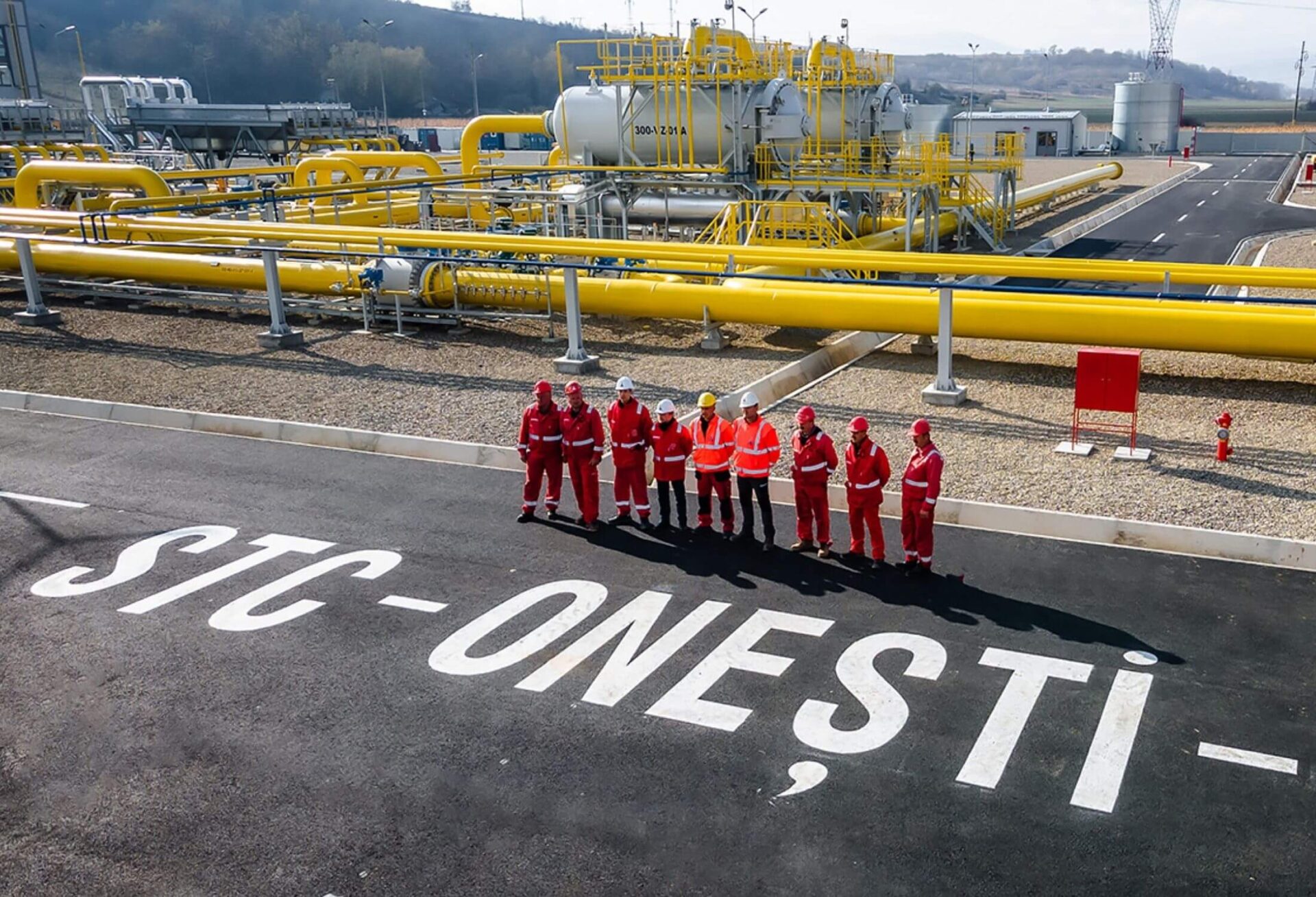
Projects such as the BRUA gas pipeline, the Podișor, Bibești, Jupa, Onești, and Gherăești compressor stations, together with infrastructure developed for Romania’s underground gas storage facilities, demonstrate that engineering expertise built over decades can become a strategic competitive advantage—not only for individual companies, but for Romania’s energy industry as a whole.

Proiecte / Case Study (Bilciurești 🔥) Bilciuresti underground gas storage facility and surface installations Romania

The Future of Energy Infrastructure Is Already Taking Shape

The energy sector is undergoing one of the most significant transformations in its history. Hydrogen, biomethane, Carbon Capture and Storage (CCS), digitalization, and artificial intelligence are no longer concepts reserved for long-term strategies – they are increasingly being integrated into the projects that are being designed and built today.

This transformation requires investment not only in technology, but also in people. The energy transition cannot succeed without highly skilled engineers, specialists capable of working with emerging technologies, and companies able to integrate multidisciplinary expertise into complex infrastructure projects.

For this reason, one of the most important investments of the coming years will be in human capital. The infrastructure of the future will not be built solely with advanced equipment and digital technologies. It will also depend on the people who have the knowledge and experience to design, build, operate, and maintain increasingly sophisticated energy systems.

More Than an Opportunity

Today, Romania has the opportunity to play a far more significant role in Europe’s energy landscape than ever before. The country possesses valuable natural resources, strategic infrastructure projects, a highly advantageous geographic location, and decades of engineering expertise in the development of critical energy infrastructure. Turning this potential into a lasting competitive advantage, however, will depend on sustained investment, stable public policies, and the ability of the industry to educate and develop the next generation of engineers and technical specialists.

Ultimately, becoming a regional energy hub is not determined solely by the resources a country possesses. It depends on the infrastructure that connects those resources, the technologies that optimize their use, and, above all, the people who transform ambitious projects into operational reality.

For Romania, this represents one of the greatest opportunities of the next decade. And for companies such as INSPET, which have helped shape the country’s energy infrastructure for more than seven decades, it is an opportunity to build on that experience and contribute to a new phase of development – one in which Romania is not only an active participant in the European energy market, but also one of the countries helping to shape its future.

Mai mult decât o oportunitate

Romania now has the opportunity to play a more significant role in the European energy sector than ever before. It has natural resources, strategic projects, a favorable geographic location, and decades of experience in developing energy infrastructure. However, turning this potential into a competitive advantage will depend on sustained investment, stable public policies, and the industry’s ability to prepare the next generation of skilled professionals.

Ultimately, an energy hub is not built solely on the resources a country possesses. It is built through infrastructure, technology, and, above all, the people who turn projects into reality. For Romania, this may be one of the greatest opportunities of the next decade. And for the companies that have contributed to the development of the country’s energy infrastructure over the past decades, it is the right time to put their accumulated expertise at the service of a new stage of development – one in which Romania will not only participate in the European energy market but will also help shape its future.

This article expands on the topic of energy infrastructure by providing an analysis of market developments and the opportunities Romania has in the context of the ongoing transformation of the European energy sector. The full interview with Mr. Ciprian Păltineanu, CEO of INSPET, is available in Business Catalog:
https://businesscatalog.ro/interviu-ciprian-emanuel-paltineanu-inspet-infrastructura-energetica/


INSPET is a Romanian company with over 75 years of technical tradition, positioned as an Energy Infrastructure Integrator (EPCC), specializing in strategic energy projects and in the development of integrated systems for the transport and processing of natural gas, crude oil, and water, including main pipelines, technological installations, and highly complex industrial energy facilities.

Currently, INSPET is affiliated with: Prahova Chamber of Commerce and Industry, Chamber of Commerce and Industry of Romania, American Chamber of Commerce in Romania (AmCham Romania), French Chamber of Commerce, Industry and Agriculture in Romania (CCIFER), Polish-Romanian Bilateral Chamber of Commerce and Industry, Romania-Ukraine Bilateral Chamber of Commerce, PSC – Employers’ Association of Construction Companies, European Clean Hydrogen Alliance, ARACO – Romanian Association of Construction Contractors, Romanian Water Association and other professional organizations.

Become part of the INSPET community and explore the projects, values and people that define our work and our long-term contribution to energy and critical infrastructure.

Follow us on our official channels: LinkedInFacebookYouTube and on the company website, www.inspet.ro.

Energy Fluid Infrastructure – A Pillar of Critical Infrastructure and a Driver of European Integration

13 May, 2026

Energy infrastructure has the rare ability to do far more than simply transport resources. It connects communities, regions and economies, creates stable interdependencies between states and contributes directly to energy security and regional stability. In many cases, natural gas transmission pipelines, gas compression stations and energy interconnections function as instruments of economic diplomacy – building bridges of cooperation and supporting European convergence.

Energy Infrastructure and the New Regional Architecture

In Eastern Europe, this reality is becoming increasingly visible. Natural gas infrastructure projects have long surpassed the status of simple technical investments, becoming strategic components of the new regional energy architecture. In this context, the relationship between Romania and the Republic of Moldova represents one of the most relevant examples of how infrastructure can support economic integration and closer alignment with the European market.

Behind these projects, however, are companies capable of transforming strategic vision into functional infrastructure through engineering expertise, execution capability and operational integration. We are INSPET, and we are among the Romanian companies that have directly contributed, over the last seven and a half decades (since 1950), to the development of regional energy infrastructure through transmission pipeline projects, natural gas compression stations, complex technological installations and strategic interconnections.

We are a private Romanian contractor and EPC general contractor specialized in energy fluid infrastructure, with integrated design-procurement-construction expertise for natural gas pipelines, compression stations, underground natural gas storage facilities and related installations. In Romania, we have repeatedly worked on projects directly linked to energy security: transport capacity, redundancy, modernization and safe operation. As consortium leaders, 12 years ago we built the sub-crossing of the gas pipeline beneath the Prut River; 6 years ago we built one third of the BRUA gas pipeline, including the compression stations; and 3 years ago we built the two natural gas compression stations in the Moldova region that transport Romanian gas towards the Republic of Moldova, while another major Romanian contractor built the pipeline connecting the Romanian transmission network to Chișinău.

Natural gas storage infrastructure will become one of the most important strategic themes of the next decade in Central and Eastern Europe. In periods of geopolitical volatility, storage capacity means more than energy reserves – it means economic resilience and the ability to respond in critical situations. From this perspective, Romania has a significant competitive advantage through its existing infrastructure and the potential expansion of storage capacities, which could strengthen the country’s role as a regional energy hub.

Natural Gas as an Instrument of European Integration

In the Republic of Moldova, what matters most from our perspective is the overall system outcome: increased resilience and energy security. Today, there is a functional architecture that allows diversification of gas sources and connection to the European market through interconnections and transport infrastructure, with Vestmoldtransgaz (a TRANSGAZ subsidiary) playing an extended operational role within the transmission network. Here, we explicitly acknowledge the role of the Romanian TSO, SNTGN TRANSGAZ SA: the strategy to expand capacity in North-Eastern Romania (pipelines and compression stations) was not “just another project”, but rather an instrument of economic and security policy.

European integration is not only about legislation and funding; it is also about infrastructure, companies capable of delivery, and institutional capacity to scale what works. Romania and Moldova can achieve this together.

Natural gas as an instrument of economic diplomacy. We say this without embellishment: in our region, gas infrastructure has been – and remains – a lever for stability, negotiation and European connectivity. Behind this vision were people who consistently supported, with institutional perseverance, the idea that Romania can export security through infrastructure.

Regional Reconstruction and the Critical Infrastructure of the Future

Beyond the Republic of Moldova, the entire region is entering a period of accelerated reconstruction, and energy infrastructure will play a central role in this process. Ukraine’s reconstruction will involve not only rebuilding destroyed capacities, but also modernizing infrastructure according to European standards of security, interoperability and resilience. In this context, Romania can become a logistics, industrial and operational hub for regional infrastructure projects, while Romanian companies with experience in EPCC projects and critical infrastructure have the opportunity to contribute engineering expertise and execution capabilities.

The Romania–Moldova economic partnership on the road toward EU integration. The Republic of Moldova has a legitimate interest in attracting strategic multinationals, capital and technology. At the same time, it also has an interest in creating domestic multiplier effects and stronger economic ties with Romania – meaning local supplier chains, skills development, locally paid taxes and growing entrepreneurs. We believe Romania can be a “natural partner”, without seeking exclusivity: Romanian infrastructure contractors (with the possible exception of nuclear energy infrastructure, where there have been no recent projects) have recent experience delivering EPC / general contractor projects and can operate in Moldova both as designers, contractors and integrators across gas, electricity, road, railway and telecommunications infrastructure.

“The Elephant in the Room”. We are in a geopolitical confrontation zone, and the risk is not theoretical. Precisely for this reason, one concrete idea worth testing is a Romania–Moldova framework for Dual-Use technologies, with institutional cooperation (for regulations, ethics, export control and security), but driven by the private sector (rapid prototyping, agile procurement, pilot projects, etc.). Moldova could transform a strategic disadvantage into a tactical advantage: it could become a “solutions laboratory”, as the Baltic states have done, if it clearly establishes the rules of the game and allows the private sector to deliver. (For clarity, we are not referring to any militarization of the economy, but rather to resilience: sensors, critical infrastructure protection, cyber-physical systems, logistics, communications, drones/UGVs for inspections and interventions, standards.)

We conclude with a reality check for the Romanian business environment: “boots on the ground” in Ukraine’s reconstruction, involving massive relocation of Romanian companies into the neighboring country, is probably an overestimated ambition. Romania can be excellent as a logistics hub and provider of products and services, but the local environment and the structure of interests/economic power will strongly filter who can operate directly in Ukraine at scale. In contrast, in the Republic of Moldova, recent public signals regarding reform and changes in the traditional domestic business environment are encouraging, including through direct political and institutional commitment. This makes Moldova, pragmatically speaking, a far more achievable target for Romanian capital and for bilateral projects with rapid impact.

In the coming years, energy infrastructure will mean far more than pipelines and technological stations. It will mean economic security, regional competitiveness, industrial capacity and strategic positioning within a transforming Europe. And in this new stage, companies capable of integrating technical expertise, execution and long-term vision will play an essential role in building the infrastructure of the future.


INSPET is a Romanian company with over 75 years of technical tradition, positioned as an Energy Infrastructure Integrator (EPCC), specializing in strategic energy projects and in the development of integrated systems for the transport and processing of natural gas, crude oil, and water, including main pipelines, technological installations, and highly complex industrial energy facilities.

Currently, INSPET is affiliated with: Prahova Chamber of Commerce and Industry, Chamber of Commerce and Industry of Romania, American Chamber of Commerce in Romania (AmCham Romania), French Chamber of Commerce, Industry and Agriculture in Romania (CCIFER), Polish-Romanian Bilateral Chamber of Commerce and Industry, Romania-Ukraine Bilateral Chamber of Commerce, PSC – Employers’ Association of Construction Companies, European Clean Hydrogen Alliance, ARACO – Romanian Association of Construction Contractors, Romanian Water Association and other professional organizations.

Become part of the INSPET community and explore the projects, values and people that define our work and our long-term contribution to energy and critical infrastructure.

Follow us on our official channels: LinkedInFacebookYouTube and on the company website, www.inspet.ro.


Unde începe viitorul infrastructurii energetice: INSPET la Black Sea Student Summit 2026

7 April, 2026

In a sector where the demand for engineers continues to outpace supply, and oil and gas graduates integrate quickly into the industry, the connection between academia and companies is becoming increasingly important. The Black Sea Student Summit 2026, organized by the Petroleum-Gas University of Ploiești, once again brought together representatives from both academia and industry. INSPET was present at the event, continuing its consistent involvement in a space where dialogue with future engineers truly matters.

At our dedicated stand, conversations developed naturally. Students were keen to understand how energy fluid infrastructure projects actually unfold beyond theory. Their questions focused on practical aspects—execution, site organization, and responsibilities—reflecting a more applied and realistic perspective on the field.


The Petroleum-Gas University of Ploiești remains one of the most important technical education centers in Romania. With over 4,000 students enrolled each year and hundreds of graduates in fields such as oil and gas engineering, hydrocarbon transport and storage, and technological installations, the university plays a direct role in shaping the workforce of the energy sector. Specializations related to oil and gas alone attract several hundred students annually, maintaining a solid foundation for the future of the industry.

Prahova County continues to be one of the most dynamic industrial areas in Romania, with a strong tradition in oil and gas, refining, and industrial construction—an environment in which we operate on a daily basis. There is a constant demand for specialists, whether engineers, designers, or essential field roles such as welders, mechanics, and electricians. At the same time, graduates in these fields tend to integrate quickly into the labor market, especially when they also have practical experience. For us, this context highlights how important a strong connection between academia and industry truly is, and how early exposure to construction sites and real projects makes a meaningful difference in their professional development.

Beyond events, the relationship with the academic environment is built over time, including through internship programs. Each year, students from UPG join the INSPET West Platform, where they have the opportunity to observe firsthand how different stages of energy infrastructure projects are carried out. Direct experience and interaction with the company’s engineers provide them with a realistic perspective on the profession. For many of them, this is their first exposure to a complex energy infrastructure project, where they begin to understand how theory connects with execution.

Welding is, in fact, one of the key processes in the construction of energy fluid transportation infrastructure. Every joint must be executed according to strict safety and quality standards, and understanding these details makes the difference between theory and the reality on site. Direct interaction with such processes helps students better understand the level of responsibility this field requires.

Experienced engineers and foremen play an essential role in this process, passing on not only technical knowledge but also the practical way of working in the field. On site, things are learned differently, and this direct interaction contributes to the development of professionals who understand both the technical aspects and the importance of operational discipline.

Behind every energy infrastructure project are well-prepared teams and processes that require careful coordination. Whether we are talking about transmission pipelines, gas compression stations, gas dehydration installations, or underground gas storage facilities, all of these require an integrated approach. For this reason, experience in projects delivered under the EPCC model—from engineering and procurement to construction and commissioning—is essential and increasingly relevant for students who want to understand how the industry operates at a real scale.

For INSPET, participation in such events is not occasional. It is part of a broader direction—to stay connected to the academic environment and to support the development of future specialists. In a constantly evolving field, investing in people remains one of the most important long-term priorities. We will continue to be present in these contexts, because the future of energy infrastructure is built not only through projects, but also through the relationship with the generations that follow.


INSPET is a Romanian company with over 75 years of technical tradition, positioned as an Energy Infrastructure Integrator (EPCC), specializing in strategic energy projects and in the development of integrated systems for the transport and processing of natural gas, crude oil, and water, including main pipelines, technological installations, and highly complex industrial energy facilities.

Currently, INSPET is affiliated with: Prahova Chamber of Commerce and Industry, Chamber of Commerce and Industry of Romania, American Chamber of Commerce in Romania (AmCHAM), French Chamber of Commerce, Industry and Agriculture in Romania (CCIFER), Polish-Romanian Bilateral Chamber of Commerce and Industry, Romania-Ukraine Bilateral Chamber of Commerce, PSC – Employers’ Association of Construction Companies, European Clean Hydrogen Alliance, ARACO – Romanian Association of Construction Contractors, Romanian Water Association and other professional organizations.

Become part of the INSPET community and explore the projects, values and people that define our work and our long-term contribution to energy and critical infrastructure.

Follow us on our official channels: LinkedInFacebookYouTube and on the company website, www.inspet.ro.


Natural Gas Storage Facilities: Strategic Infrastructure and EPCC Projects for Energy Security

7 April, 2026

Underground natural gas storage plays a strategic role, ensuring supply during periods of high demand—especially in winter—as well as in exceptional situations such as natural disasters or other unforeseen events. In recent years, amid ongoing changes in the energy sector, these systems have become essential for maintaining the balance between supply and demand. They contribute to the stable operation of distribution networks and help protect consumers during critical moments, while also providing governments with an effective tool for rapid intervention.

The development of such capacities requires collaboration with specialized contractors and involves highly complex, integrated projects. Choosing a partner with relevant experience in energy infrastructure is a key factor in the success of these investments. Projects of this nature require a comprehensive approach covering all stages—from engineering and procurement to construction and commissioning (EPCC).

Bilciurești Storage Facility – Critical Infrastructure for Romania’s Energy System

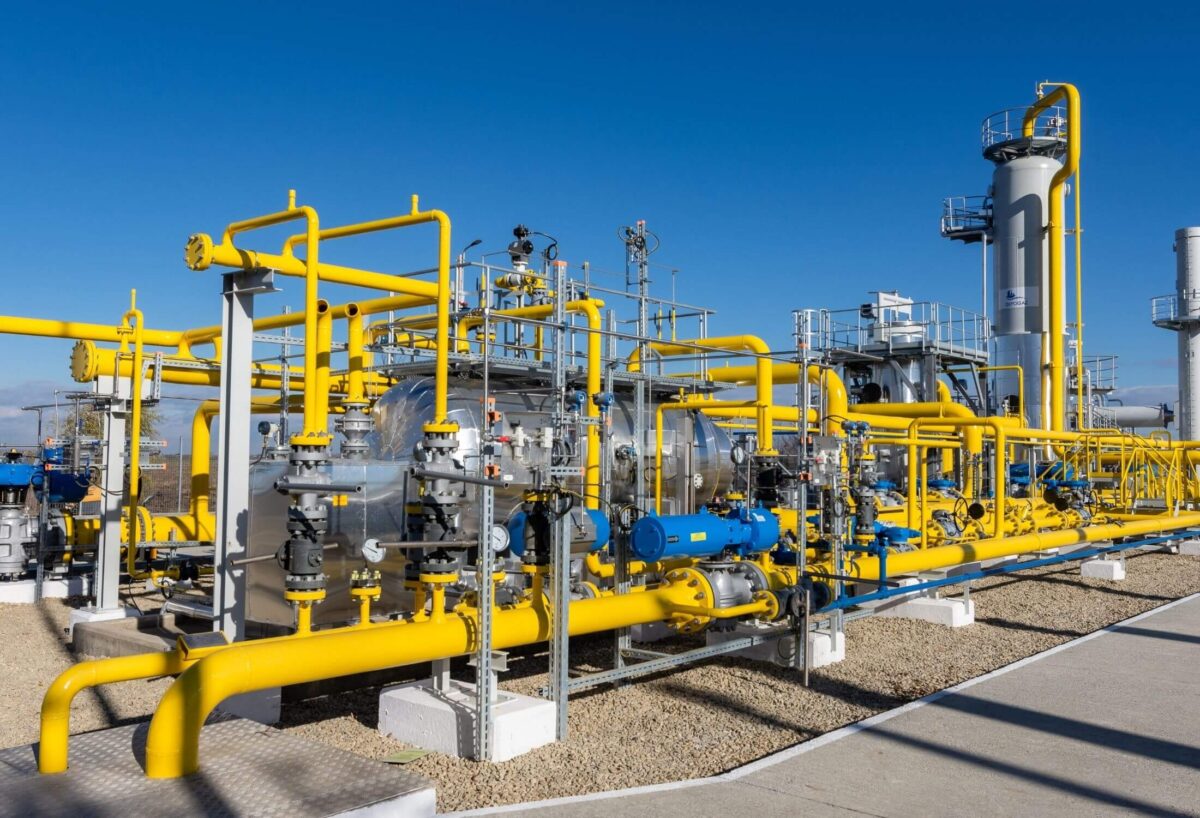
The natural gas dehydration station for Group 145 Bilciurești in Romania is part of an important project for the development of the natural gas storage system, aimed at increasing the daily extraction capacity from 14 million Smc/day to 20 million Smc/day, entitled “Increasing the daily extraction capacity within the Bilciurești Storage Facility”.

This investment responds to the need for operational flexibility and increased response capacity of the national energy system, especially during periods of high consumption, such as the winter months.

The completion of the Gas Drying Station – Group 145 Bilciurești represented an important step for strengthening Romania’s energy security and is part of the surface installations of the largest natural gas storage facility in Romania. It is among the Top 30 largest storage facilities in Europe and can ensure, under winter conditions, 20% of the daily natural gas requirement of the entire country, having an active storage capacity of 1310 million Smc – representing 44% of our country’s storage capacity. The new drying station, having a maximum operating pressure of 45 bar and a daily flow of 5 million Smc, replaces three drying stations, ensuring a reduction in energy consumption and carbon dioxide emissions.

By modernizing the existing infrastructure and integrating high-performance technologies, the project contributes not only to increasing efficiency, but also to alignment with European standards regarding sustainability and environmental protection. The total value of the investment in the Natural Gas Drying Station – Group 145 Bilciurești was EUR 7.6 million and was carried out exclusively through the financial effort of S.N.G.N. ROMGAZ S.A., as part of an ambitious annual investment program worth over 10 million euros.

Projects of this type involve the delivery of integrated solutions, which include compression installations, gas drying stations, measurement and control systems, as well as infrastructure for connection to transport systems. Their efficient implementation depends on the contractor’s ability to coordinate complex processes and comply with strict safety and performance standards.

Through projects such as Bilciurești, INSPET strengthens its position as a general contractor in energy infrastructure, with full capabilities in delivering EPCC projects for natural gas storage facilities and complex technological installations. The experience accumulated enables the company to manage large-scale projects in conditions of safety, efficiency and predictability. This investment reflects the constant commitment to the development of national energy infrastructure and to ensuring a robust system, capable of responding to current and future challenges.

The project is part of the Priority Corridor North-South Gas Interconnections in Central Eastern and South Eastern Europe (“NSI East Gas”) and was included on the 5th List of Projects of Common Interest at European Union level, under the name “6.20.7 – Bilciurești underground gas storage”. The integration into this European initiative underlines the strategic importance of the project not only at national, but also at regional level, contributing to the interconnection and energy security of Europe.

INSPET S.A. supervised the entire activity, prepared and reported the execution schedules of the works and estimated delivery deadlines in real time; it implemented and permanently monitored compliance with occupational safety and health measures, and monitored the progress of the works during the warranty period granted.

Through its involvement, INSPET ensured compliance with the highest standards of quality, safety and efficiency in the execution of the project, contributing to the delivery of reliable and durable infrastructure. The designed and executed works consisted of civil works: masonry constructions and metal structures, foundations for machinery and equipment, arrangement of the station sites (ballasting and compaction), external and internal roads; mechanical works: installation of surface and underground machinery and equipment, installation of technological pipelines, including the related valves; electrical works: installation of equipment and electrical cables; automation works: installation of equipment, measuring and control instruments, cables for data, signal and information transmission, safety and security equipment of the station, etc.

The experience that makes the difference in natural gas storage facility projects

In the field of natural gas storage, practical experience in similar projects is a decisive factor. The ability to manage technical risks, meet deadlines and deliver projects to international standards is essential for beneficiaries – whether we are talking about national operators, developers or investors in the energy sector.

The complexity of these works reflects the high level of technical expertise required for the implementation of such projects, as well as the capacity to coordinate multidisciplinary engineering processes. The execution of the works required the mobilization of a workforce with very different specializations: from masons and reinforced concrete workers, to welders and mechanics, electricians, automation specialists and software programmers – all highly qualified, in order to meet the Beneficiary’s contractual requirements regarding the quality of the works. This diversity of skills highlights the complexity of the project and the importance of collaboration among specialists for the realization of modern, safe and efficient energy infrastructure.

The experience accumulated in complex energy infrastructure projects recommends INSPET as a reliable partner for the development and modernization of natural gas storage facilities.


INSPET is a Romanian company with over 75 years of technical tradition, positioned as an Energy Infrastructure Integrator (EPCC), specializing in strategic energy projects and in the development of integrated systems for the transport and processing of natural gas, crude oil, and water, including main pipelines, technological installations, and highly complex industrial energy facilities.


Become part of the INSPET community and explore the projects, values and people that define our work and our long-term contribution to energy and critical infrastructure.

Follow us on our official channels: LinkedInFacebookYouTube and on the company website, www.inspet.ro.
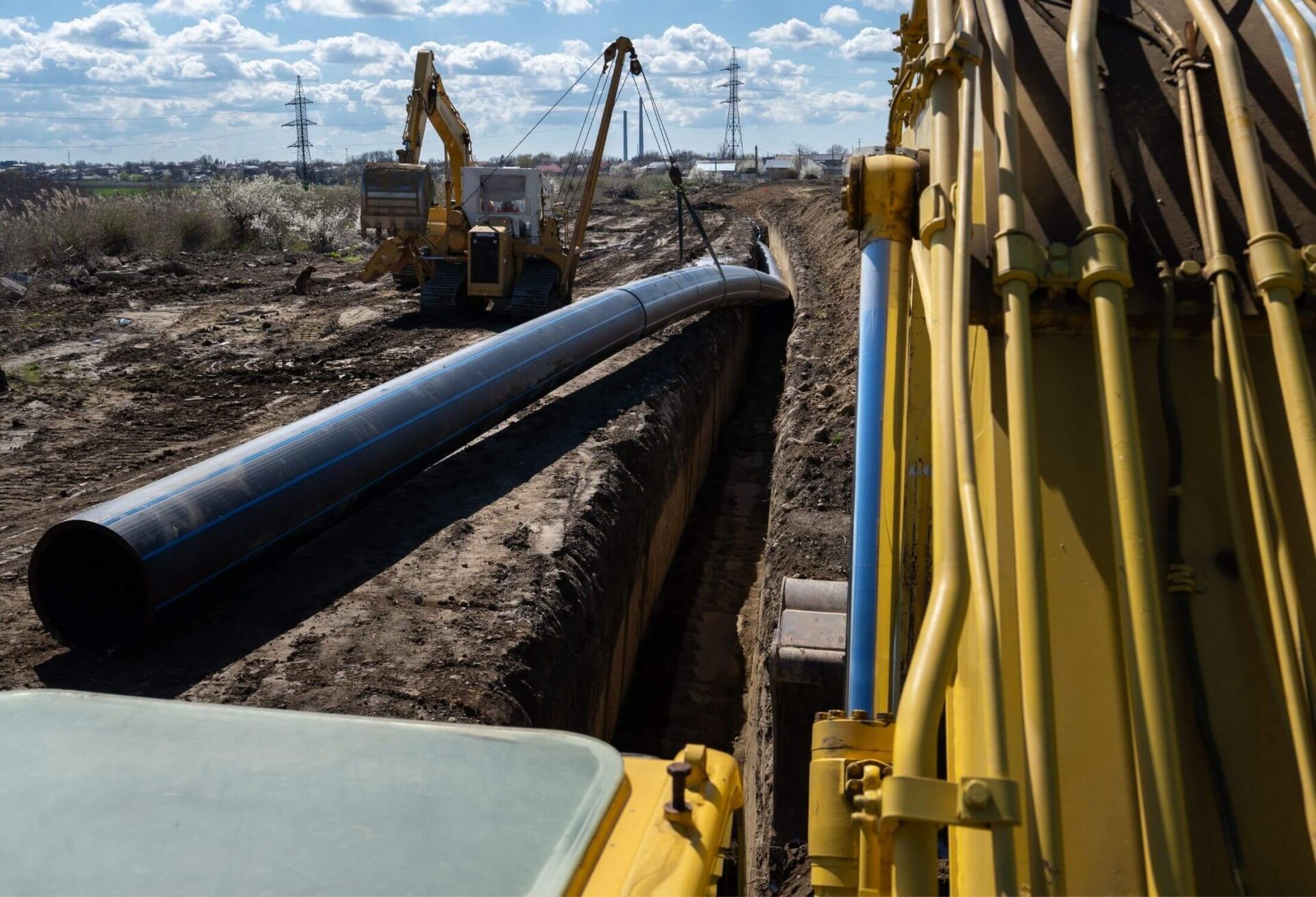
Underground Gas Storage Facilities: The Key to Energy Stability in Europe

6 April, 2026

A complex, essential—yet often invisible—infrastructure underpins the stable operation of the energy system: underground gas storage facilities. These are vital for balancing demand during peak periods and for safeguarding energy supply

In recent years, underground gas storage systems (UGS) have become a central pillar of Europe’s energy security. Storage capacity influences both the management of seasonal demand fluctuations and the resilience of countries in the face of geopolitical crises or supply disruptions.

At the European level, countries such as Germany, Italy, and France have extensive storage capacities, while Romania is undergoing a rapid development process, aiming to significantly increase its capacity and strengthen its role as a regional energy hub. In this context, expanding storage infrastructure is no longer just a technical investment, but a strategic direction.

  • Germany holds one of the largest capacities in Europe (~24–25 billion m³)
  • Italy exceeds 17 billion m³
  • France ~13 billion m³
  • Romania has a capacity of approximately 3 billion m³, with expansion plans

In certain countries such as Austria or Latvia, storage capacity can exceed annual consumption, giving them a major strategic advantage in the region. In this context, the development of UGS infrastructure is no longer merely a technical investment, but a geopolitical and economic priority.

What does the construction of a gas storage facility involve

The construction of an underground gas storage facility is an extremely complex process, involving:

  • underground infrastructure (caverns, depleted reservoirs, or salt formations)
  • surface installations for gas compression and treatment
  • dehydration and regulation stations
  • measurement and control systems
  • connection networks to the national transmission system

These facilities must comply with strict safety and performance standards, as they operate under high pressure and in critical conditions.

Bilciurești – a benchmark of energy infrastructure in Romania

A relevant example of INSPET’s expertise in gas storage is the project carried out at Bilciurești, the largest gas storage facility in Romania and one of the most significant in Europe, ranked among the Top 30. With an active capacity of approximately 1,310 million standard cubic meters and a maximum operating pressure of 45 bar, it plays a crucial role in supplying the national energy system, being able to cover up to 20% of the country’s daily natural gas demand during winter and approximately 44% of the total storage volume.

Within this strategic objective, INSPET executed the Natural Gas Dehydration Station – Group 145 for ROMGAZ – DEPOGAZ, an EPCC project in which the company acted as general contractor, covering all stages—from equipment procurement to execution, testing, and commissioning. The main objective of the project was to increase storage capacity and, implicitly, gas withdrawal capacity.

The company’s experience is not limited to this project. INSPET has consistently delivered natural gas dehydration installations and modernization works in locations such as Ghercești, Finta, Bălăceanca, Caragele, and Fierbinți, actively contributing since 2005 to the development of Romania’s storage infrastructure. At the same time, the company has executed complex installations for underground gas storage and compression units for depleted gas fields, supporting efficient resource utilization and the expansion of storage capacities.

“Gas storage facilities are not just strategic reserves, but active mechanisms that support the balance of the entire energy system.”

Instalație tehnologică pentru uscare gaze naturale în proiecte de infrastructură critică / Technological installation for natural gas drying in critical infrastructure projects Inginerie infrastructură critică și energetică la standarde europene / Critical and energy infrastructure engineering at European standards

Stația de Uscare Gaze Naturale, Grup 145 Bilciurești | Antreprenor general: INSPET SA | Beneficiar: DEPOGAZ Ploiești SRL

Natural gas dehydration station – technology and performance

Within a dehydration station, natural gas passes through a TEG (triethylene glycol) absorption column, a process that removes moisture and ensures compliance with quality requirements for transport and consumption. The technical parameters are highly stringent: water dew point of maximum -15°C, hydrocarbon dew point of maximum 0°C, and a maximum gas temperature of +50°C.

Through these processes, the delivered gas meets regulatory standards and is safe for use, contributing to the efficient operation of the entire energy system. The completion of this installation had a major impact, tripling the facility’s capacity and increasing daily withdrawal capacity by over 5 million standard cubic meters.

Performance is not measured only in capacity, but in how well an installation meets the real needs of the energy system. Gas storage facilities involve far more than underground infrastructure. The essential component is represented by surface technological installations, which enable gas compression, treatment, impurity removal, and control of injection and withdrawal flows. INSPET has extensive experience in delivering such complex installations, including gas compression units, dehydration stations, desulfurization installations, and integrated technological systems for energy infrastructure.”

Butimanu – infrastructure modernization for increased storage capacity

Alongside the development of the Bilciurești facility, the works carried out by INSPET at the Butimanu gas compression station directly contribute to increasing storage capacity and improving overall system efficiency. Projects here include the systematization and rehabilitation of suction and discharge manifolds, modernization of existing installations, and mechanical, electrical, and automation interconnection between system components.

“Behind every critical infrastructure project stand people, coordination, and a real responsibility for the functioning of the energy system.”

The complexity of gas storage infrastructure

As mentioned earlier, for natural gas to be delivered into the National Transmission System and reach end consumers, it must meet strict quality requirements. In this regard, gas dehydration stations play an essential role, ensuring moisture removal and maintaining optimal operating parameters for the entire system.

“In energy infrastructure, gas quality is not a technical detail, but an essential condition for the safety and operation of the entire system.”

Gas storage facilities are highly complex systems that include not only underground components but also a wide range of surface technological installations: compression stations, dehydration units, measurement and control systems, and pipeline networks. Integrating these systems requires advanced engineering expertise, rigorous planning, and strict adherence to safety and quality standards.

“In energy infrastructure, every detail matters, and safety and predictability are not optional—they are mandatory.”

INSPET – strong expertise in gas storage infrastructure

With origins dating back to 1950, INSPET brings over 75 years of proven expertise in energy infrastructure, reflected in more than 350 complex projects and over 4,000 km of pipelines executed. The company focuses on strategic energy and critical infrastructure projects, partnering with leading operators in the gas and oil industries.

Its portfolio covers the full spectrum of energy infrastructure: transmission pipelines, compression stations, dehydration units, processing installations, and gas storage infrastructure.

This experience is complemented by the ability to deliver integrated EPCC projects (engineering, procurement, construction & commissioning), ensuring efficient management of complex works and compliance with international technical standards.

Why experience in UGS projects matters

In energy infrastructure, practical experience is essential. Gas storage projects involve:

  • high technical risks
  • strict safety requirements
  • integration of multiple technological systems

A contractor must demonstrate:

  • a relevant portfolio
  • EPCC capabilities
  • operational discipline
  • execution predictability

INSPET meets these requirements through over 75 years of experience, strong engineering expertise, and an organizational culture focused on quality and safety in gas transmission systems.

Its portfolio includes projects delivered for strategic companies such as Transgaz, Romgaz, OMV Petrom, Engie, and Delgaz Grid, confirming its ability to deliver high-standard projects safely and predictably.

Through this experience, INSPET is a relevant partner for international energy infrastructure projects, cross-border partnerships, reconstruction of critical infrastructure, and major investments in the energy sector.


INSPET is a Romanian company with over 75 years of technical tradition, positioned as an Energy Infrastructure Integrator (EPCC), specializing in strategic energy projects and in the development of integrated systems for the transport and processing of natural gas, crude oil, and water, including main pipelines, technological installations, and highly complex industrial energy facilities.


Become part of the INSPET community and explore the projects, values and people that define our work and our long-term contribution to energy and critical infrastructure.

Follow us on our official channels: LinkedInFacebookYouTube and on the company website, www.inspet.ro.